Category: Uncategorized

  • The Best Tips for Growing Grass in the Fall

    The Best Tips for Growing Grass in the Fall

    Despite the dryness and contrary to what you might think, fall is one of the best times to grow grass. Surprising, isn’t it? If you get it right, you can grow various plants and have your lawn looking just as great in the fall as it does in the summer. For a fresh, green lawn in the fall, adhere to the following tips:
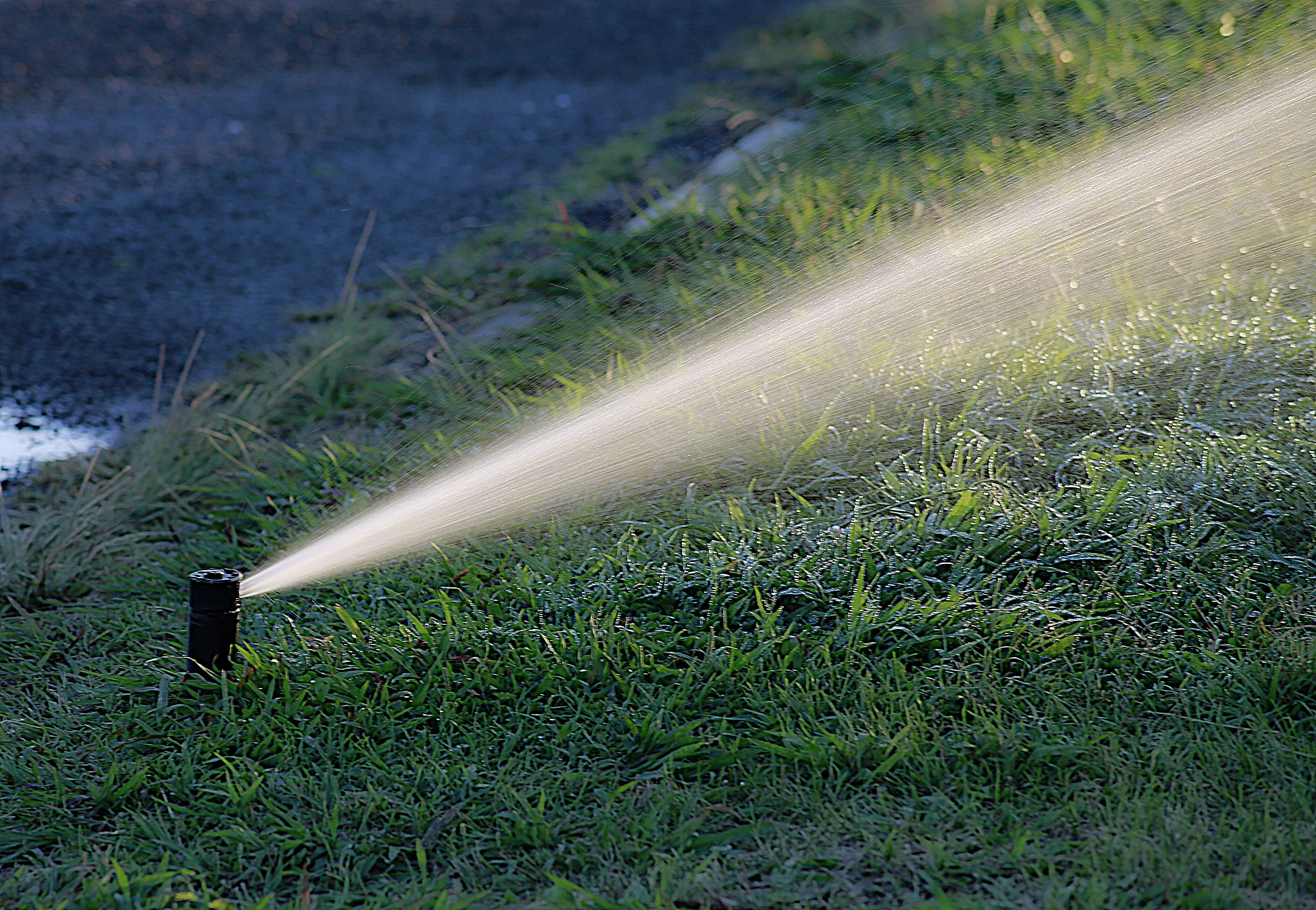
    Pop-up sprinkler watering a lawn

    Prepare the space

    To begin with, you should eliminate any wood, stones, or debris from the planting space. A rake would be helpful to clear the patch of land. Afterward, you should make neat rows in the soil with a spade. If the ground is particularly hard, as it is wont to be in the fall, till the soil to break up the lumps.

    Subsequently, you should apply a layer of seeding soil, smoothing it out with a rake. Ensure that the soil layer is at least 3 inches thick to enable the seedlings to grow properly.

    You can also top up the seeding soil layer with some fertilizer for better results.

    Plant and cover the seeds adequately

    If you have a small lawn, you can spread the seeds evenly across the space. For larger areas, a hand-held spreader is ideal. Ensure to space out the seedlings to avoid having them compete for space and nutrients. Covering the seedlings involves dragging the soil bed such that they are covered in about one-fourth of an inch of soil. This is an essential tip to grow grass successfully in the fall. Start fertilizer and mulch are also ideal for keeping the seeds moist between waterings.
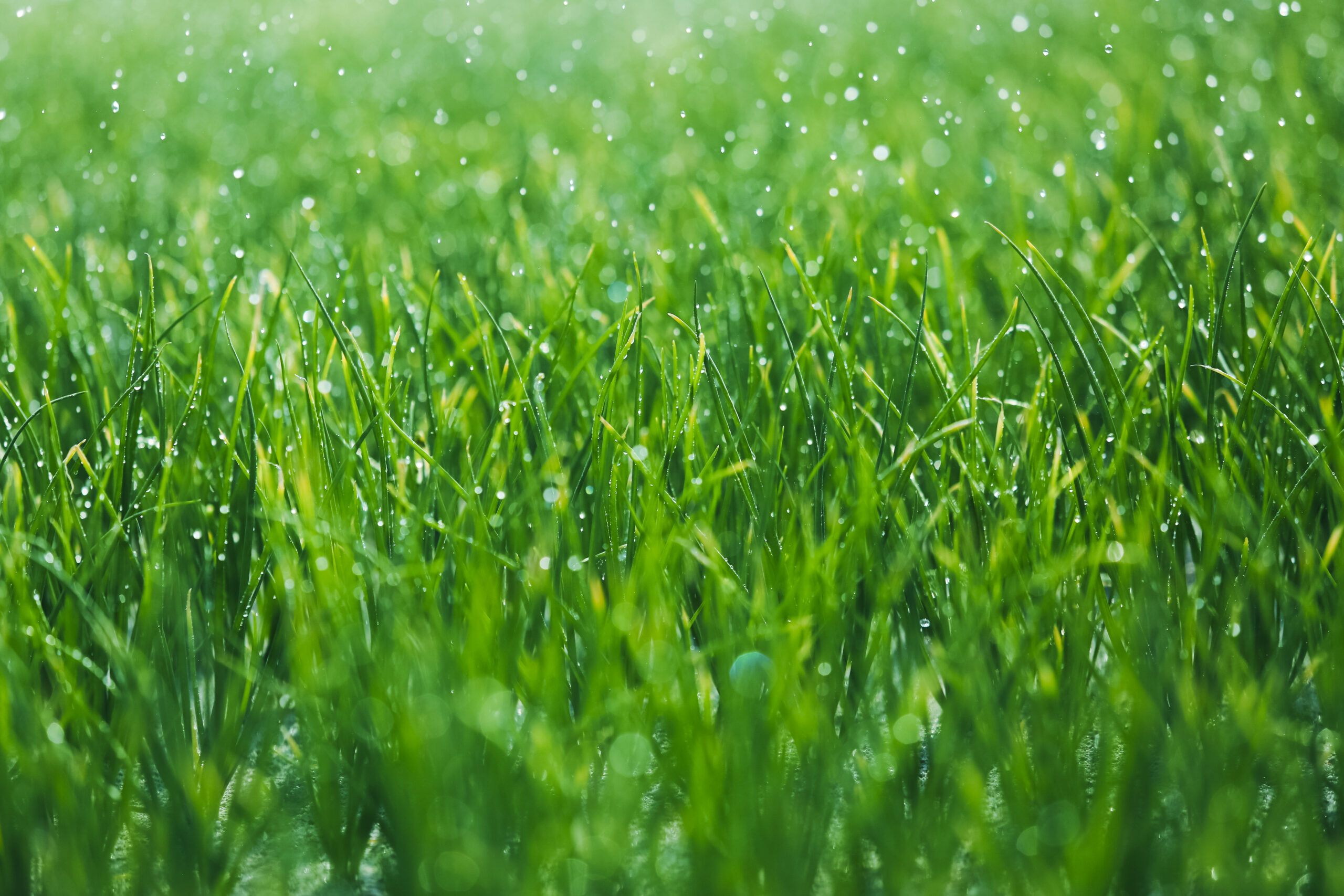
    Close-up of tall green grass

    Go deep

    It’s not enough to simply scatter the seeds on the surface and expect them to germinate. That way, they’re exposed to birds and critters that can come along and gobble them up.

    It’s important for your seeds to get as much soil as possible, so don’t be afraid to get them deep.

    Limit foot traffic

    The turf is generally resilient even when the germinated seeds are only just showing a bit of green. So, it can handle a few footprints now and then without much hassle.

    However, trampling the turf after planting your seedlings in the fall is a quick way to kill and ruin the grass. If your kids or pets have to play around, limit their movements by restricting access to the young turf. Be a bit patient, as it’ll grow out quicker than you think. Then, your kids can run all over it for as long as they like.

    Don’t neglect regular watering

    A quick way to ruin your grass-cultivation efforts in the fall is to neglect to water the turf.

    Ensure that the grass seed bed is kept moist to boost germination and keep the roots moist. Water frequently and lightly, a minimum of once per day, and keep up this activity until the grass has grown to a height of two inches.

    Atlanta Professional Landscaping logo

    These tips are necessary to grow grass and keep the turf in prime condition throughout the fall. So, don’t let anyone talk you out of growing grass now. If you need professional help, Atlanta Landscaping can get the job done. Request a quote now to get started.

    If you want a professional crew to handle this in Metro Atlanta (north of I-20), see our lawn and landscape maintenance services.
  • Maintenance Free Landscaping Ideas

    Maintenance Free Landscaping Ideas

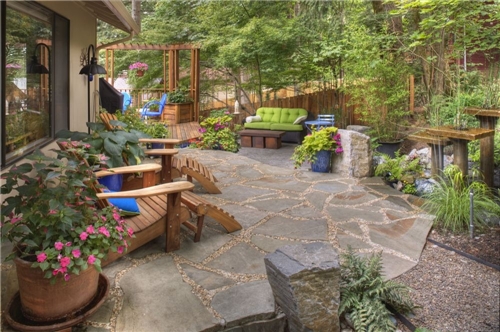
    Flagstone patio with garden seating and potted flowers

    Invest in artificial grass

    Unlike natural grass, artificial grass does not require maintenance to retain its beautiful green appearance all year long! You will be able to save water and resources.

    The best part about using artificial grass is how much it looks like natural grass. Artificial grass comes in different color shades and heights, so most people will not be able to tell the difference.

    Say goodbye to spending hours tending to your garden and use that time to enjoy it.

    Try container gardening

    Growing plants in containers have many advantages, one of which is the convenience and reduced frequency of plant maintenance.

    With container gardening, you can select the soil type for each plant. The soil you use will significantly impact your plants’ development, and it’s up to you to make that decision.

    There is also the added benefit of regulating the amount of moisture and sunshine the containers receive. Containers also have a lower risk of being infested by pests and illnesses.

    Therefore, you may spend less time fixing plant issues.

    You can also avoid the hassle of throwing out or replacing plants.

    Use weed barriers if you have natural grass

    If you have natural grass in your yard, you probably have to spend a lot of time weeding. An excellent way to avoid this stress is to use weed barriers.

    If you lay down weed barriers in your landscaping beds initially, you won’t have to spend as much effort fighting weeds later on.

    When choosing a weed barrier, ensure you opt for one that is permeable, as your plants need water to survive and flourish.

    Consider xeriscaping

    Xeriscaping, a type of gardening in which you select plants requiring minimum extra irrigation, might help you avoid this problem.

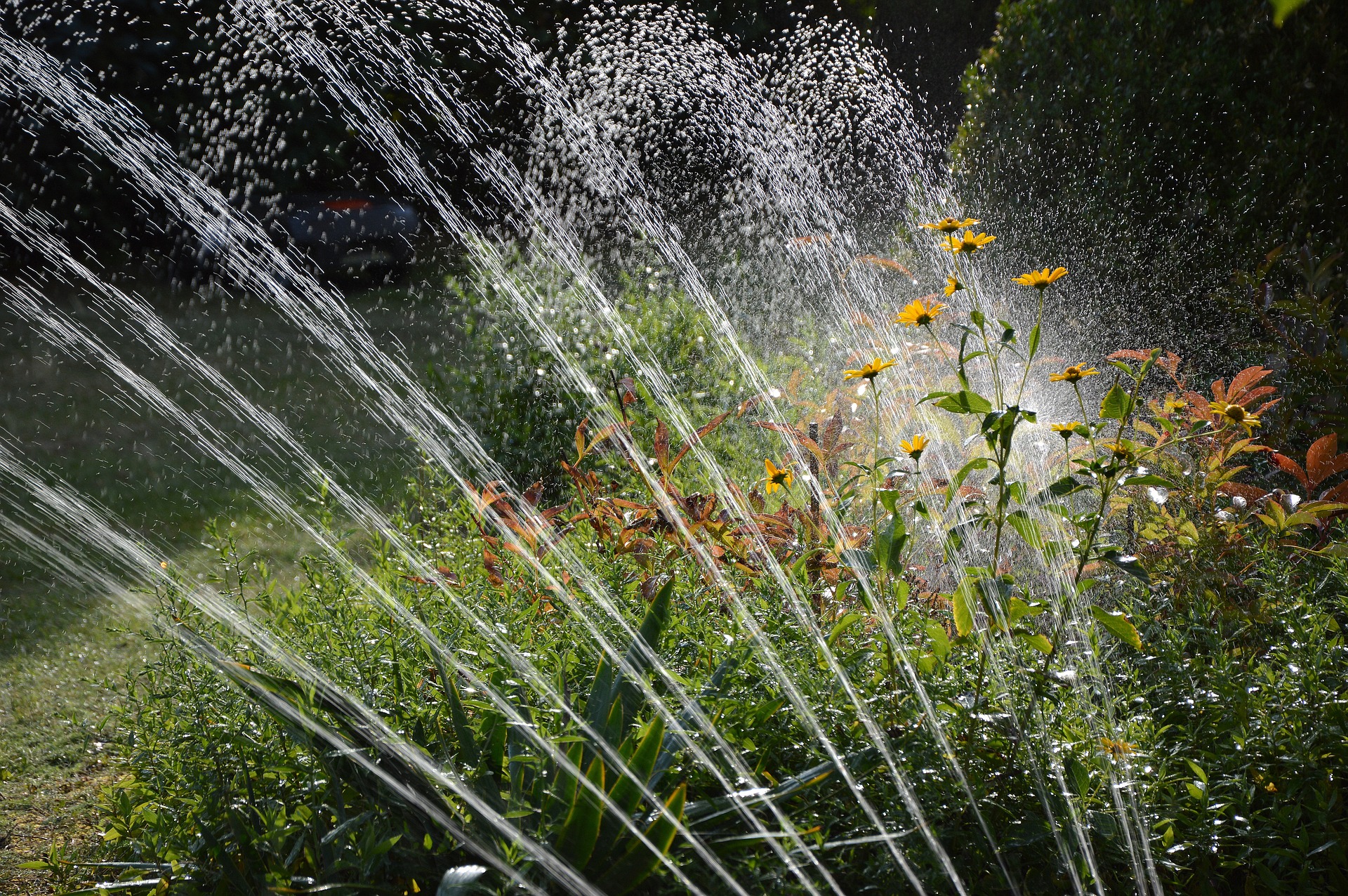
    Sprinkler watering a flower bed

    Invest in automatic irrigation

    Are you tired of spending your mornings dragging a hose around your garden to water your plants? Consider investing in automatic irrigation.

    Thanks to automatic irrigation, watering your plants is easy and less time-consuming. You will also use water more efficiently if it is directed towards specific parts of the plants.

    Additionally, you can program the system to operate even when you are not around, ensuring that your plants receive adequate watering while you are away.

    At Atlanta Professional Landscaping, we can install these maintenance-free ideas and more! Get a quote to find out how we can help.

    If you want a professional crew to handle this in Metro Atlanta (north of I-20), see our landscape design and installation services.

  • Top 5 Lawn Prep Tips for Fall

    Top 5 Lawn Prep Tips for Fall

    The warm and wet summer months are ending, and we’re ready to welcome the dryness of fall.

    Do you need to spend much time preparing your lawn for the fall? The answer is yes. The time and effort you put into your lawn in the fall will yield a beautiful lawn in spring.

    You can take advantage of the fall to prepare your lawn to withstand harsh winter conditions and grow beautiful in spring.

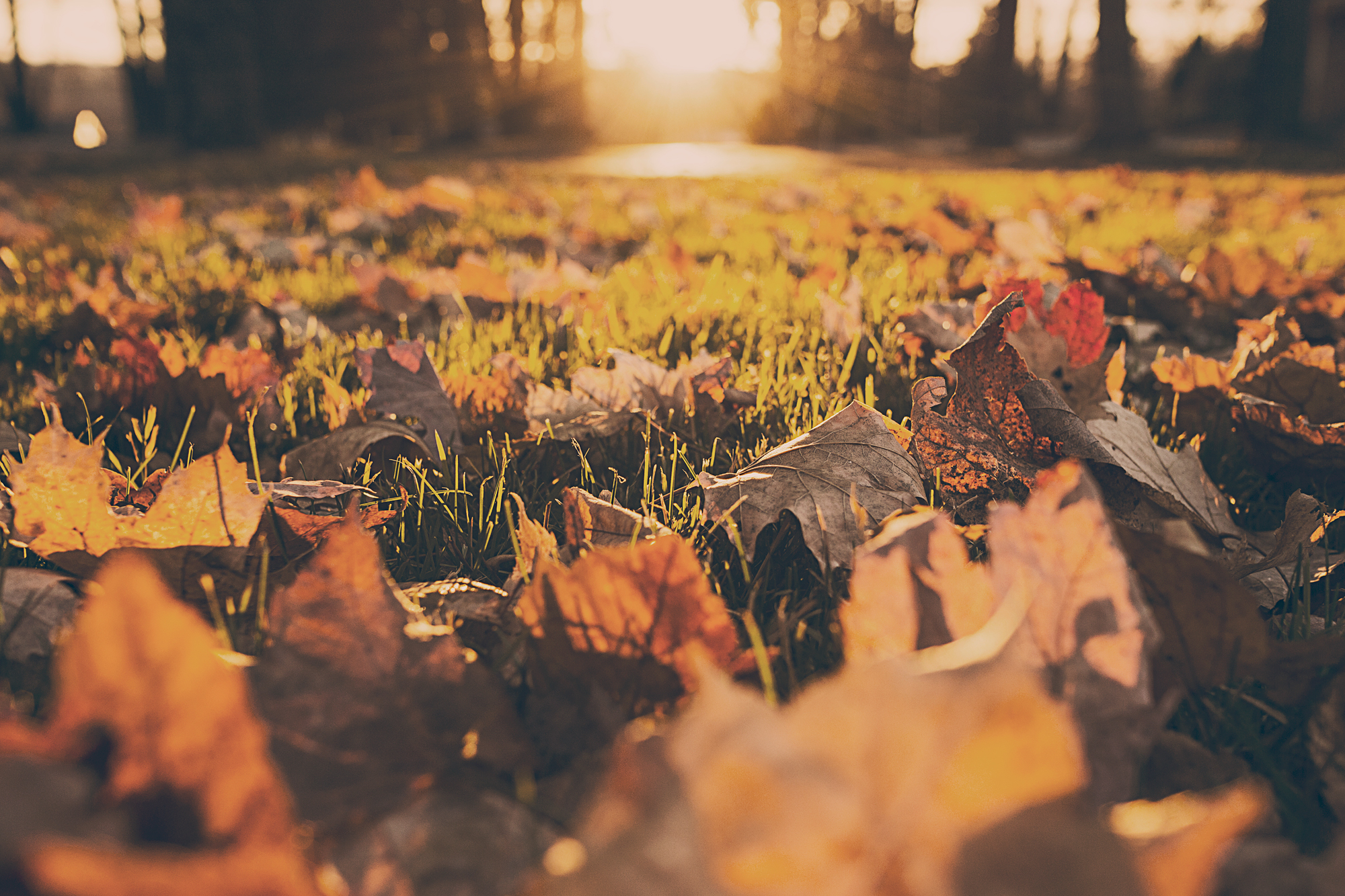
    Fallen autumn leaves on the ground

    Here are some tips to help you prepare your lawn for fall:

    1. Don’t stop mowing your lawn

    During fall, the lawn tends to grow slower, and you’ll be tempted to stop mowing your lawn.

    However, you shouldn’t stop mowing your lawn during the fall season to allow sunlight and moisture to get to the roots of the grass. This way, the grass is more nourished and doesn’t get too brown during winter.

    2. Rake the leaves

    Raking is a chore that no one wants to do; however, it is an essential part of preparing your lawn during the fall. It’s always best to rake fallen leaves or the grass on your lawn after mowing.

    Alternatively, you could get a lawn mower fitted with a collection bag to eliminate the need for raking.

    The side effects of not raking or clearing off fallen leaves from your lawn are that they will get wet from rain or dew and form a clump that won’t allow moisture or sunlight to penetrate the soil and grass underneath.

    3. Cover bald spots

    If there are bald spots on your lawn, fall is the best time to fix them. You can do this simply by using a garden fix mixture or other lawn repair products.

    Before applying the mixture to your lawn, clear the loose soil from the bald spot using a rake or a spade, then apply the mixture evenly and generously over the bald area. For maximum effect, ensure you water your lawn daily, especially when there’s no rain.

    4. Use fertilizer on your lawn

    It is a good idea to fertilize your lawn at least once a year, and the best time to do this is in the fall.

    Although grass tends to grow slowly in the fall, the roots grow much faster. Apply dry fertilizer evenly to your lawn to add the necessary nutrients for healthy growth. You can use a spreader for easier and more even spreading of the fertilizer.

    5. Use weed control

    Fall is a good time to fight back if you notice weeds on your lawn. Weeds absorb the energy and nutrients required for your lawn to thrive.

    You can apply herbicides to your lawn in the fall to prevent weeds from coming back in the spring to disrupt the growth of your lawn or garden plants.

    You can also reach out to us to prepare and care for your lawn this fall and all year round!

    If you want a professional crew to handle this in Metro Atlanta (north of I-20), see our lawn and landscape maintenance services.
  • Backyard Entertainment Landscaping Tips

    Backyard Entertainment Landscaping Tips

    Everyone loves a backyard they can hang out in with friends and family. And now that summer is here, it’s time to take full advantage of the favorable weather by creating an entertainment spot in your backyard.

    “That will cost a lot,” you may think. Not necessarily. It’s all about choosing the right landscaping elements, designs, and plants.

    These landscaping tips will help you make the most of your backyard this summer.

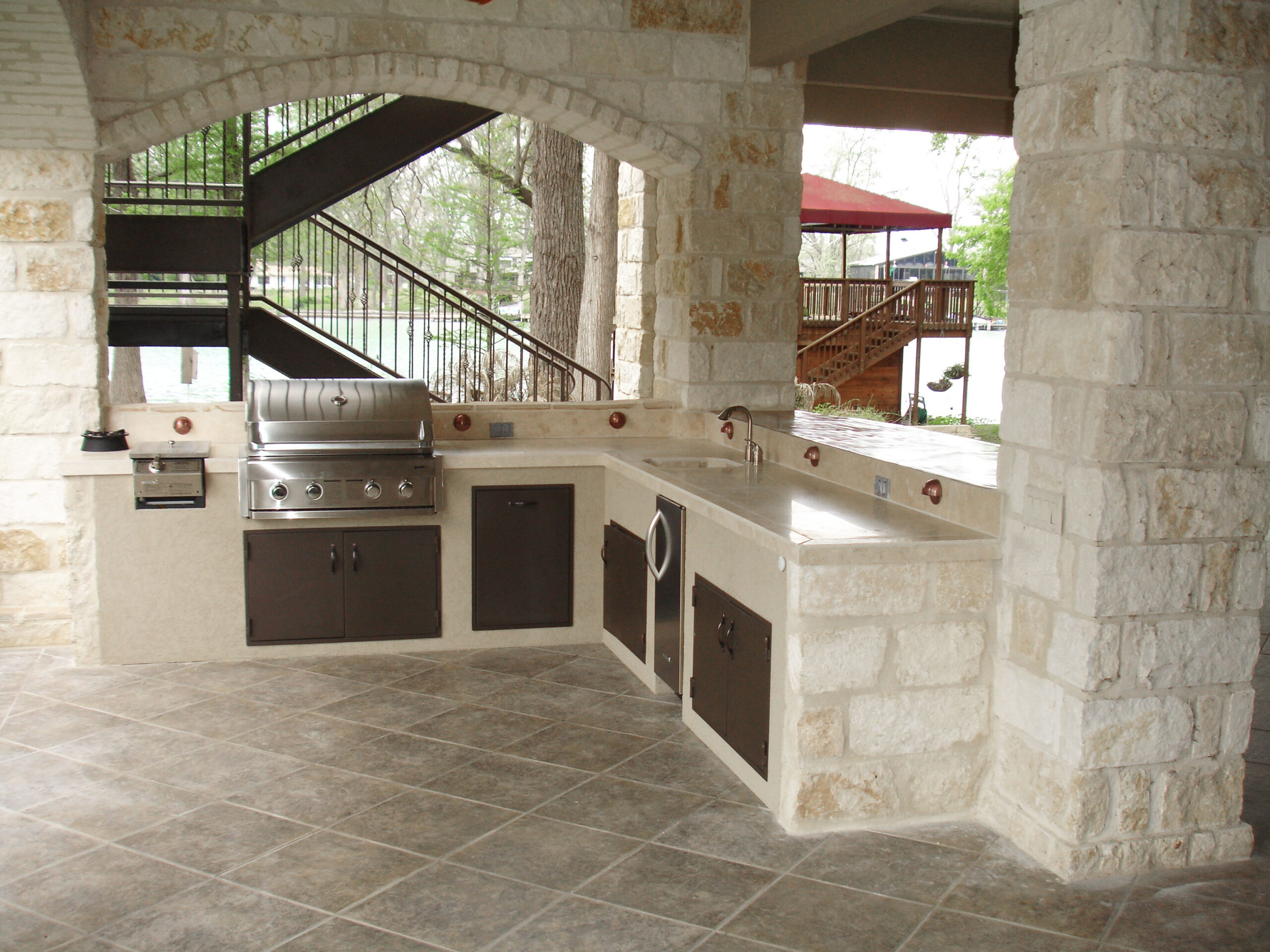
    Covered outdoor kitchen with a built-in grill and stone columns

    Screen off your yard with plants

    If your next-door neighbors are so close they can see everything going on in your yard, you can block their view with a fence made with plants.

    You can plant small trees and tall shrubs around your home to create the privacy you want.

    Add a dining area

    You don’t always have to dine indoors. When the weather permits, you can enjoy mealtimes with friends and family in the backyard. Depending on your taste and budget, your backyard dining area can be grandiose or simple.

    You can install an elaborate outdoor kitchen complete with dishwashers, ovens, and other accessories. Alternatively, you can carve out an area with paving stones or concrete slabs and complete it with tables, chairs, and a nearby grill.

    Elevate your lawn

    You can spice up your flat backyard by elevating it. It’s a simple but dramatic makeover that can make your boring backyard more interesting and functional.

    Create a two-level lawn, and place a few chairs in the sitting area. You can plant tall tropical plants to provide privacy and a calming effect.

    Add a water feature

    Summer is here already! What better way to cool off our tired bodies and soothe the skin than by taking dips in the swimming pool. Outdoor pools are a great option, particularly during the summer.

    Even if that is not an option, you can go for a waterfall that attracts beautiful birds. A small fish pond or rock garden are also excellent alternatives that can give a calming vibe to your backyard.

    Children lying on artificial turf with pinwheels

    Create an outdoor area for kids

    While transforming your backyard into a great entertainment spot, don’t leave your kids out for the excitement. Choose the right tree and build a treehouse – a great play area for kids.

    Don’t have a tree in your home? A raised platform with frames for safety, slides, ropes, and a ladder will do just fine. A weather-proof sandbox is also a sure way to fascinate your kids.

    Backyards are where all the never-to-forget memories are forged. Here at Atlanta Landscaping, we can help you create a backyard perfect for entertainment and memory-making. Request a quote today to get started.

    If you want a professional crew to handle this in Metro Atlanta (north of I-20), see our outdoor living services.

  • Material Options for Backyard Patio

    Material Options for Backyard Patio

    There are several types of materials used for patio designs. How they are used and how well they are installed is what either makes for an excellent or terrible patio.

    Certain factors influence the choice of patio materials, such as the patio’s location, the environment’s climate, the cost of materials and installation, and the size of the patio.

    Before you choose a patio material, let’s walk you through some of the options.

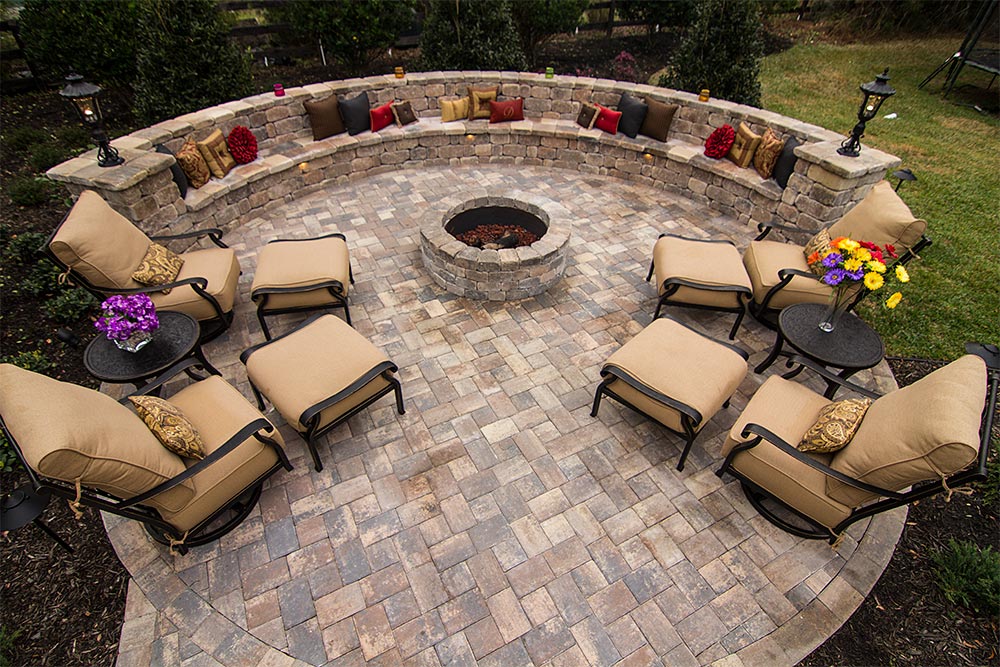
    Paver patio with a round fire pit and lounge chairs

    Brick

    Brick patios are attractive and would give your home a colonial look. However, they are challenging to maintain. Brick patios absorb moisture and hence are not suitable for a humid environment.

    When frozen, brick cracks and the patio would need to be replaced, which is quite expensive. Also, moisture in shaded areas with less traffic breeds moss which could become a safety hazard.

    Concrete

    Concrete is easily one of the most popular patio materials because of its availability, ease of installation, and durability. However, concrete patios can be very dull and do little for the aesthetic value of your home.

    Although concrete is cheap and easy to install, keeping its appearance requires regular maintenance, such as reapplying its surface to maintain its smoothness and color and to cover up cracks. However, concrete patios are best for frost-free regions.

    Pavers

    Paver patios are also quite popular.

    They are produced in different shapes, sizes, and colors and are excellent for creating beautiful patterns and modern patio designs. Pavers are made to the same thickness and are easy to install.

    Pavers fit together like puzzle pieces independently and do not require mortar to install.

    Stacked boulder retaining wall above a lawn

    Natural stone

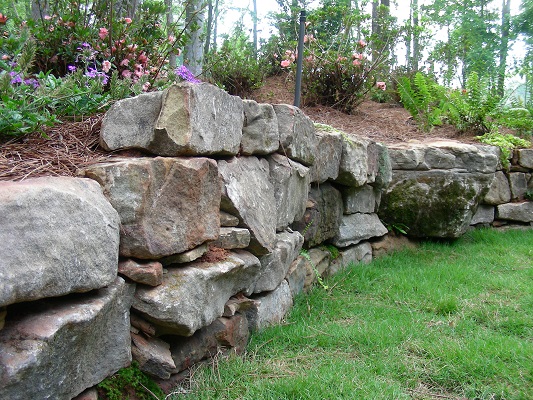
    Natural stone gives your patio a more natural appearance, and there are different types of natural stones such as slate, quartzite, limestone, sandstone, flagstone, and bluestone.

    Natural stone patio materials are usually made in varying thicknesses, making them difficult to install and more expensive than the others. A lot of work goes into ensuring that all patio areas are level; however, they are durable.

    Tile

    Tiles produce a more modern patio look. However, unglazed tile surfaces are best for patios because they are less slippery when wet.

    You could get porcelain, quarry, or terracotta tiles for your patio. They are durable and can withstand different weather conditions. Tile surfaces are easy to clean and maintain. They can be coated or sealed to prevent wear or stains.

    Hands holding decorative gravel beside a paver edge

    Mixed materials

    Consider using mixed materials if you’re opting for a more creative and visually appealing patio. Mixed materials combine patio materials, including pavers, tiles, flagstone, and others.

    However, installation should be properly planned and not random so that the patio design is beautiful, practical, and safe. An excellent patio is one that combines the best elements of aesthetics and practicality.

    Atlanta Professional Landscaping logo

    If you’ve decided on the patio material you want, it’s best to get professional services to handle the installation. There are several out there, but few do it better than Atlanta Professional Landscaping. Request your quote now.

    If you want a professional crew to handle this in Metro Atlanta (north of I-20), see our hardscaping services.

  • Benefits of Using a Professional Landscaper

    Benefits of Using a Professional Landscaper

    As a homeowner, you’re probably looking for techniques and ways to upgrade your property.

    If your property is in the countryside or it has a lot of outdoor, natural space, you might want to consider the benefits of using a professional landscaper.

    While the beautification aspect is a huge reason to do so, a professional landscaper can provide you with so much more. Here are some of the benefits:

    Stacked boulder retaining wall above a lawn

    Time management

    If you’re always on a tight schedule that doesn’t afford you a lot of time to clean up and polish outdoor looks, a professional can help you with it.

    To maintain a beautiful landscape takes time and considerable physical effort if you were to do it on your own. Even if you have help with it, it’s best to delegate the duties to a professional landscaper to help you keep things looking prim and in good condition.

    Besides, a couple of lawnmower passes aren’t enough. With a professional landscaper, you don’t have to bother doing strenuous work.

    You’ll also save a lot of time.

    Front-yard flower bed and shrubs in front of a brick house

    Professionalism and qualified knowledge

    In landscaping, you’ll have to prune trees, water flowers, mow lawns, and much more. If hardscaping is involved, there’s more physical work to be done.

    These tasks take up a lot of time. Also, they require specialized knowledge to execute to perfection.

    You can’t rely on YouTube tutorials or handbook theory for this task. You need experts.

    Even if you have people willing to do small tasks for you for some pay, you cannot rely on their suitability for the job.

    You need the high standards of professional landscaping and lawn care services to get your property looking astounding.

    You’ll save money

    Hiring a professional landscaper to work on your property will save you a great deal of money in the long haul.

    If you’ll be doing landscaping at all, then it stands to reason that you’ll be doing it for a while. You’ll have to pay for it consistently. If you’re hiring a neighbor or a friend to do it for you, it’ll cost you more per servicing than a professional landscaper.

    If you choose to DIY, you’ll have to buy, maintain and occasionally replace tools. For example, you’ll have to purchase a lawnmower, chemicals, pruning shears, and edging tools.

    With a professional landscaper, you’ll only pay installment fees that cover equipment use and space maintenance.

    Dry creek bed of river rock lined with plants

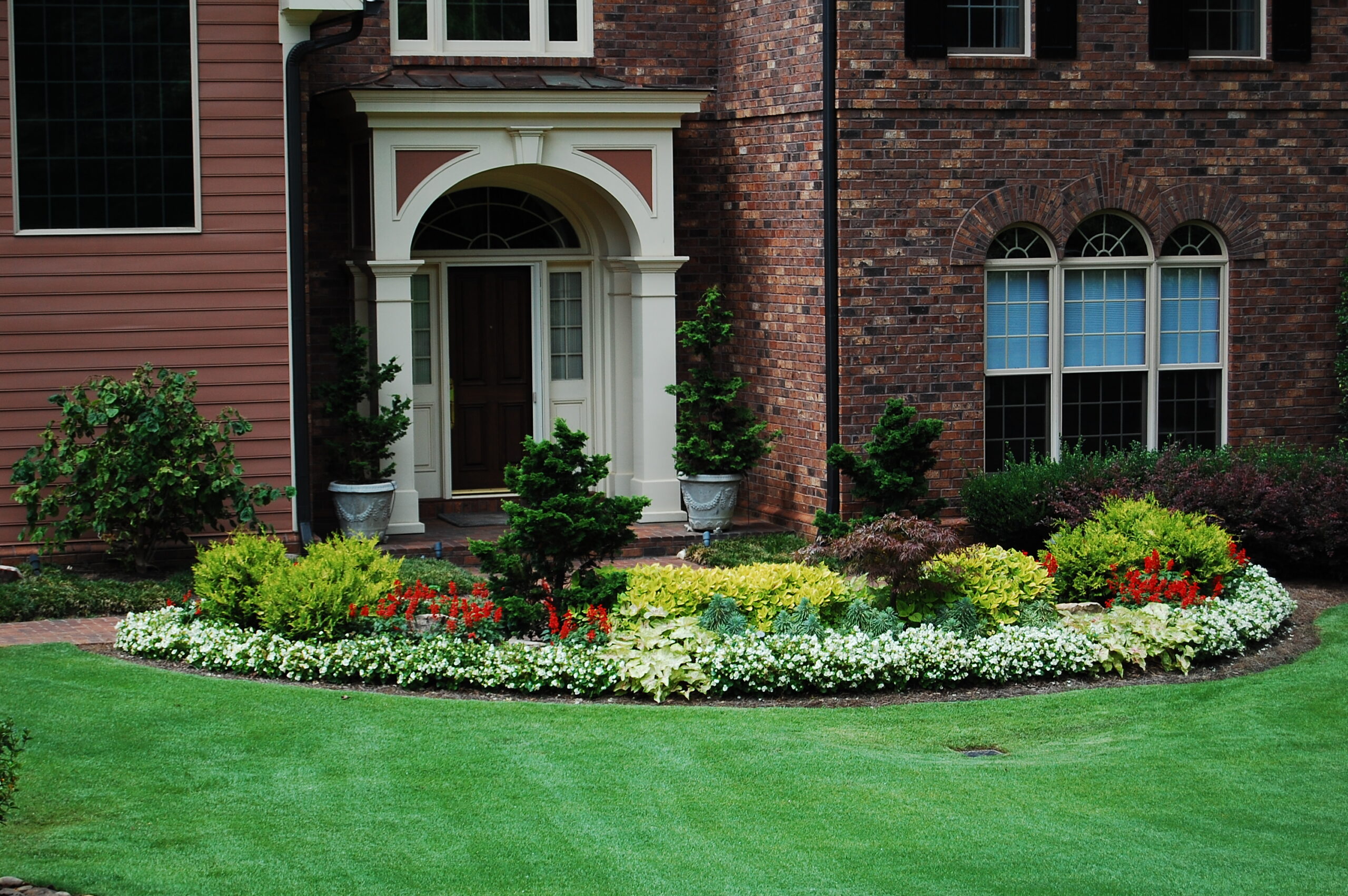
    Curb appeal

    Curb appeal refers to how your property looks from a panoramic distance.

    As you stand at the curb, looking at your home, you want to feel the sense of pride and beauty that a well-maintained dwelling looks like.

    Doing it yourself may be partially effective. But it’s far from comprehensive and won’t make the grounds look as pretty as if you hire an expert.

    Request a quote today to give your landscape that brilliant makeover!

    If you want a professional crew to handle this in Metro Atlanta (north of I-20), see our landscape design and installation services.

  • What Treatments are Best in the Spring for Your Lawn

    What Treatments are Best in the Spring for Your Lawn

    With the arrival of spring comes the necessity for some critical lawn care. Maintaining a beautiful, vibrant lawn year-round begins with proper lawn care in the springtime.

    You may attain your perfect lawn by following the simple steps outlined in this article.

    Taking care of your lawn requires some tender loving care, some of which are highlighted below:

    Sprinkler watering a flower bed

    Aerate your lawn

    You may have to aerate your lawn if you notice that the soil is compacted/clumped together.

    If many people consistently tread all over your lawn, it can lead to the earth being compacted.

    When the soil is compacted, air, water, and other essential nutrients will not be able to reach the roots of the grass effectively.

    You should aerate your soil in the spring instead of during the fall, especially if your soil is a bit clayey.

    There are many benefits of soil aeration. When many small holes are created in the soil, it makes it easier for water, air, and essential nutrients to enter the roots of the plants via the tiny holes created in the soil.

    Adjust and service your lawn mower’s engine

    When it comes to mower maintenance, it’s more than just sharpening or, in some instances, changing the blade. Some things such as the oil and spark plug may need to be replaced.

    You also have to ensure that the gas tank is filled adequately.

    Rake your lawn frequently

    It’s all about starting over with a clean slate by raking frequently. When it comes to spring, raking isn’t only a seasonal activity.

    You need to rake frequently to clean up fallen leaves, general debris, and dead grass. Ensure that your soil is dry before raking. Healthy grass can be yanked out if the ground is too wet.

    Pre-emergent herbicides should be used when necessary

    If you want a lawn independent of weed growth, spring lawn maintenance should include weed prevention and healthy grass growth. This method does not work on all kinds of weeds in the garden.

    Annual weeds are treated with pre-emergence weedkillers, while perennial weeds are treated with post-emergence herbicides.

    One of the most common weeds in Atlanta is Crabgrass. To eliminate crabgrass, you’ll presumably need to employ both of these strategies at the same time. Crabgrass invades lawns when the temperature reaches 60 – 70 degrees for several days each spring.

    Before the appearance of young weed plants, herbicides are used to eliminate them totally.

    Herbicides possess chemical obstacles that form on the soil surface to help stop seeds from sprouting roots and shoots.

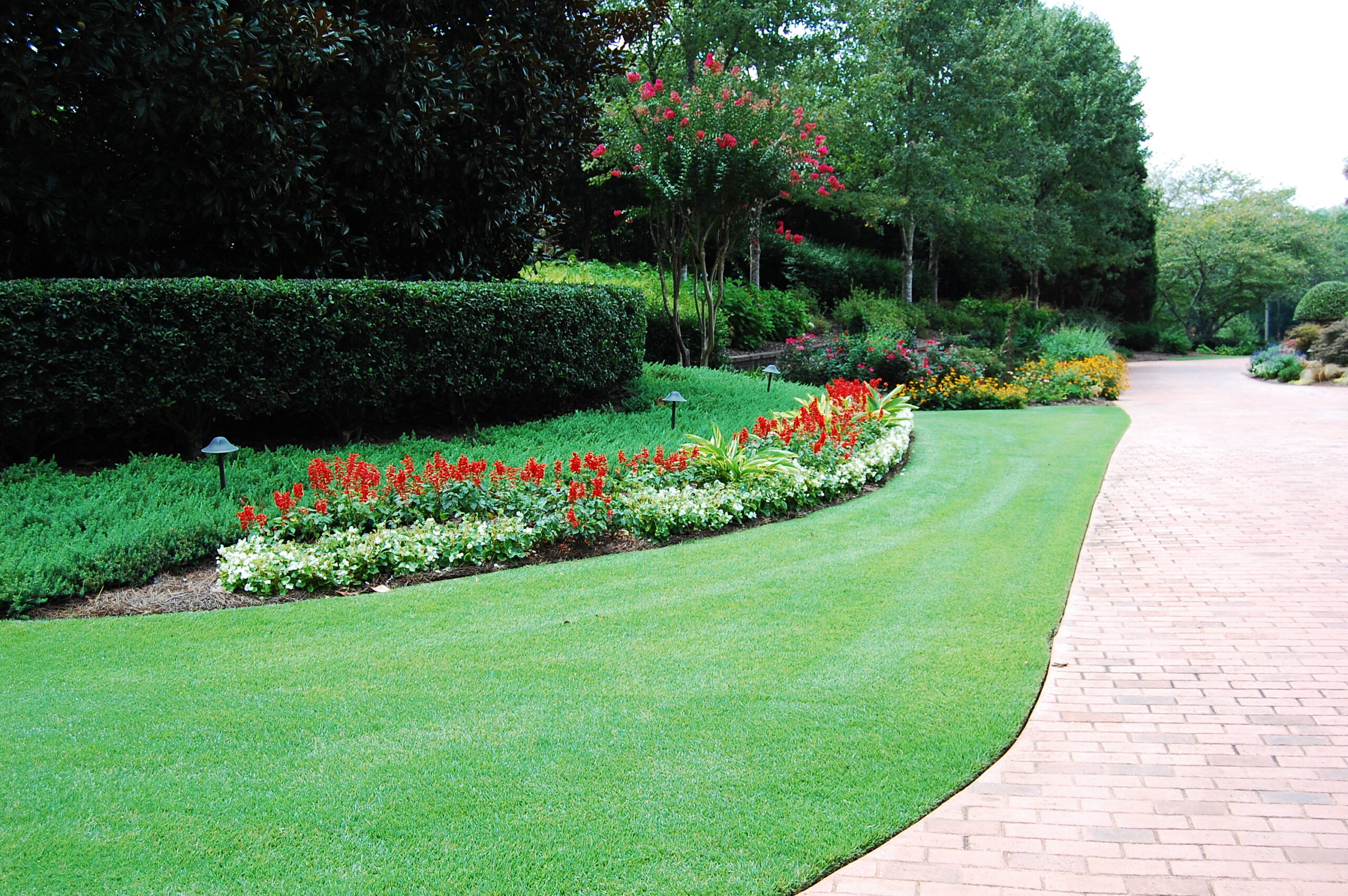
    Curved lawn with flower beds and a brick walkway

    Make sure the grass is well fed

    You should fertilize your lawn as soon as you can after a long, hard winter. All of this boils down to what kind of fertilizer you use. The major types of fertilizers are organic and synthetic.

    Natural organic fertilizers can now be used in place of refined chemicals in the soil. The use of natural fertilizers reduces the risk of runoff affecting which can cause environmental pollution.

    Applying rapid-release fertilizer in early springtime will provide a significant increase in nutrients to encourage recuperation from the wintertime and assist maintain a robust, healthy turfgrass in future months.

    Your lawn may turn green after a couple of days, when the treatment is applied. Or, if you would not want to invest a lot of money on your lawn this season, get a mixture of quick and slow-release fertilizers.

    Contact us at Atlanta Professional Landscaping for a lawn that looks great this spring and all year round!

    If you want a professional crew to handle this in Metro Atlanta (north of I-20), see our lawn and landscape maintenance services.
  • Ways We Can Help With Spring Cleanup

    Ways We Can Help With Spring Cleanup

    For many people, spring is the best time of year. It lies between the chill and freeze of winter and the start of the sweltering summer months. As such, it’s just perfect.

    It’s also that time of year when you’re inclined to do some serious yard cleaning. After three months of shoveling tons of snow from your yard, it’s very likely that it won’t look the same.

    As a top provider of landscaping services, here’s how we can help you handle spring cleanup.

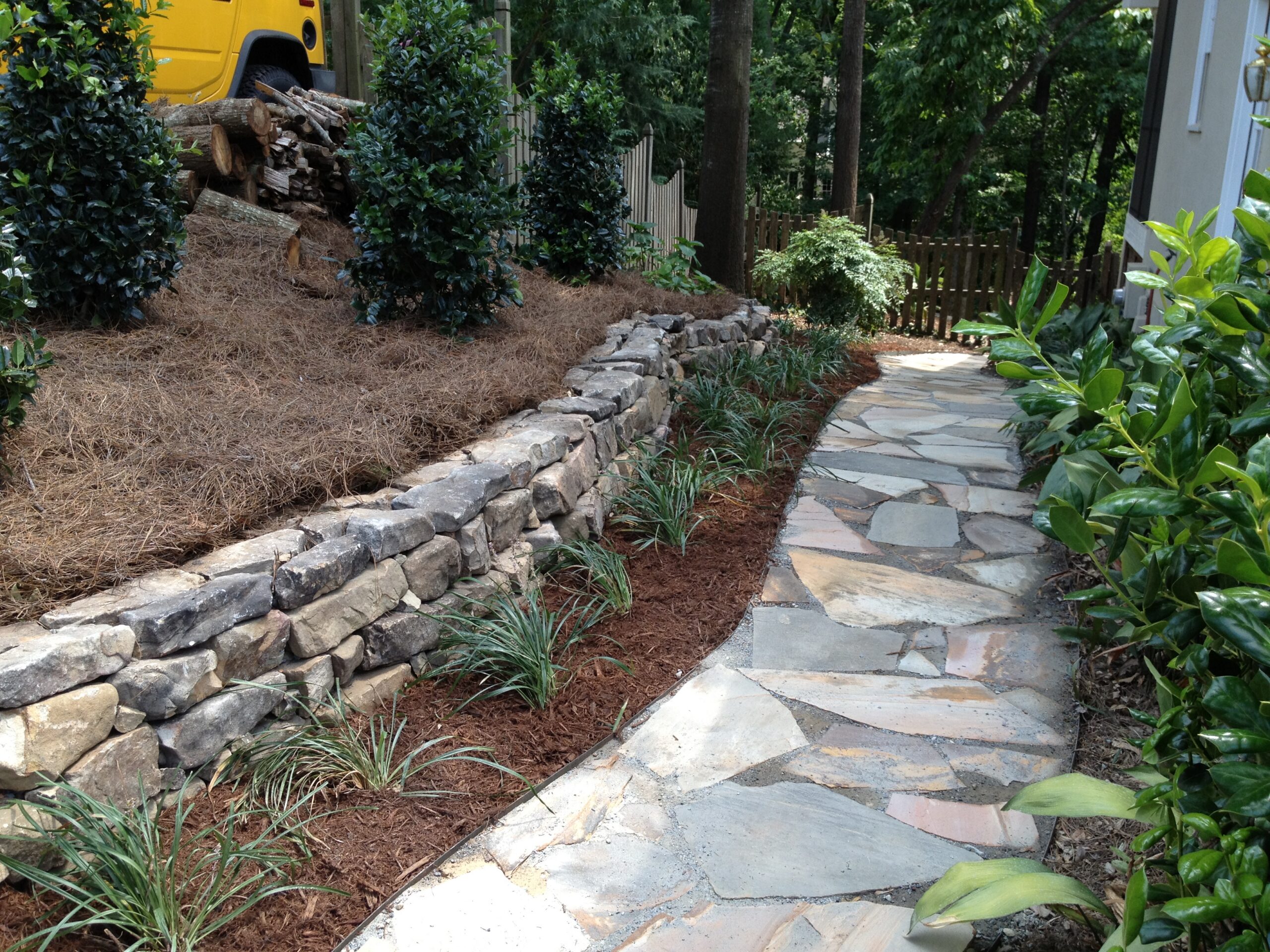
    Stone retaining wall and flagstone path through a garden bed

    Yard Cleanup

    If you want your yard to look as brilliant as it did in the summer months, then the first step to overcoming the wintry log is to clean up the surroundings. The aftermath of winter often leaves debris, fallen leaves, broken branches, dead grass, and other litter.

    Cleaning up the surroundings will discourage mold and bacteria growth. In addition, your lawns, outdoor oasis, and other elements of the hardscape will be reinvigorated and once again shine through.

    To avoid having the real beauty in your yard hidden behind lots of junk, you must first clear away the blockade veneer.

    Using pre-emergent herbicide

    The softscape is often the most vulnerable part of your landscape after prolonged exposure to adverse weather conditions. So, one of the first things to consider is the best way to rejuvenate it.

    A great option is to apply a pre-emergent herbicide. Now, unlike regular herbicides, this one does not eliminate existing weeds. Instead, it stops them from taking root at all.

    As a homeowner looking to grow new plants to decorate your landscape, this is an excellent way to cut down on the need for herbicides later on.

    Clean up flower beds

    To prepare the softscape for the new planting season, you have to clean up the flower beds.

    When raking up leaves, twigs, and plant debris, be sure to remove anything that may be hidden under the snow.

    In addition to making your property look neat and clean, it will also reduce the chances of them being affected by pests and diseases.

    However, to perform this task perfectly, you need a good landscaper’s services, professionalism, and technical know-how.

    Stacked boulder retaining wall above a lawn

    Planting and mulching

    Before planting, you’ll want to test the soil for nutrient content and pH level. This way, you’ll know exactly what the soil needs and the nutrients to be added.

    Spring is the time for you to check for bare spots in your lawns and reseed them. Afterward, you’ll add compost and mulch to ensure the protection of the new plants.

    Of course, most of these activities are best done professionally. Doing it yourself isn’t ideal, as it’s easy to miss out on several important things.

    That’s why Atlanta Professional Landscaping exists – we provide you with the full range of professional landscape maintenance services so you can get your outdoors looking like a dreamland, just in time for summer. Let’s know how we can help today.

    If you want a professional crew to handle this in Metro Atlanta (north of I-20), see our lawn and landscape maintenance services.

  • Which Mulch Is Best For My Garden?

    Which Mulch Is Best For My Garden?

    If you’re a plant lover and growing some in your garden, then you probably know the benefits of mulch. However, there are many natural mulch choices, each with its advantages and drawbacks. It can be confusing figuring out the right one as what worked for others might not suit your garden.

    We’ve made the decision-making easier for you as this article examines the pros and cons of some of the best mulch materials around.

    Dry creek bed of river rock lined with plants

    Pine Straw

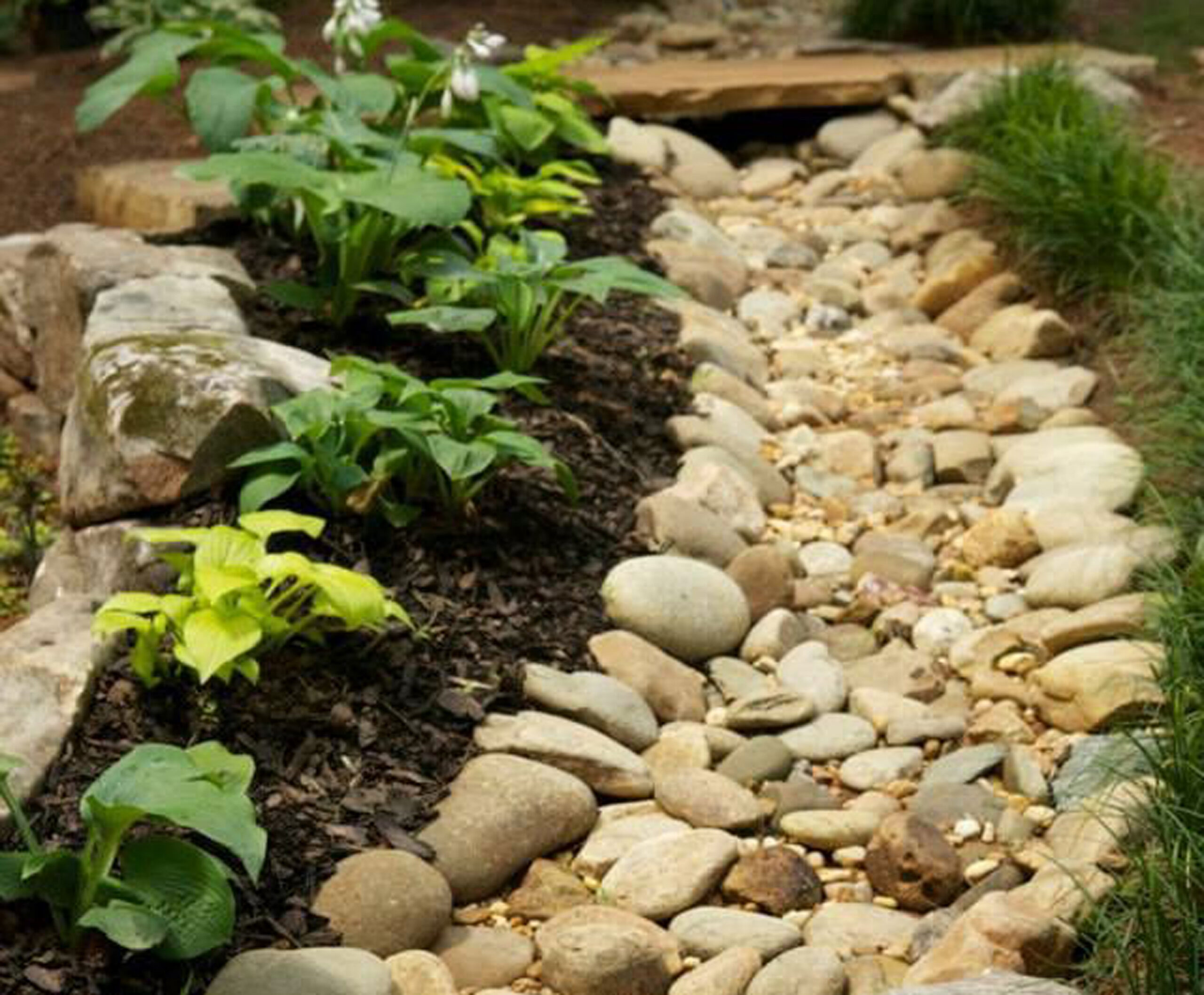
    Pine straws, or pine needles as some will call them, are excellent for preventing the growth of weed as they form a thick mat that covers the surface of the soil.

    Their acidic nature when they break down makes them better suited for plants that thrive in acidic soils such as Holly, Azaleas, Begonia, and Beech.

    Pine straws are also excellent for sloppy areas as they do not get washed away in heavy rains. One drawback, though, is that, as time goes on, they change to a silver-gray color you might find unattractive.

    Compost

    If you’re looking to apply mulch without making it obvious, compost is the right choice. It looks like soil but with a darker hue.

    One of the biggest advantages of compost is that while it breaks down easily, it helps feed the soil with the needed organic nutrients and improves soil structure and water-retaining capacity.

    They are also very inexpensive, and you can easily create your own compost. However, compost is not an excellent weed inhibitor like pine straws.

    Hay

    Hay, especially if it is not feed quality and can’t be used to feed animals, is a dirt-cheap mulch alternative. While it is soft, spongy, moist, and may not look great, hay is excellent for flower and vegetable gardens because of its abundance of nutrients.

    However, you have to be careful using hay as it may contain weed seeds that may regerminate more often than not. The way out of this is to pile on more hays as weeds will find it difficult to grow through the heap.

    Hardwood

    For alkaline-loving plants, you want to go for hardwood mulches. Unlike pine straws, they break down to release alkaline into the soil, greatly benefiting plants such as Asparagus, Beets, Cabbage, Lavender, Echinacea, and others that thrive well in alkaline soil.

    If you’re planting neutral plants, you can compensate by adding fertilizer or sulfur. Hardwood mulch does not easily wash away and can also be used to amend your soil.

    Hands holding decorative gravel beside a paver edge

    Stones

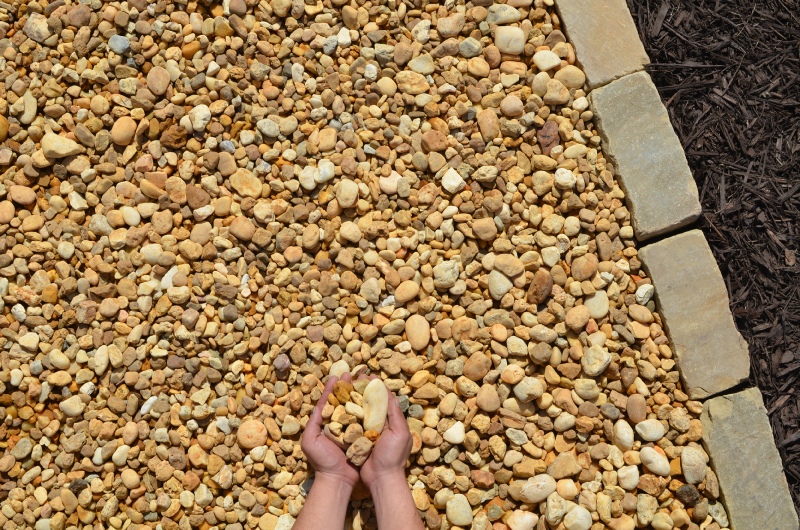
    While they are more expensive than their organic alternatives, stones are a great choice for many reasons. Unlike organic mulches, they do not break down and do not need to be applied frequently.

    However, small stones like pebbles can easily sink into the soil, requiring you to add more. One major drawback to using stones as mulch is that they can get hot, especially in sunny areas, thereby increasing water evaporation from the soil.

    Now you know the best mulch material for your soil! Still finding it difficult to choose or have other landscaping challenges? Talk to us today.

    If you want a professional crew to handle this in Metro Atlanta (north of I-20), see our lawn and landscape maintenance services.
We use cookies to run this site and, with your OK, to understand how visitors use it. See our Privacy Policy.