Category: Uncategorized

  • Signs Your Atlanta Sprinkler System Needs Repair

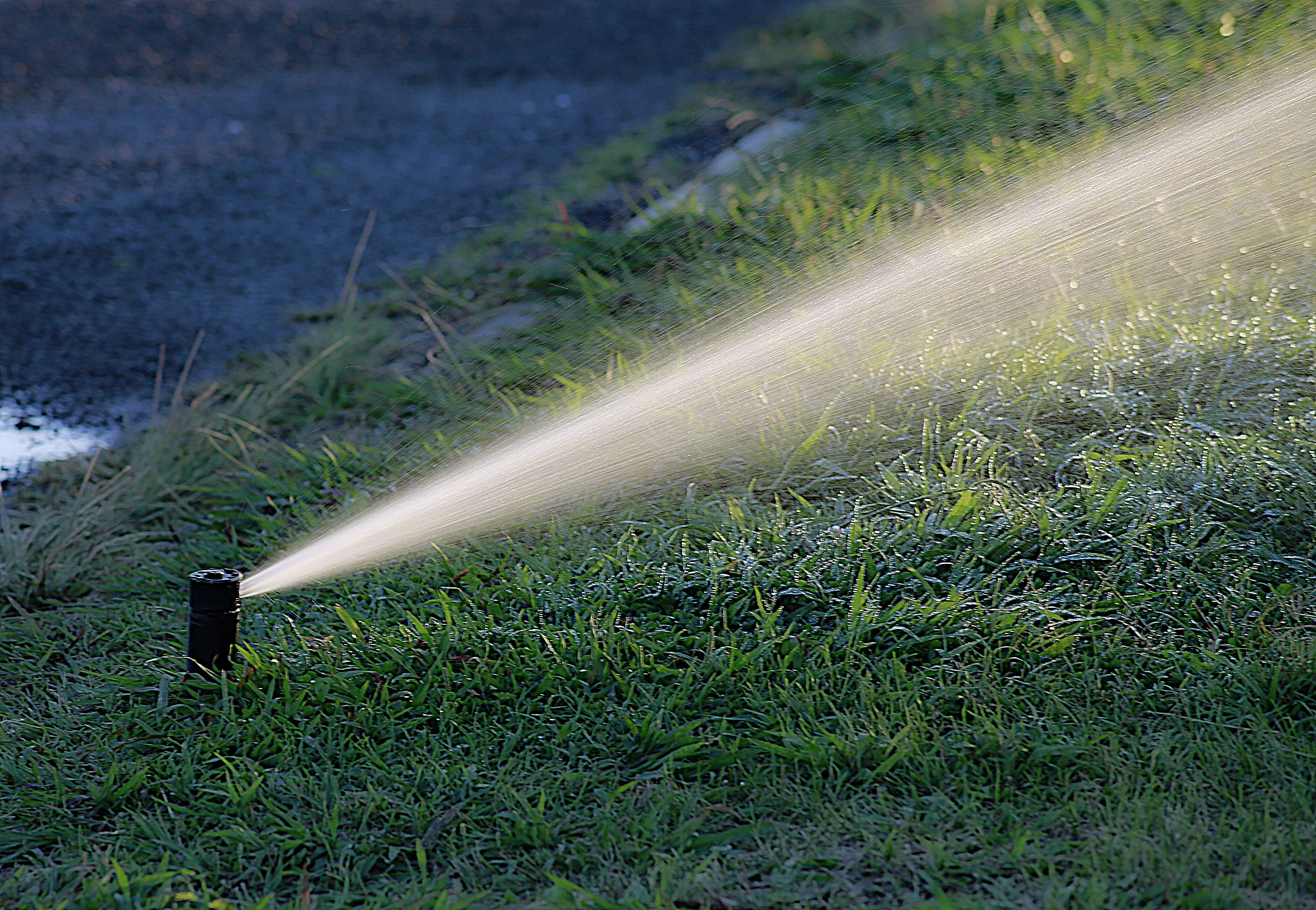
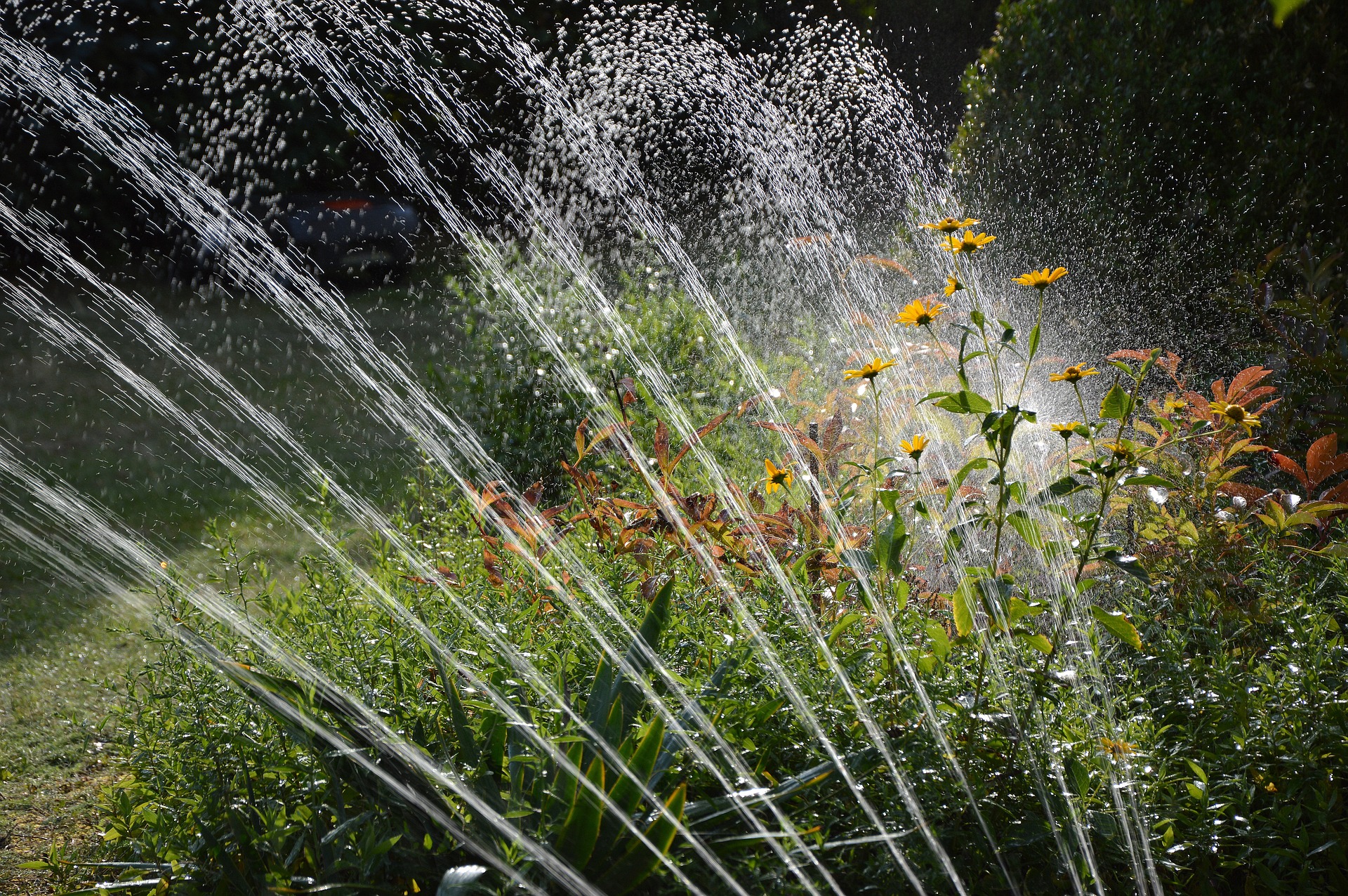
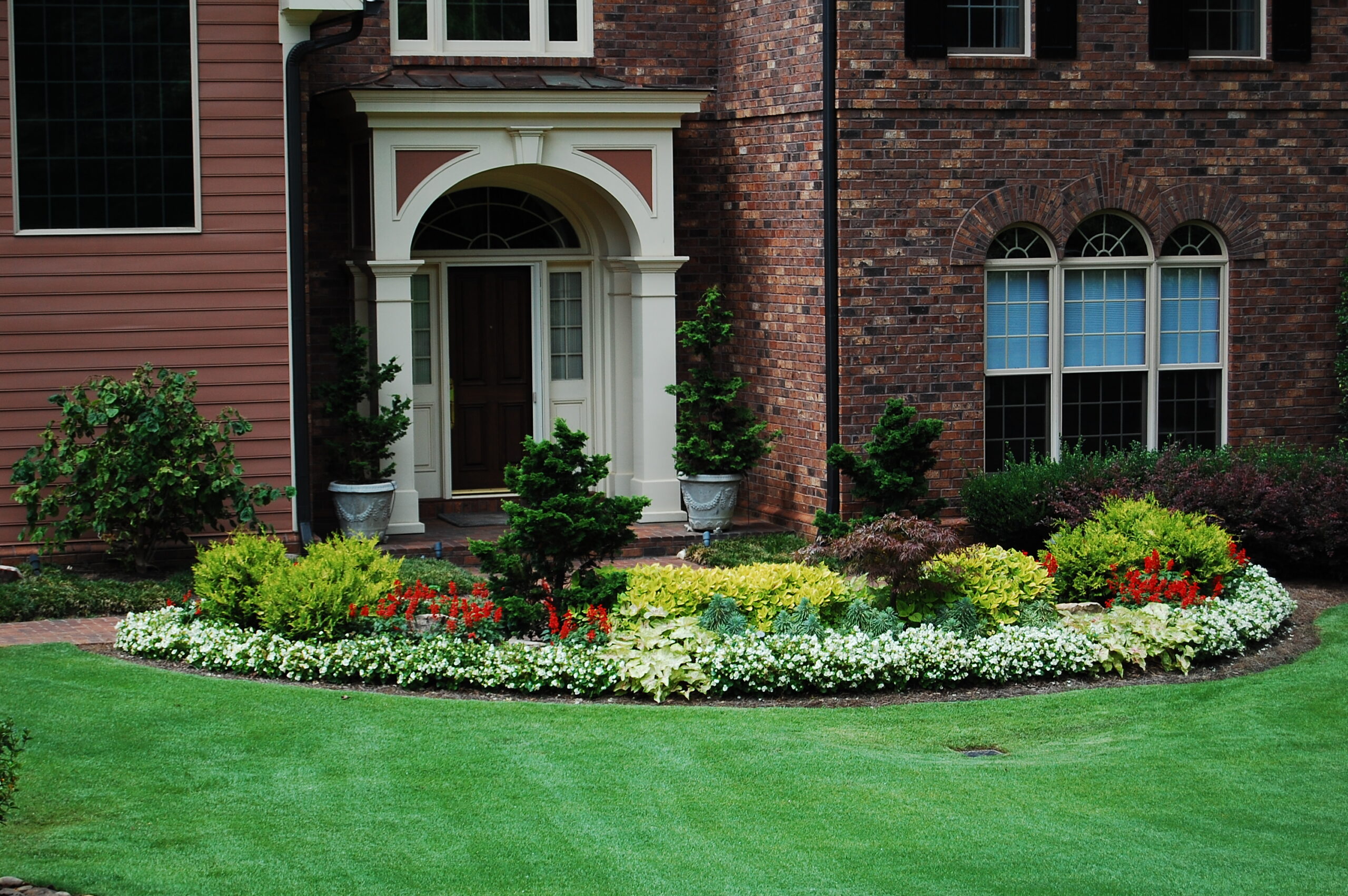
    If parts of your Atlanta lawn stay dry while others puddle, sprinkler heads no longer pop up, you see wet spots around a head or valve box, or the system never ran right again after winter, the issue is often a repair — a broken head, a leak, a zone valve, or a line — not just a new watering schedule.

    Atlanta Professional Landscaping installs and repairs irrigation systems for homes and commercial properties in Metro Atlanta north of I-20. We handle repairs for our maintenance and irrigation service clients and as part of installations and upgrades, including systems we didn’t originally install; we don’t take one-off, repair-only calls. Below are the signs we look for, what usually causes them here, and when it is time to request a visit. For new systems or system types, see our irrigation services page.

    Common signs a sprinkler system needs repair

    • Dry or brown patches in one zone while nearby turf looks fine. That often points to a clogged or broken head, a head that is stuck down, or a zone that is not opening all the way.
    • Heads that do not pop up, or spray in a weak mist. Low pressure can come from a leak on the same zone, a cracked pipe, a partly closed valve, or a pump or backflow issue.
    • Geysers, puddles, or sinking soil around a head, valve box or along a trench line. Those are typical leak signs. On clay soil, water may surface a few feet away from the actual break.
    • A zone that will not turn on, or will not shut off. That is often a valve, a wiring problem at the controller, or a valve stuck open.
    • The controller runs, but little or no water comes out after a freeze or a long winter shutdown. Lines, heads or the backflow preventer may have been damaged by cold weather.
    • You have to add more and more time to keep the lawn green, or the spray pattern no longer reaches where it used to. Heads wear out, settle, or get knocked off-aim by mowers and foot traffic.

    Seasonal inspections, adjustments and spring start-ups are a different visit from a repair diagnosis. They are part of our irrigation service for ongoing clients.

    Why these problems show up in Metro Atlanta

    North of I-20, three site conditions come up again and again. Georgia clay shifts and holds water, so fittings and shallow laterals can loosen or break as the ground moves. Winter freezes, even short ones, can crack backflow preventers, exposed pipes and heads that were not drained or blown out. And busy yards — kids, pets, lawn care — knock rotors and spray heads out of alignment or break them off at the riser.

    None of those means every dry spot is a broken system. A controller that is set for the wrong season, a head buried in growing turf, or a zone that was never aimed at a new planting bed can look like a repair issue. A short walk-through is the way to tell the difference.

    What we check on a repair visit

    On a typical visit we run each zone, look at coverage and pressure, inspect heads, valve boxes and the backflow preventer, and look for leaks along the lines. If a repair is straightforward — a head, a nozzle, a riser, a visible leak — we can usually explain that on the spot and quote the work. If a line is broken under a walk or patio, or a valve needs replacement, we will walk through the options and the written scope before any larger work starts.

    We do not quote irrigation repair from a photo alone when the leak or the failed zone is not obvious, because the fix depends on what we find when the system is running.

    Repair or a larger update?

    Repair is usually the right path when the system is generally well laid out and only a zone, a few heads or a leak has failed. A larger update may be worth discussing if the yard has changed — a new patio, a sod area, or beds that the original system no longer covers — or if several zones have the same pressure or coverage problem. That decision should wait until someone has seen the system run. We recommend a full replacement only when repairs no longer make sense for the system.

    Request an irrigation visit

    We serve Metro Atlanta north of I-20, including Smyrna, Marietta, Roswell, Sandy Springs and nearby communities. If you are a maintenance or irrigation service client, call 770-434-0933 Monday through Friday, 8 AM to 5 PM, or use the contact page to request a time for us to look at the system. Not a client yet? Repairs are available as part of a maintenance plan or alongside a new system or upgrade; start on our irrigation service page.
  • When a French Drain Helps a Wet Atlanta Yard

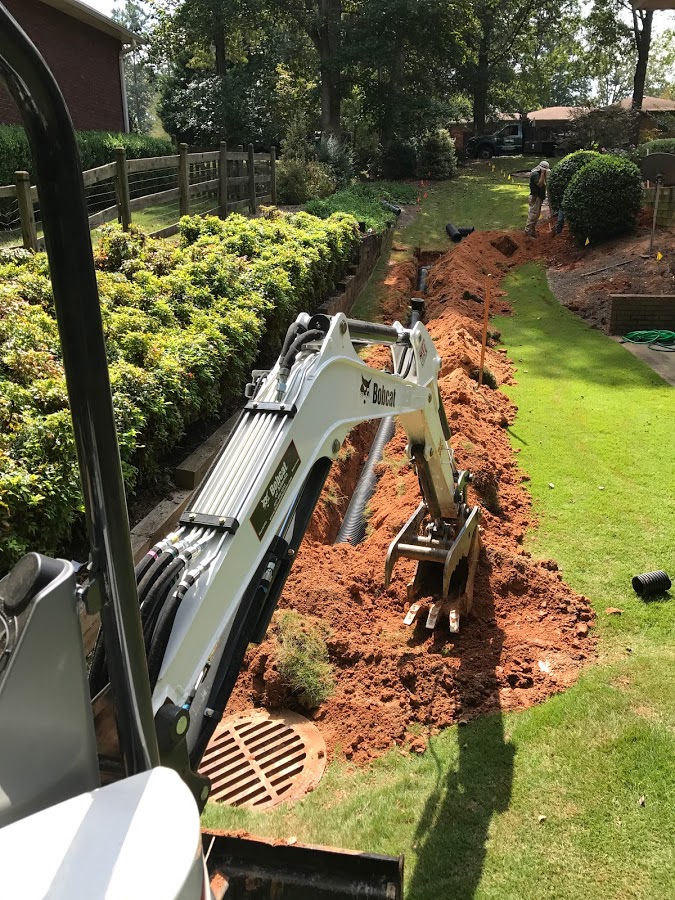
    A French drain is often the right fix when the same part of an Atlanta yard stays wet after rain, especially on Georgia clay north of I-20, and shorter steps like extending a downspout or adding soil have not moved the water away from the house, patio or driveway.

    Atlanta Professional Landscaping designs and installs drainage, including French drains, for homes and commercial properties in Metro Atlanta north of I-20. This guide explains when a French drain is a good fit, how it works in clay soil, and when another drainage approach may be a better first step. If you already know you need help, contact us or see our French drain and yard drainage pages.

    What a French drain does

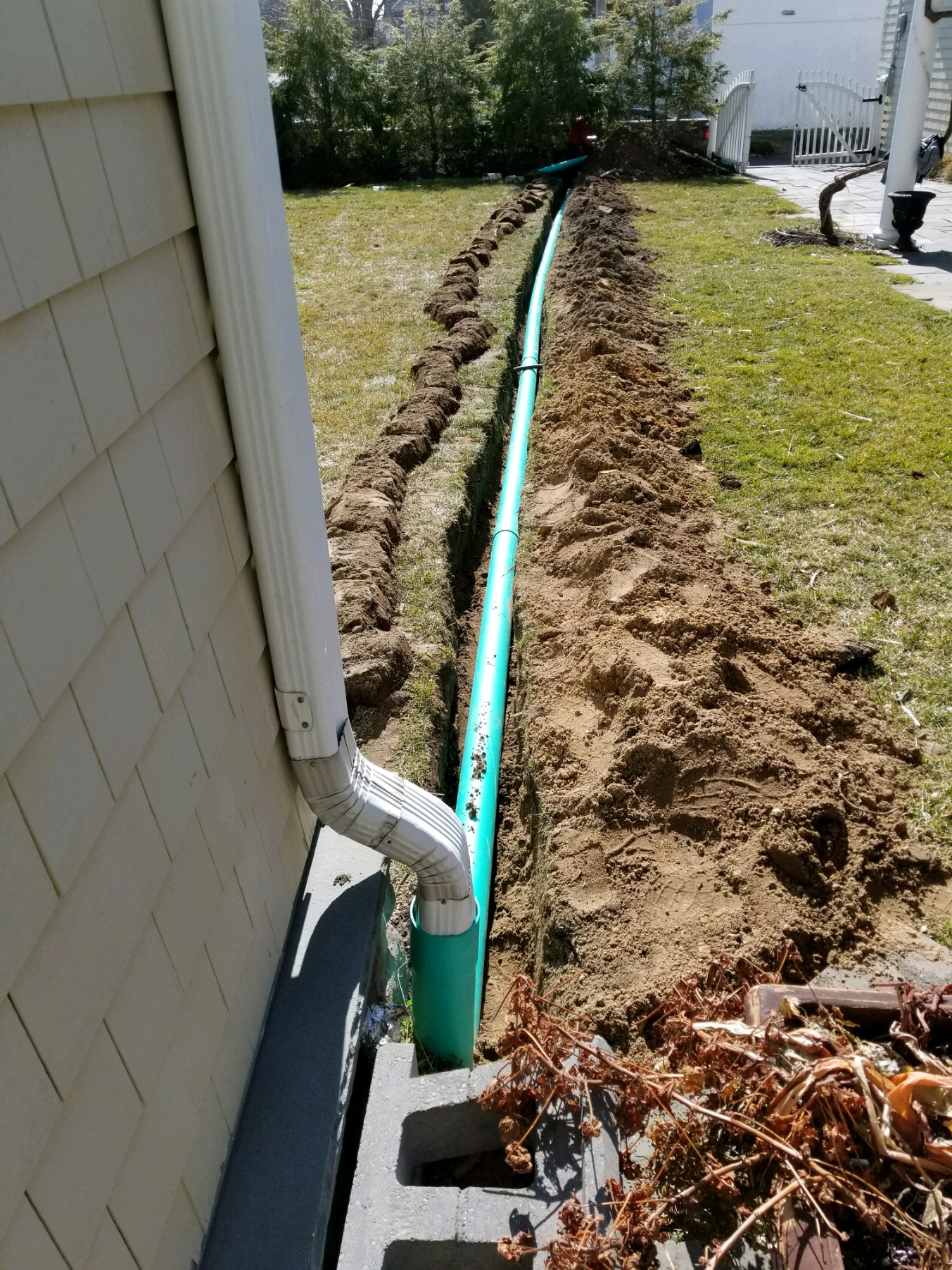
    A French drain is a sloped trench with a perforated pipe in a bed of gravel, usually wrapped so soil does not clog the stone. Water in the surrounding soil moves into the gravel, enters the pipe, and is carried to a lower, safer outlet — for example a lower part of the yard, a daylit opening, or another approved discharge point on the property.

    It is not a pump. It is a way to collect water that is already in the ground or moving across the surface and give it a clear path out.

    Signs a French drain may be the right next step

    A wet yard does not always need a French drain. These patterns, though, are the ones we see most often on properties north of I-20 when a drain is worth considering:

    • Water stands for more than a day after rain in the same low spot, side yard or near a downspout outlet.
    • Turf or beds stay soft and muddy long after the rest of the yard has dried.
    • Mulch, soil or gravel keeps washing toward a foundation, walk or driveway.
    • A patio, walk or basement-adjacent wall shows dampness after storms, and the grade around it is already fairly flat.
    • You have already extended downspouts and the water still collects in the same place.

    A simple check: after a typical rain, walk the yard and note where water sits, where it flows, and whether it heads toward the house. Photos and a rough sketch help a lot when we walk the property with you.

    Why Atlanta clay changes the decision

    Much of Metro Atlanta sits on red clay that holds water and drains slowly. A yard that feels fine in a dry stretch can turn soggy once fall and winter rains arrive and plants are using less water. Clay also means a drain has to be sloped and outlet correctly — a trench without a real place for the water to go will not solve the problem.

    That is why we do not quote a French drain from photos alone. The layout depends on the high and low points of your lot, existing downspouts, hardscapes, and where water can be released without sending it onto a neighbor or back toward the house.

    French drain, regrading, or a dry creek bed?

    These options often work together. They are not competing products so much as different tools:

    • Regrading reshapes the surface so water runs away from the house. It is often the first move when the soil currently slopes toward a foundation or patio.
    • A dry creek bed is a visible, stone-lined channel for water that already flows across the surface, such as from downspouts or a hillside.
    • A French drain is usually the better fit when water is sitting in the soil or in a low area that cannot be graded steeply enough, and you need to move that water underground to a lower outlet.

    On some lots, the right plan is a short surface channel that feeds a French drain, or a drain that protects a patio or retaining wall. The choice should follow how water actually moves on your property, not a one-size layout.

    What to expect from a site visit

    When we look at drainage in Marietta, Smyrna, Roswell, Sandy Springs and the rest of our service area north of I-20, we walk the property, talk through the wet spots you have noticed, and look at grade, downspouts, hardscape and a safe outlet. You then get a written scope and price for the work that fits that yard. We do not use a single standard price for French drains, because length, depth, outlets and access change the job.

    If you are still in the “is this even a drainage problem?” stage, start with our earlier guide, Atlanta Yard Drainage: Signs of Trouble Before Winter Rains, then request a visit when you want a plan for your lot.

    Request a drainage estimate

    Atlanta Professional Landscaping serves Metro Atlanta north of I-20. Call 770-434-0933 Monday through Friday, 8 AM to 5 PM, or send a request through our contact page. We will schedule a time to walk the property and follow up with a written scope.

  • Landscape Lighting for Atlanta’s Long Winter Evenings

    Landscape Lighting for Atlanta’s Long Winter Evenings

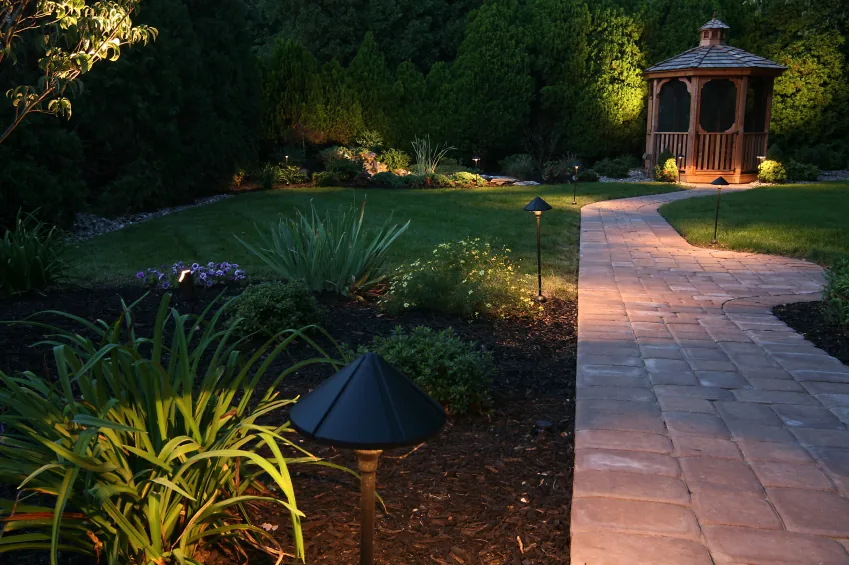
    The best time to add landscape lighting in Atlanta is right now, when the clocks have fallen back and it’s dark before most of us get home. Good lighting makes your paths and steps safer, helps your home feel more secure, and lets you keep using your patio on cool fall and winter evenings. A low-voltage system on a timer handles all of it without you thinking about it.

    We hear the same thing every November: “I didn’t realize how dark the yard was until I was carrying groceries up the steps with my phone flashlight.” Here’s how to tell what your yard needs, where lights make the biggest difference, and what to think about before you start.

    Why does landscape lighting matter more in late fall and winter?

    Once daylight saving time ends, a lot of your time at home happens after dark. That’s when you’re pulling into the driveway, walking the dog, or taking out the trash. Without good light, steps, edges and tree roots become easy places to trip.

    It’s also when your yard is hardest to enjoy. A patio or fire pit you loved in October can sit unused until spring simply because you can’t see out there. A few well-placed fixtures change that.

    Where does lighting make the biggest difference?

    Walk your property one evening after dark. Notice where you hesitate, where you reach for a flashlight, and what you wish you could see from inside. Most homes come back to the same few areas:

    • Paths and walkways. Soft, low lights along the edges show you where to step without glaring in your eyes.
    • Steps and walls. Lights set into or along retaining walls and stair risers mark each level clearly.
    • The front of the house. Uplighting on the facade and entry makes your home easy to find and feel welcoming.
    • Trees and plantings. A light aimed up into a mature tree or across a planting bed gives the yard depth at night.
    • Patios and outdoor living spaces. Light around a paver patio or fire pit turns it into a space you can actually use after sunset.

    How do you plan a lighting layout that looks natural?

    The goal is to light the way people move through the property and the things you want to see, not to flood the whole yard. More fixtures isn’t always better. A yard lit like a parking lot loses the warm, layered look most people want.

    When we plan landscape lighting, we start with a walk of the property. We look at how you come and go, where the steps and grade changes are, and which trees, beds and stonework are worth showing off. Then we place fixtures around that. If you’re also planning hardscape or planting work, it helps to plan the lighting at the same time so wiring can go in before the patio or beds are finished.

    What should you know about low-voltage systems and timers?

    Most residential landscape lighting is low-voltage. It runs from a transformer that steps down your home’s power, so the wiring along beds and paths is lower voltage than a standard outlet. Pair it with a timer and the lights come on in the evening and shut off later at night on their own.

    That matters in winter. As the days get shorter and then start to lengthen again, a timer you can adjust keeps the lights in step with the season. You don’t have to remember to flip a switch.

    Does landscape lighting need care over time?

    Yes, a little. Plants grow, and a fixture that lit a young shrub perfectly may be buried a couple of years later. Mulch and leaves can cover path lights, and a mower or a busy dog can knock a fixture out of line. A quick check each season, plus adjustments as your plantings fill in, keeps the system looking the way it did the night it was finished.

    Frequently asked questions

    Is fall a good time to install landscape lighting in Atlanta?

    Yes. Fall and early winter are when you notice the dark the most, and the ground is usually workable on dry days. It’s also a good time to see exactly where your yard feels too dark, since you’re out there after sunset more often.

    Can lighting be added to an existing patio or retaining wall?

    Often, yes. Many fixtures can be added along the edges of an existing patio, walkway or wall. Some options, like lights built into the wall itself, are easier to install while the wall is being built. We’ll look at what you have and talk through what makes sense.

    Will landscape lighting help with security?

    Lighting the entry, driveway, paths and dark corners near the house makes it easier to see who’s coming and going. It’s one helpful piece of keeping your home feeling safer at night, along with whatever else you already have in place.

    How much does landscape lighting cost?

    It depends on the size of the property, site conditions and the fixtures you choose. We quote after walking the property with you, so the estimate reflects your actual yard.

    Do you serve my area?

    We work across Metro Atlanta north of I-20. You can see the towns and neighborhoods we serve on our service areas page.

    Ready to see your yard in a new light?

    If your steps are hard to see or your patio goes unused once the sun sets, let’s walk your property together and plan lighting that fits the way you live. Request your estimate and a member of our team will be in touch.

  • Atlanta Yard Drainage: Signs of Trouble Before Winter Rains

    Your yard probably has a drainage problem if water stands for more than a day after rain, the same spots stay soggy for weeks, or soil and mulch keep washing toward your house or driveway. The best time to find out is now, in the fall, so you can deal with it before cool weather keeps the ground soaked.

    Here in north-metro Atlanta, Georgia red clay makes this a common issue. Clay holds water and drains slowly. A yard that seems fine all summer can turn into a mud pit once the rain settles in and the plants stop drinking it up. Here’s what to look for, a simple test, and what to do next.

    Why does fall matter for yard drainage?

    In summer, heat and growing plants pull a lot of water out of the soil. In late fall and winter, that slows down. Grass goes dormant, leaves drop, and the sun is lower. Rain that would have dried up in July can sit for days in January.

    Fall is also when it’s easiest to see what’s going on. Beds are cut back, leaves are piling into gutters, and you still have dry days to work. Work goes easier in a dry spell than in wet clay.

    What are the warning signs of poor drainage?

    Walk your yard a day or two after a good rain. Look for these signs:

    • Puddles that hang around. A puddle that lasts for hours is normal. One that’s still there the next day is telling you something.
    • Soggy turf that squishes underfoot. Moss, thin grass, or bare mud in the same spot year after year often means that area never fully dries out.
    • Yellowing or struggling shrubs. Plants sitting in wet clay can get root rot, sometimes called “wet feet.” The leaves can look like the plant needs fertilizer when it really needs less water.
    • Washouts and erosion. Mulch on the sidewalk, bare channels cut through a bed, or red clay stains across the driveway show where water is running fast.
    • Water near the foundation. Damp spots in a crawl space or basement, or soil sloping toward the house, are worth a closer look.
    • Downspouts that dump right at the house. If a downspout empties onto a splash block next to the wall, that water often has nowhere good to go.

    Where is the water coming from?

    Most drainage problems start with one of a few sources: the roof, a hard surface like a driveway or patio, a neighbor’s yard uphill, or a low spot with nowhere to drain. Watch your yard while it’s raining, not just after. Follow the water from where it lands to where it ends up. That one walk tells you more than anything else.

    How can you test your soil’s drainage at home?

    The University of Georgia Extension suggests a simple hole test. Dig a hole about a foot deep in the problem area and fill it with water. If the water drains within 24 hours, drainage there is probably fine. If water is still standing, that spot has poor drainage. You can read more in UGA’s guide to drainage problems in the landscape.

    Try it in the soggy spot and in a healthy part of the yard so you can compare.

    What can you do before winter rains arrive?

    Some fixes are easy weekend jobs. Others need a plan and the right equipment. Start with these:

    • Clean the gutters. Fall leaves clog them fast. When gutters overflow, water spills right along the foundation.
    • Check where each downspout ends. Water should be carried away from the house, not left to pool at the wall.
    • Keep beds and mulch from sloping toward the house. Over time, mulch and soil build up and can steer water the wrong way.
    • Check your irrigation. If a soggy spot is next to a sprinkler head, a broken head or a schedule that runs too long may be part of the problem. Cut back watering as the weather cools.
    • Clear drains and outlets. If you already have yard drains or pop-up outlets, make sure leaves and grass clippings aren’t blocking them.

    When is it time to call a professional?

    If water keeps coming back to the same place, or it’s heading toward your foundation, a quick fix usually won’t hold. That’s when we walk the property, find the source, and plan a fix for the cause rather than the symptom. Depending on the yard, that might mean grading, downspout routing, a dry creek bed, or erosion control. You can see what’s involved on our drainage solutions page.

    For wet spots that never dry, a French drain is often a good answer. It’s a gravel-filled trench with perforated pipe that collects water underground and carries it to a safe outlet. Learn more about how we approach French drains.

    Frequently asked questions

    Is standing water after a heavy storm always a problem?

    Not always. Some standing water right after a big storm is normal, especially in clay. It becomes a concern when the same spots stay wet for a day or more, or when water is moving toward your home.

    Can I wait until spring to fix a drainage problem?

    You can, but water problems usually grow with every rain. Erosion gets deeper, and wet clay is harder to work. Looking at it in the fall gives you time to plan before winter.

    Do you work on drainage across north-metro Atlanta?

    Yes. We serve homes and commercial properties in Atlanta, Alpharetta, Brookhaven, Buckhead, Dunwoody, Kennesaw, Marietta, Milton, Roswell, Sandy Springs, Smyrna, and Vinings.

    Ready to get your yard ready for winter?

    If you’re seeing any of these signs, we’d be glad to take a look. We’ll walk your property with you, show you where the water is going, and talk through your options. Request your estimate and a member of our team will be in touch.

  • Drainage Tips for Your Yard

    Drainage Tips for Your Yard

    As a homeowner, it is to your convenience that you possess a good drainage system within and outside your home.

    Drainage systems should be maintained properly to avoid drainage problems like clogging, flooding, etc. You can begin with good drainage practices to prevent blocked pipes, slow drainage movement, and bad odor.

    A good drainage system permits water to flow freely and helps reduce the accumulation of dirty water that breeds mosquitoes. Therefore, it is imperative to build and maintain a good drainage system in your home.

    This article will show you how to maintain good drainage systems in your home. Read on!

    #1. The ten-foot rule

    One of the most important rules to adhere to when constructing drainages in your home is the ten-foot rule. This rule implies that water should be redirected to a minimum of ten feet from your house when building a drainage system. It isn’t enough to have it less than ten feet away. This is because snows can melt fast, and flooding can occur when there are heavy storms.

    In addition, you should angle your drainage pipe away from your yard, preferably downward.

    #2. Extension of downspout

    Extending a downspout some distance from the house is a good idea for an excellent drainage system. The reason is to avoid the formation of a basin in the landscaped area of the yard. You should check the gutters to ensure they are functioning properly to the overflow of blocked gutters into your yard.

    Drainage Project.JPG20180214_121418.jpg

    #3. Build a rain garden

    If you discover low spots on the ground that water logs and is not sloppy enough to be drained using a creek bed, creating a soggy patch to turn it into a rain garden could work out just fine. This way, the rain will pour into the garden.

    It would be a good idea to fill such a garden with water-loving ornamental plants like ferns, ornamental moss, and hostas that would feed on the water content of the area.

    This method can work if the garden is completed and enables the water to be drained within 24 hours. The rain garden can also serve as a creek bed or downspout. Soil porosity helps you determine the depth when digging the garden.

    #4. Leave the big issues to contractors

    A lot of homeowners attempt to fix drainage issues on their own. In such instances, they often complicate the matter, with the results being far from desirable. While certain small issues can be handled internally with minimal expertise and the right tools, you should leave the big issues to contractors to fix them for you.

    At Atlanta Professional Landscaping, the aim is to restructure your landscape into a thing of functional beauty. Request a quote today!

    If you want a professional crew to handle this in Metro Atlanta (north of I-20), see our yard drainage services.

  • Top 3 Reasons for Proper Home Irrigation

    Top 3 Reasons for Proper Home Irrigation

    Several times, homeowners have asked us whether a proper home irrigation system is worth the investment. And we’ve left no room for ambiguity in our responses.

    Brown grasses and sickly-looking lawns are some of the signs it’s time to consider a home irrigation system. And that’s not the only reason. Proper home irrigation offers many benefits you can’t hope to get with a manual watering system.

    And the good thing is, irrigation systems are no more a luxury. They’re very affordable and even save costs over time.

    Here are the top three reasons for proper home irrigation!

    #1. Gives You a Great Looking Lawn

    If your lawn is filled with dead grasses and bald spots and looks unsightly, it can do with a home irrigation system that provides consistent watering and improve the overall look of the lawn. Proper home irrigation ensures that your yard gets water at specific times, which is especially beneficial during the summer when the heat is at its highest and could damage your lawn.

    Thanks to manual watering, underwatering and overwatering are some of the main causes of damaged landscapes. With proper home irrigation, you can be confident that every part of your landscape receives the right water quantity for healthy growth, giving your lawn an even color and consistency.

    One of the main concerns many homeowners have about irrigation systems is that the bulky appearance of the sprinkler heads put a dent in the beautiful appearance of their lawn. With modern irrigation systems, you have nothing to worry about as they only rise when watering and flush with the surface of your lawn when not in use.

    water-1544808_1920.jpggarden-3664278_1920.jpg

    #2. Helps You Save Time & Energy

    Many times, you’ve forgotten to water your lawn because you had to rush out to work or do other things. The truth is many people hardly have enough time to fit lawn watering into their schedule, which is a recipe for an unhealthy lawn. With proper home irrigation, there’s one less thing on your plate to worry about, ensuring that your lawn gets adequate watering at the optimal times.

    If you travel frequently, then you and your lawn can benefit from a good irrigation system, which can be programmed to start and stop watering at specific times without the need for your presence. Now you can go for days without having to worry about the health of your lawn.

    #3. Saves Money & Increases the Value of Your Home

    Aesthetics and convenience are not the only reasons you want proper irrigation for your home. It saves money and increases your home’s value too! While the initial installation of an irrigation system may be expensive, you can expect to save more in the long run.

    ​

    Aside from requiring little to no maintenance, home irrigation cuts the guesswork and wastefulness out of watering, ensuring that you use less water. The result is that you receive a lower water bill at the end of the month.

    ​

    Beyond saving on water bills, proper irrigation gives a curb appeal that adds to your home’s value. And whenever you decide to put your house on the market, you can be sure to sell it for much higher.

    ​

    If you’re interested in a professional home irrigation system in and around Atlanta, talk to the experts at Atlanta Professional Landscaping, LLC. We’ll evaluate your needs and help you design and install a system that suits your climate, slopes, and the needs of your plants for a healthy, colorful, and beautiful lawn. Request an estimate today!

    baileys7.JPG

    If you want a professional crew to handle this in Metro Atlanta (north of I-20), see our irrigation and sprinkler services.

  • Maximizing Property Value: The Strategic Benefits of Paver Patios

    Maximizing Property Value: The Strategic Benefits of Paver Patios

    Elevate Your Outdoor Space: The Strategic Value of Paver Patios

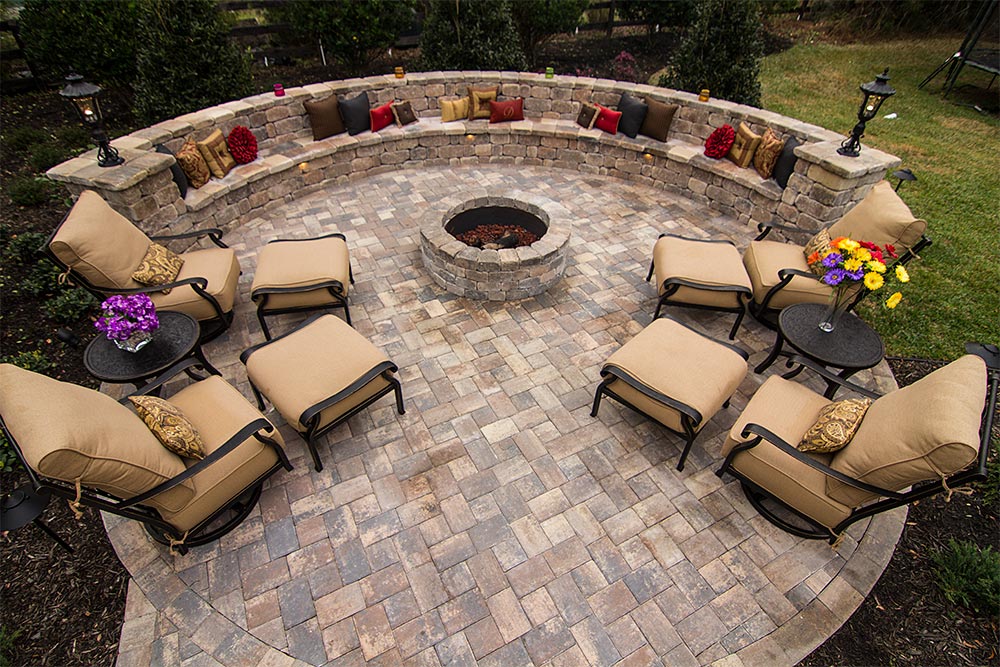
    Paver patio with a round fire pit and lounge chairs

    In the world of commercial and residential property management, the value of an outdoor space is often overlooked until it is time to sell or attract new tenants. At Atlanta Professional Landscaping, we have spent over 30 years observing how property improvements directly influence real estate appeal. Among all hardscaping projects, the installation of a high-quality paver patio stands out as one of the most effective ways to enhance both the functionality and the financial worth of a property. Whether you are managing a commercial complex or looking to boost your home’s curb appeal, understanding the benefits of pavers is essential for any property owner.

    Unmatched Durability and Longevity

    Unlike traditional poured concrete, which is prone to cracking as the ground settles or temperatures shift, paver patios offer superior structural integrity. Because pavers are individual units, they have small joints that allow for slight movement without fracturing. This makes them remarkably resilient in Georgia’s fluctuating climate, where the ground can swell with moisture and contract during dry spells.

    When you choose Atlanta Professional Landscaping to install your patio, you are investing in a surface designed to last for decades. Should a section of the patio ever be damaged by heavy equipment or roots, you do not need to replace the entire slab. Instead, our team can simply remove and replace the specific affected pavers, saving you significant time and maintenance costs in the long run.

    Design Flexibility for Every Aesthetic

    One of the primary advantages of utilizing pavers is the sheer variety of design options available. From natural stone textures that mimic the rugged beauty of the Georgia landscape to clean, modern geometric lines for commercial storefronts, pavers offer a level of customization that concrete simply cannot match. You can select from various colors, patterns, and materials to complement your building’s existing architecture.

    At Atlanta Professional Landscaping, our design experts work closely with you to ensure the patio layout enhances the natural flow of your outdoor living space. By integrating features like seat walls, fire pits, or built-in outdoor kitchen areas, we turn a standard patio into a focal point for social interaction and business hospitality.

    Enhancing Property Value and ROI

    For business owners and homeowners alike, every major outdoor project should be viewed through the lens of return on investment (ROI). A beautifully designed paver patio acts as an extension of your indoor square footage, effectively creating an outdoor boardroom or a leisure space that increases the total usable area of your property. Potential buyers and clients perceive a professionally landscaped and hardscaped environment as a sign of well-maintained assets. By partnering with our experienced installation team, you ensure that your property stands out in a competitive real estate market. We pride ourselves on delivering projects that are not only beautiful but also built to withstand the demands of high-traffic use, ensuring your investment pays dividends for years to come.

    Environmental Considerations and Drainage

    In the Atlanta Metro area, proper water management is critical. Improper drainage can lead to soil erosion and damage to your building’s foundation. Paver patios, when installed with the proper base layers, can provide excellent drainage solutions. By using permeable paver systems, property owners can help reduce surface runoff, allowing water to filter back into the ground rather than pooling on hard surfaces. The team at Atlanta Professional Landscaping specializes in assessing the slope and drainage requirements of your site to ensure that your patio not only looks great but also functions as an integral part of your property’s water management strategy.

    Why Choose Professional Installation?

    While DIY projects can be tempting, the precision required for a long-lasting paver patio is significant. It involves site excavation, proper base compaction, edge restraint installation, and meticulous leveling. Even a small error in the base preparation can lead to uneven settling or weed growth between pavers within just a few seasons.

    With over 30 years of combined experience, Atlanta Professional Landscaping provides the technical expertise necessary to avoid these pitfalls. We manage everything from the initial site consultation to the final cleanup, ensuring your project is completed on time and to the highest industry standards. If you are ready to transform your property, reach out to us for a professional estimate and let us demonstrate how a custom paver patio can elevate your space.

    Looking for help with this in Metro Atlanta (north of I-20)? See our paver patio services or contact us to request an on-site estimate.

  • Choosing the Right Materials for Your Residential Retaining Wall: A Comprehensive Guide

    Choosing the Right Materials for Your Residential Retaining Wall: A Comprehensive Guide

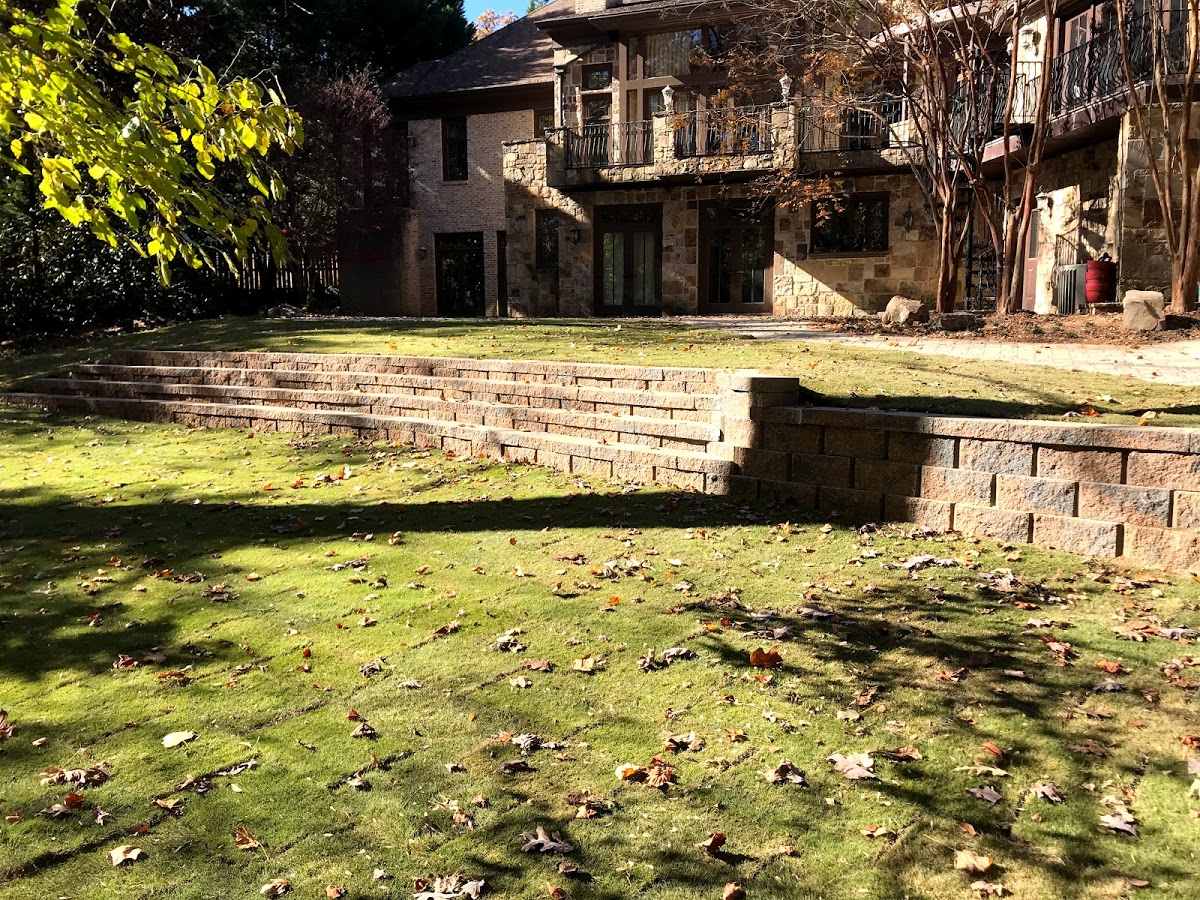
    Tiered block retaining walls in a backyard

    Enhancing Your Property: The Role of Retaining Walls

    A retaining wall is far more than just a decorative feature; it is an essential structural element for any property with uneven terrain. Whether you are aiming to prevent soil erosion, create usable garden space on a sloped lot, or add architectural interest to your landscape, the materials you choose will dictate both the durability and the visual appeal of the finished project. At Atlanta Professional Landscaping, we have spent over 30 years helping homeowners understand that a successful hardscaping project balances structural integrity with aesthetic design. Selecting the correct materials for your residential retaining wall is the most critical decision you will make in the planning process.

    The Importance of Material Selection

    Before selecting a material, it is important to consider the primary purpose of the wall. Are you trying to hold back a massive hillside, or are you creating a raised garden bed for visual appeal? The physical requirements of the project—such as pressure resistance, drainage needs, and longevity—will largely determine which materials are appropriate. Atlanta Professional Landscaping emphasizes that investing in quality materials upfront significantly reduces long-term maintenance costs. Using subpar materials often leads to bowing, cracking, or complete structural failure, which can be far more expensive to repair than to build correctly the first time.

    Popular Material Options and Their Benefits

    1. Natural Stone

    Natural stone is the premier choice for those seeking a timeless, organic look. Because it is a natural product, every stone is unique, allowing for custom patterns that integrate perfectly with the surrounding landscape. From fieldstone to granite, natural stone offers incredible durability. While the installation process is labor-intensive and generally requires the expertise of seasoned professionals like those at Atlanta Professional Landscaping, the result is a long-lasting, high-value asset that enhances the curb appeal of any home.

    2. Segmental Concrete Blocks

    Segmental concrete blocks are perhaps the most versatile and cost-effective solution for modern retaining walls. These manufactured units are designed to interlock, providing built-in stability and ease of installation. Modern concrete blocks come in a wide range of colors, textures, and finishes that can mimic the look of natural stone or wood. They are engineered to handle significant pressure, making them an excellent choice for functional walls that require structural strength. Their modular nature also makes them easy to replace if a single section becomes damaged over time.

    3. Treated Timber or Wood

    For a softer, more rustic aesthetic, many homeowners opt for timber retaining walls. When using pressure-treated wood, these walls can be quite durable, provided they are installed with proper drainage. However, it is essential to remember that wood is organic and will eventually succumb to moisture and pests over decades of exposure. Atlanta Professional Landscaping often suggests timber for smaller garden tiers or raised planters where a more natural, subtle transition is desired rather than a heavy-duty structural load.

    4. Brick and Veneer

    Brick is a classic architectural material that offers a cohesive look if your home is constructed of brick. While beautiful, brick walls often require a solid concrete foundation and careful mortar work to ensure they do not crack under soil pressure. For many, a concrete core with a brick or stone veneer provides the best of both worlds: the structural strength of concrete with the refined finish of premium masonry.

    Crucial Considerations: Drainage and Installation

    Regardless of the material you choose, the most important technical aspect of a retaining wall is drainage. Hydrostatic pressure—the pressure exerted by water trapped behind the wall—is the leading cause of structural failure in residential landscaping. At Atlanta Professional Landscaping, our installers prioritize the integration of drainage pipes and backfill materials like gravel behind every wall we construct. Proper drainage ensures that water is diverted away from the wall structure, allowing the earth to remain stable without pushing against the materials. Ignoring this step, regardless of how expensive or sturdy your chosen material is, will eventually lead to disaster.

    Partnering with Experts

    Building a retaining wall is a significant investment that requires careful planning, engineering knowledge, and skilled labor. By choosing high-quality materials and ensuring proper installation techniques, you can add lasting value and beauty to your outdoor space. If you are uncertain which material best suits your property’s specific grade and style, the team at Atlanta Professional Landscaping is here to help. With decades of experience serving the Atlanta metro area, we have the expertise to guide you through the selection process and deliver a professional result that stands the test of time. Contact us today for an estimate on your next hardscaping project.

    Looking for help with this in Metro Atlanta (north of I-20)? See our retaining wall services or contact us to request an on-site estimate.

  • Choosing the Right Plants for Your Atlanta Garden: Expert Advice

    Choosing the Right Plants for Your Atlanta Garden: Expert Advice

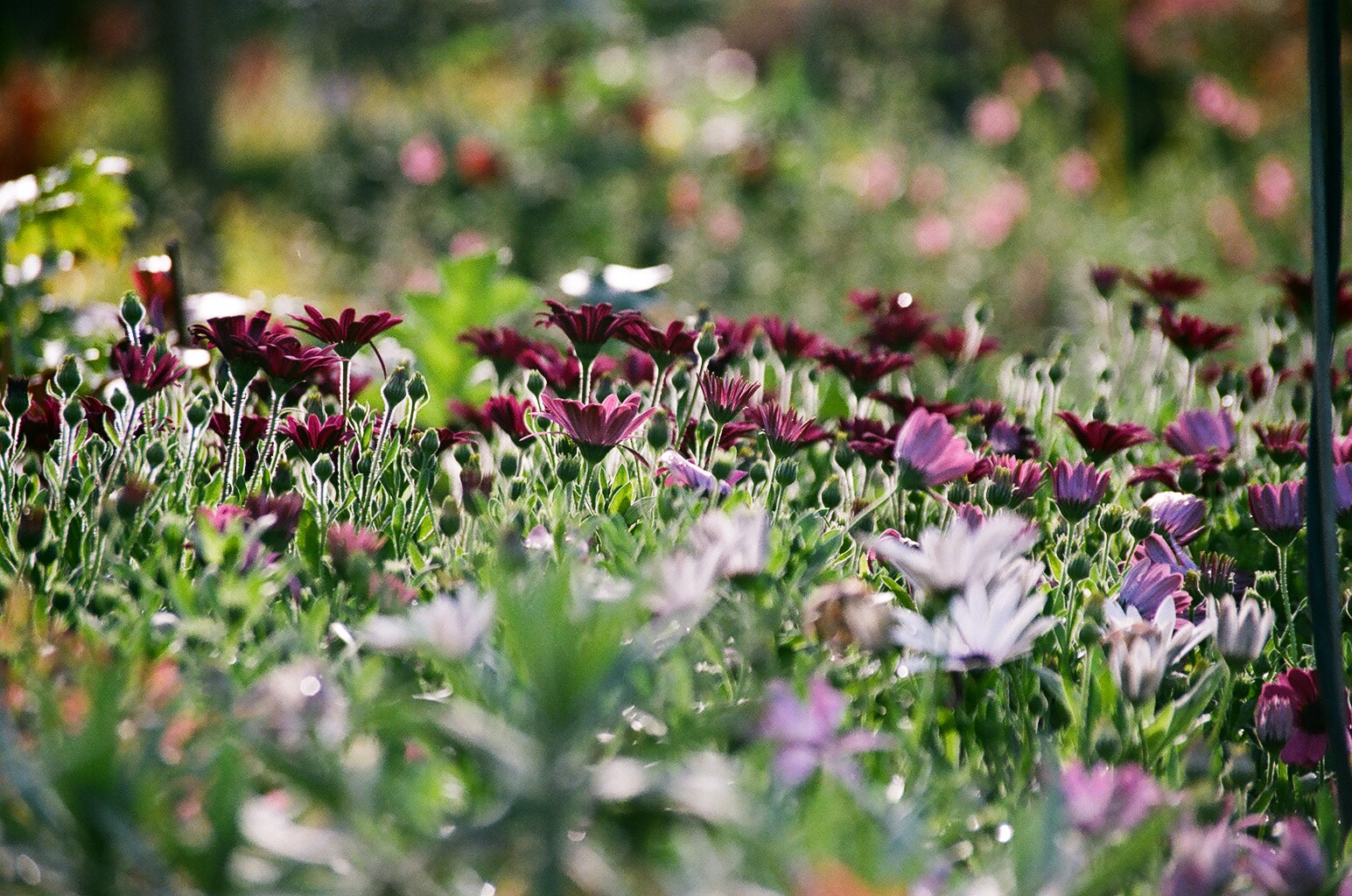
    Close-up of purple and pink flowers

    Choosing the Right Plants for Your Atlanta Garden: Expert Advice

    Creating a beautiful garden in Atlanta is not just about aesthetics but also about making smart choices that promote sustainability, resilience, and easy maintenance. With the city’s unique climate and soil conditions, selecting the right plants is essential for a thriving outdoor space. Atlanta Professional Landscaping has curated expert advice on choosing drought-resistant and native plants that will flourish in your garden. Let’s delve into the essential steps to ensure your garden thrives.

    Understanding Atlanta’s Climate

    Atlanta is characterized by a humid subtropical climate, which brings hot summers and mild winters. These conditions influence plant selection significantly. Understanding the climate can help you select plants that will not only survive but also thrive in your garden.

    Key Climate Factors to Consider:

    • Temperature Variations: Summers can reach high temperatures, while winters are generally mild, allowing for a wide variety of plants.

    • Humidity Levels: High humidity during the summer can lead to fungal diseases; thus, air circulation is crucial when choosing plants.

    • Precipitation: Rainfall patterns can vary. Considering drought-resistant plants can help mitigate water needs.

    Benefits of Choosing Native and Drought-Resistant Plants

    Native plants are those that naturally occur in the region and have adapted over time to the local environment. Drought-resistant plants are also advantageous, as they require less water compared to traditional garden plants. Incorporating both types can lead to a sustainable and low-maintenance garden.

    Advantages of Native Plants:

    • Require less maintenance, as they are well adapted to local soil and climate.

    • Support local wildlife, including pollinators such as bees and butterflies.

    • Enhance biodiversity and contribute to soil health.

    Advantages of Drought-Resistant Plants:

    • Conserve water, making them ideal for eco-conscious homeowners.

    • Lower utility bills due to reduced irrigation needs.

    • Resilient against climate changes and unexpected dry spells.

    Top Drought-Resistant and Native Plants for Your Atlanta Garden

    When selecting plants, it’s useful to choose those that thrive in Atlanta’s diverse growing conditions. Here are some expert-recommended options:

    Native Perennials:

    • Echinacea (Coneflower): A hardy plant that attracts butterflies and is drought-resistant.

    • Rudbeckia (Black-Eyed Susan): Known for its vibrant yellow blooms, this plant is extremely easy to care for.

    • Asclepias (Milkweed): Essential for monarch butterflies, milkweed is a beautiful native choice.

    Drought-Resistant Shrubs:

    • Leucophyllum (Texas Sage): Preferring full sun, this shrub has beautiful purple flowers and is extremely drought-tolerant.

    • Callicarpa (Beautyberry): Known for its striking purple berries, it’s also a great plant for attracting birds.

    • Viburnum: A versatile shrub that can tolerate varying water conditions.

    Groundcovers:

    • Thymus (Creeping Thyme): A fragrant ground cover that helps suppress weeds and is drought-resistant.

    • Sedum (Stonecrop): Beautiful succulent that thrives in poor, dry soil conditions.

    Maintenance Tips for Your Atlanta Garden

    Once you have selected the plants best suited for your landscape, proper maintenance is key to ensuring their long-term health. Here are some best practices:

    Watering:

    • Water deeply but infrequently to encourage root growth.

    • Consider drip irrigation systems to conserve water.

    Soil Health:

    • Conduct soil testing to understand pH and nutrient levels.

    • Amend soil with organic matter to enhance fertility.

    Pruning and Deadheading:

    • Regularly check for dead or diseased foliage and remove it promptly.

    • Deadhead spent blooms to encourage longer flowering periods.

    Professional Support from Atlanta Professional Landscaping

    At Atlanta Professional Landscaping, we are committed to helping you create and maintain a stunning outdoor space. Our team of experts can provide personalized recommendations tailored to your individual preferences and local conditions. Whether you need assistance with selecting the right plants or ongoing maintenance, we offer valuable services to elevate your landscaping projects.

    Choosing the right plants can transform your garden into a thriving oasis in Atlanta’s unique climate. By focusing on native and drought-resistant varieties, you contribute to a more sustainable environment while enjoying the beauty these plants bring. Reach out to Atlanta Professional Landscaping today for more expert advice and to discover how we can assist in making your landscaping dreams a reality.

    Incorporating native and drought-resistant plants into your Atlanta garden is a smart decision that benefits both the environment and your garden’s health. By understanding your local climate and carefully selecting the right plants, you can create a lush, beautiful landscape that thrives year after year. Trust the experience and knowledge of Atlanta Professional Landscaping to guide you in making the best choices for your outdoor spaces.

    Looking for help with this in Metro Atlanta (north of I-20)? See our landscape design and installation services or contact us to request an on-site estimate.

  • Essential Features to Consider for Your Dream Outdoor Kitchen

    Essential Features to Consider for Your Dream Outdoor Kitchen

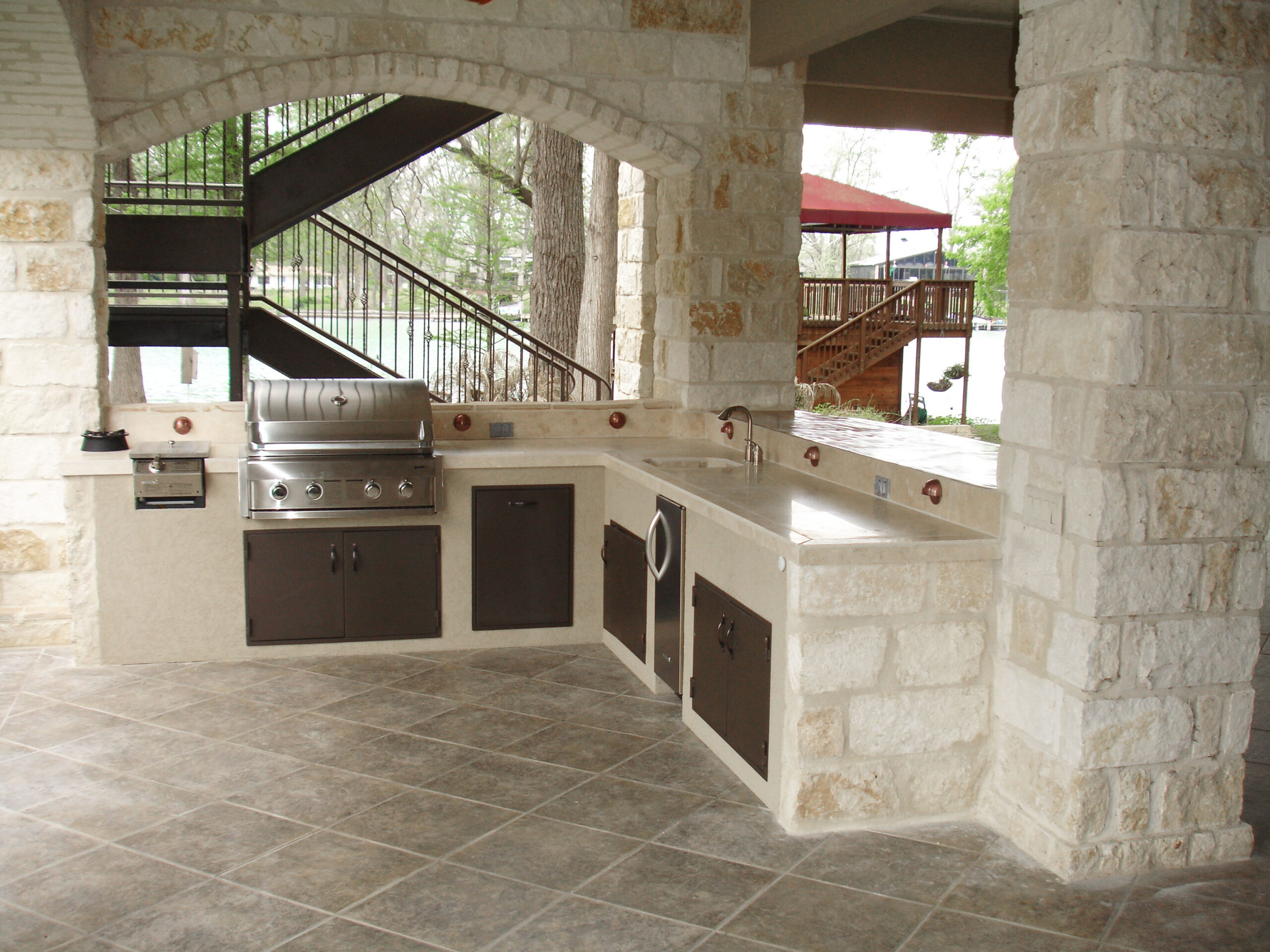
    Covered outdoor kitchen with a built-in grill and stone columns

    Transforming Your Backyard: Essential Features for Your outdoor Kitchen

    As outdoor living spaces become increasingly popular, many homeowners are choosing to create stunning outdoor kitchens. These areas not only enhance the functionality of your backyard but can significantly increase the value of your property. At Atlanta Professional Landscaping, we believe that an outdoor kitchen should reflect your lifestyle and aesthetic preferences while providing a welcoming environment for family and friends. Here are some essential features to consider when designing your outdoor kitchen.

    1. Define Your Kitchen Layout

    The first step in creating an effective outdoor kitchen is to define its layout. Consider your space and the workflow you desire. A practical outdoor kitchen layout often resembles a traditional indoor kitchen, comprising zones for cooking, preparation, and serving. Below are popular layout designs:

    • Linear Layout: This layout is ideal for narrow spaces and keeps everything within arm’s reach, promoting efficiency.

    • U-Shaped Layout: Perfect for larger areas, this setup allows multiple cooks to work simultaneously without stepping on each other’s toes.

    • L-Shaped Layout: This design maximizes corners and provides a clear division between cooking and dining zones.

    Assess your space and decide which layout best complements your backyard design. Our team at Atlanta Professional Landscaping can assist you in deciding which layout suits your available area best while ensuring functionality.

    2. Choose Quality Appliances

    Integrating high-quality appliances is crucial for the longevity and efficiency of your outdoor kitchen. Here are some must-have appliances to consider:

    • Built-in Grill: Opt for stainless steel grills for durability and ease of maintenance. Look for models with multiple burners for diverse cooking options.

    • Refrigeration: A small outdoor refrigerator or built-in cooler keeps beverages and ingredients fresh, making them readily accessible during gatherings.

    • Outdoor Sink: Including a sink can enhance preparation convenience and streamline clean-up.

    Quality appliances may have a higher upfront cost, but investing in reputable brands ensures your outdoor kitchen withstands the elements and remains functional for years.

    3. Counter Space and Storage Solutions

    Having ample counter space is essential for any kitchen, indoors or out. Countertops serve as your primary workspace for food preparation, so consider materials that withstand weather conditions, such as:

    • Granite: Known for its durability and resistance to heat, and it adds a touch of elegance.

    • Concrete: For a modern look, concrete can be molded into any shape and often serves as an affordable option.

    • Tile: Easily customizable, tiles can add color and character to your outdoor kitchen without sacrificing durability.

    Additionally, adequate storage is vital to keep your kitchen organized. Common storage options include:

    • Cabinets: Built-in cabinets can store utensils, dishes, and grilling accessories, keeping everything within reach.

    • Open Shelving: Ideal for displaying decorative items or frequently used items for easy access.

    4. Incorporate Comfortable Seating

    An outdoor kitchen isn’t complete without comfortable seating. Whether it’s barstools at a countertop, benches, or full dining sets, think about what matches your style and seating needs. Consider the following tips:

    • Arranging Seating: Ensure seating areas are positioned to encourage conversation while also being close to the cooking area.

    • Material Durability: Choose weather-resistant materials such as wicker or metal to ensure longevity.

    At Atlanta Professional Landscaping, we can design seating that complements your outdoor kitchen, making it a fun and inviting space for entertainment.

    5. Don’t Forget Lighting and Accessories

    Lastly, adequate lighting and thoughtful accessories can transform your outdoor kitchen into an evening paradise. Consider:

    • Task Lighting: Under-cabinet lights and pendant fixtures facilitate evening cooking.

    • Decorative Lighting: String lights or lanterns can create a cozy ambiance for gatherings.

    • Accessories: Include easy-access serving trays or built-in spice racks for added convenience.

    Creating the outdoor kitchen of your dreams involves careful planning and consideration of essential features that align with your lifestyle. From the layout and quality appliances to seating arrangements and lighting, every aspect plays a significant role in the functionality and beauty of your space. At Atlanta Professional Landscaping, we’re passionate about designing and installing outdoor kitchens that not only meet your needs but also enhance your property’s value. Let us help you transform your backyard into an entertainer’s paradise!

    Looking for help with this in Metro Atlanta (north of I-20)? See our outdoor kitchen services or contact us to request an on-site estimate.

We use cookies to run this site and, with your OK, to understand how visitors use it. See our Privacy Policy.