Category: Uncategorized

  • Don’t Skip These Features for Your Dream Backyard Oasis

    Don’t Skip These Features for Your Dream Backyard Oasis

    Create a stunning, functional, and relaxing outdoor retreat with these essential elements

    Building your backyard oasis is more than just mulch and plants—it’s about crafting an immersive outdoor living space that enhances relaxation, entertainment, and your daily lifestyle.
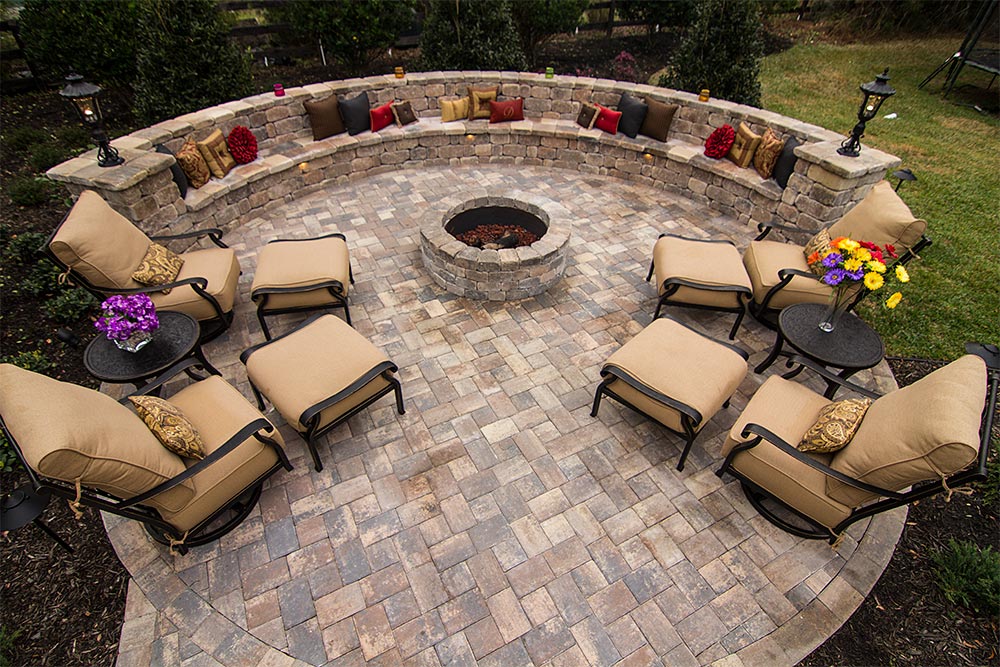
    Paver patio with a round fire pit and lounge chairs

    At Atlanta Professional Landscaping, we help homeowners transform ordinary yards into breathtaking retreats. Here are the must-have features you shouldn’t overlook when designing your dream backyard.

    Layered Landscape Design

    A layered approach creates depth and year-round visual interest:

    • Structural elements like trees and shrubs for privacy and shade

    • Mid-layer plantings—perennials and evergreens—for seasonal beauty

    • Groundcovers, mulch, and stone to fill space and reduce maintenance

    Layering ensures blooms and foliage change with each season, giving your oasis dimension and appeal.

    Functional Outdoor Living Space

    It’s not just about aesthetics—it’s about how you use the space:

    • Patios, decks, or pergolas serve as hubs for gathering and relaxing

    • Outdoor kitchens and fire pits create an inviting atmosphere perfect for entertaining

    • Cozy seating areas with garden benches, swings, or swings make your yard feel like an outdoor room

    We design custom layouts that flow naturally between these zones and your home.

    Water Features That Calm

    The sound of moving water instantly transforms the vibe:

    • Fountains add elegance and a gentle water flow

    • Ponds attract wildlife and add serenity

    • Water walls combine modern design with soothing ambiance

    We help you choose the right water feature based on your style and backyard configuration.

    Ambient Outdoor Lighting

    Extend evenings with layered, functional lighting:

    • Path lights and step markers for safe navigation after dark

    • Accent lighting to highlight trees, architectural elements, or water features

    • String lights and integrated fixtures to enhance ambiance in seating and dining zones

    Professional lighting ensures both safety and style after sunset.

    Built-in Fire & Heat Elements

    Boost year-round usability and comfort:

    • Fire pits or fireplaces for cozy family nights

    • Hardscape fire tables for stylish warmth in patio setups

    • Outdoor heaters or built-in seating with fire bowls for cool-weather functionality

    These features add warmth, literal and social, to your space.

    Smart Plant Selection

    Plant choice influences aesthetics, maintenance, and sustainability:

    • Native and drought-tolerant plants reduce water use and upkeep

    • Seasonally blooming trees and shrubs keep the space lively year-round

    • Edible gardens or herbs not only look great—they taste great, too

    We tailor plant palettes to match your style, sunlight levels, and practical needs.

    Privacy & Shade Solutions

    Comfort starts with shelter from sun and prying eyes:

    • Pergolas with shade cloth or retractable canopies

    • Strategic tree placement for natural canopy

    • Hedges, lattices, or privacy screens for cozy enclosure

    We blend structure and greenery to create your secluded sanctuary.

    Material Harmony & Cohesion

    A cohesive design ties it all together:

    • Complementary paving that matches your home’s architectural style

    • Natural stone selection that connects patios to planting beds

    • Accent materials (like wood or metal) for features such as benches, fences, or pergolas

    The right materials bring unity, style, and a high-end feel to your oasis.

    Designing Your Backyard Oasis With Atlanta Professional Landscaping

    Phase

    What We Do

    Initial Consultation

    Outline your lifestyle, preferences, and functional needs

    Design Stage

    Sketch integrated layouts with lighting, plants, and hardscape

    Material Selection

    Guide you through stone, plant, and water feature choices

    Installation

    Skilled team installs flawlessly and with seasonal timing in mind

    Maintenance & Support

    Seasonal tweaks, pruning, fertilizing, and design updates

    Start Planning Your Backyard Oasis Today

    Why settle for ordinary when your backyard can be extraordinary? At Atlanta Professional Landscaping, we’re passionate about creating vibrant outdoor spaces that feel like an extension of your home—where style, comfort, and nature come together.

    Contact us today to schedule a consultation. Let’s create a backyard you’ll love and live in, for years to come.

    Looking for help with this in Metro Atlanta (north of I-20)? See our outdoor living services or contact us to request an on-site estimate.
  • When a Retaining Wall Might Be Necessary for Your Yard

    When a Retaining Wall Might Be Necessary for Your Yard

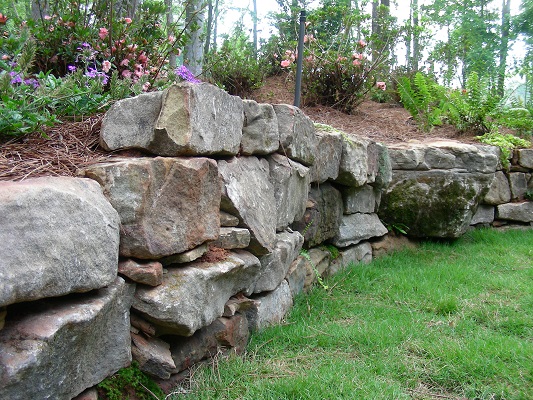
    Stacked boulder retaining wall above a lawn

    If you’re a homeowner in the greater Atlanta area, you already know that Georgia’s unique terrain offers both beauty and challenge. Whether your yard gently slopes or dramatically dips, managing that landscape effectively can mean the difference between a thriving outdoor space and one that’s constantly battling erosion, drainage issues, or unstable ground.

    One of the most practical – and attractive – solutions? A retaining wall.

    But when exactly is a retaining wall necessary? Here’s how to tell.

    Your Yard Has a Noticeable Slope

    Sloped yards are common throughout Metro Atlanta, but they can be difficult to work with when it comes to landscaping. A retaining wall can carve out flat, usable spaces from a steep incline, turning a challenging slope into tiered garden beds, patios, or play areas. It can also prevent soil from washing downhill, especially during heavy rain – which we know isn’t rare in Georgia.

    You’re Experiencing Drainage or Erosion Problems

    Water pooling in certain areas, muddy patches, or shifting soil are red flags. Erosion doesn’t just ruin your landscape – it can also damage foundations, driveways, or nearby structures. Retaining walls help control water runoff and direct it safely away from vulnerable areas. With the right design and materials, a retaining wall acts like a dam, holding back soil and redirecting water where it belongs.

    You Want to Maximize Outdoor Living Space

    A retaining wall can do more than just hold back soil – it can also create visual interest and functional areas. Whether you dream of a level lawn, a cozy fire pit, or a tiered garden, retaining walls make uneven terrain workable. Especially in urban and suburban Atlanta neighborhoods where yard space is limited, they help make the most of every square foot.

    You’re Protecting the Structural Integrity of Your Property

    Homes built on or near slopes may eventually face problems with shifting soil or foundation stress. Installing a properly engineered retaining wall early on can prevent bigger headaches down the line. Think of it as a long-term investment in your property’s stability and safety.

    You’re Looking to Boost Curb Appeal

    Retaining walls aren’t just functional – they can be beautiful, too. At Atlanta Professional Landscaping, we specialize in stone, concrete, and timber walls that enhance the natural beauty of your yard. Whether you’re going for rustic charm or modern elegance, we’ll help you choose a design that complements your home and adds value.

    Is a Retaining Wall Right for You?

    Not every yard needs a retaining wall, but if you’re dealing with slopes, erosion, or want to redesign your outdoor space, it might be time to explore the option. The best way to know for sure is to speak with a local landscaping expert.

    At Atlanta Professional Landscaping, we combine skilled craftsmanship with an eye for design – ensuring every retaining wall we build is both durable and beautiful. Contact us today to schedule a consultation and let’s make your yard work for you.

    Looking for help with this in Metro Atlanta (north of I-20)? See our retaining wall services or contact us to request an on-site estimate.

  • Common Grass Weeds in the Atlanta, GA Area – And How to Prevent Them

    Common Grass Weeds in the Atlanta, GA Area – And How to Prevent Them

    Maintaining a lush, green lawn in Atlanta can be a rewarding challenge—but it’s one that weeds love to take on. Thanks to our warm, humid climate and long growing season, grass weeds thrive in Georgia lawns if left unchecked.

    If you’re seeing some unwanted greenery popping up in your yard, here’s a quick guide to the most common grass weeds in the Atlanta area—and what you can do to stop them in their tracks.

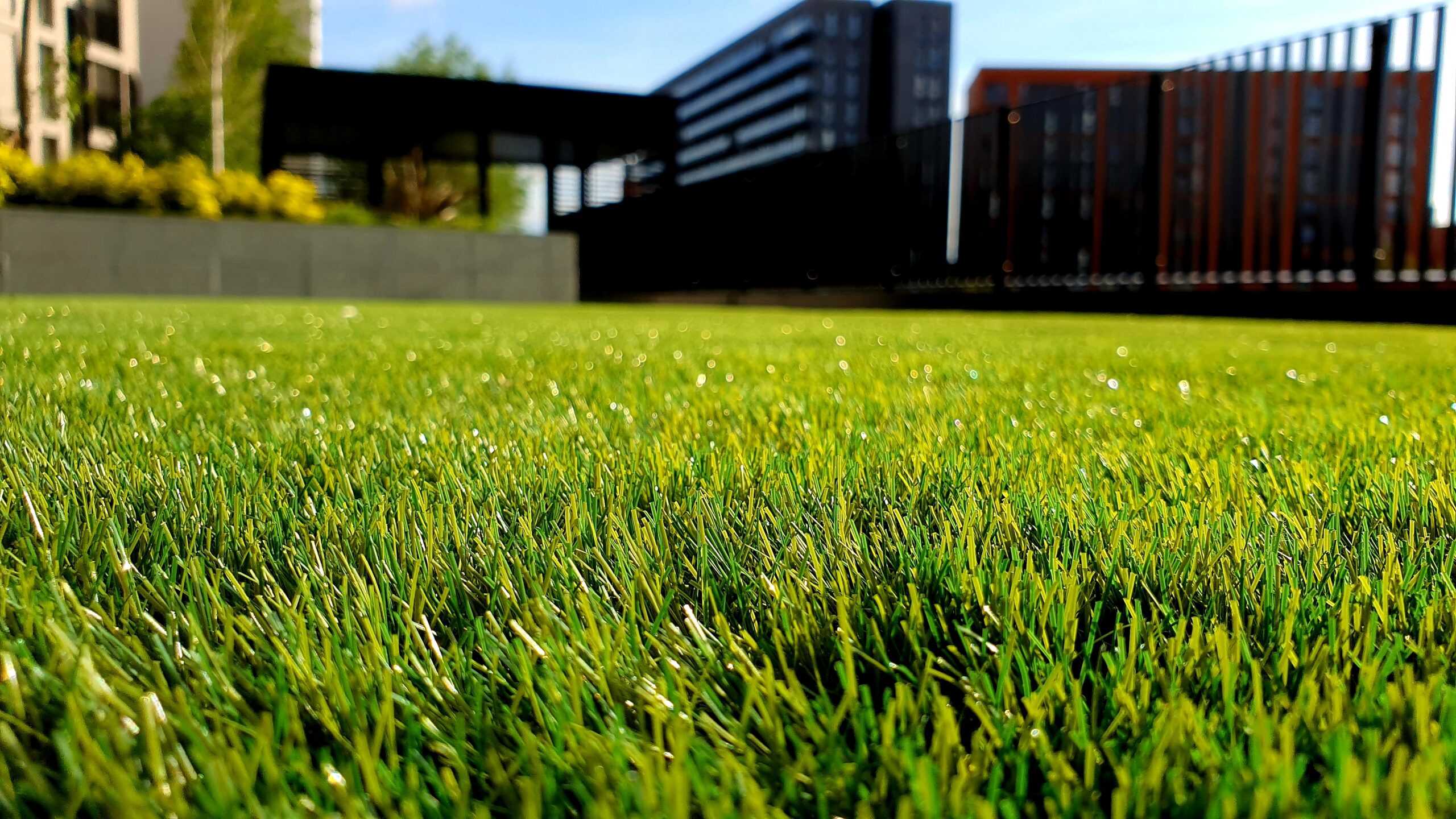
    Close-up of green lawn grass

    Crabgrass

    What it looks like: A summer annual with wide blades and a low-growing, sprawling habit.

    Why it’s a problem: Crabgrass is aggressive and quickly takes over thin or bare spots in your lawn.

    Prevention Tips:

    • Apply a pre-emergent herbicide in early spring (usually by mid-March in Atlanta).

    • Keep your lawn thick and healthy—crabgrass loves open space.

    • Mow your grass at the right height (not too short!).

    Dallisgrass

    What it looks like: Clump-forming perennial with coarse blades and tall, unsightly seed heads.

    Why it’s a problem: It spreads fast and can be difficult to remove once established.

    Prevention Tips:

    • Use post-emergent herbicides labeled for dallisgrass (it often takes multiple applications).

    • Spot treat early when patches are small.

    • Aerate and overseed in fall to thicken turf and crowd out future growth.

    Nutsedge (a.k.a. Nutgrass)

    What it looks like: Bright green, waxy, V-shaped blades that grow faster than your lawn.

    Why it’s a problem: It loves wet or poorly-drained areas and spreads by underground tubers.

    Prevention Tips:

    • Improve drainage in your yard to discourage growth.

    • Pull it early (roots and all) or use a selective herbicide specifically for nutsedge.

    • Avoid overwatering—nutsedge thrives in soggy conditions.

    Annual Bluegrass (Poa Annua)

    What it looks like: Small, bright green clumps with fine blades and small white seed heads.

    Why it’s a problem: It germinates in fall and sticks around through spring, often dying off and leaving bare spots.

    Prevention Tips:

    • Apply a fall pre-emergent (around mid-September in Atlanta).

    • Maintain proper mowing and watering habits to reduce stress on your lawn.

    • Fertilize appropriately to help your turfgrass outcompete weeds.

    Goosegrass

    What it looks like: Flat, rosette-like growth with tough, wide blades.

    Why it’s a problem: It germinates in compacted soil and spreads quickly in summer.

    Prevention Tips:

    • Apply a pre-emergent herbicide before soil temps reach 60°F (usually around March).

    • Aerate compacted soil to improve turf health.

    • Mow regularly and don’t let the grass get too short.

    General Lawn Care Tips for Weed Prevention in Atlanta

    • Fertilize smartly: Follow a seasonal fertilizer schedule appropriate for your grass type (Bermuda, Zoysia, Fescue, etc.).

    • Mow high and often: Taller grass shades out weeds.

    • Water deeply and infrequently: Encourages strong root systems and discourages shallow-rooted weeds.

    • Aerate annually: Loosens soil, improves root growth, and boosts overall lawn health.

    Weeds are tough, but with the right timing and care, your lawn can win the battle. Atlanta’s climate may favor weed growth, but with pre-emergents, smart lawn practices, and a little vigilance, you can enjoy a healthy, vibrant yard all season long.

    Have questions about your specific lawn type or weed problems? Reach out to a local lawn care expert—or drop us a message. We’re here to help your grass stay greener, longer.

    Looking for help with this in Metro Atlanta (north of I-20)? See our lawn and landscape maintenance services or contact us to request an on-site estimate.
  • Choosing the Right Irrigation System for Your Landscape

    Choosing the Right Irrigation System for Your Landscape

    Choosing the right irrigation system for your landscape is a crucial decision that impacts plant health, water efficiency, and maintenance costs. Two popular options are drip irrigation and sprinkler systems, each with its advantages and best-use scenarios. Let’s dive into the details to help you determine which system is the best fit for your landscape.

    Water droplets on a blade of grass

    Drip Irrigation: Precision and Efficiency

    Drip irrigation delivers water directly to the base of plants through a network of tubing and emitters. This method minimizes water wastage by reducing evaporation and runoff, making it an eco-friendly choice.

    Pros:

    • Water Efficiency: Direct application reduces evaporation and runoff.

    • Targeted Watering: Ideal for individual plants, shrubs, and garden beds.

    • Weed and Disease Control: Less moisture on foliage and surrounding soil minimizes weed growth and plant diseases.

    • Customizable: Easily adaptable to different plant needs and soil types.

    Cons:

    • Installation Complexity: Requires precise placement and initial setup.

    • Maintenance: Tubing can clog over time and may require regular checks.

    • Limited Coverage: Not ideal for large lawn areas.

    Sprinkler Systems: Broad Coverage and Convenience

    Sprinkler systems spray water over a large area, mimicking natural rainfall. They are particularly well-suited for lawns, ground cover, and expansive landscapes.

    Pros:

    • Wide Coverage: Efficient for large areas like lawns and athletic fields.

    • Ease of Use: Can be automated with timers for hassle-free watering.

    • Versatility: Different types of sprinkler heads cater to various landscape needs.

    Cons:

    • Water Waste: Prone to evaporation, runoff, and wind drift.

    • Uneven Coverage: May require adjustments to ensure all areas get adequate water.

    • Higher Water Bills: Less efficient compared to drip irrigation.

    Which One Is Right for You?

    The best choice depends on your landscape:

    • For gardens, flower beds, and individual plants, drip irrigation offers precision and water savings.

    • For lawns and large open spaces, sprinkler systems provide the broad coverage needed.

    • In many cases, a combination of both systems can offer optimal results — using drip irrigation for gardens and shrubs, while sprinklers handle lawn areas.

    Ultimately, the right system balances plant needs, water efficiency, and maintenance. Whether you choose drip, sprinkler, or a hybrid system, ensuring proper installation and regular maintenance will keep your landscape thriving.

    Looking for help with this in Metro Atlanta (north of I-20)? See our irrigation and sprinkler services or contact us to request an on-site estimate.

  • The Best Grass Types for Atlanta Lawns

    The Best Grass Types for Atlanta Lawns

    Atlanta’s warm, humid climate provides an ideal environment for lush, green lawns, but choosing the right grass type is essential for long-term success. With hot summers, mild winters, and occasional drought conditions, homeowners need a grass variety that can withstand the region’s unique weather patterns.

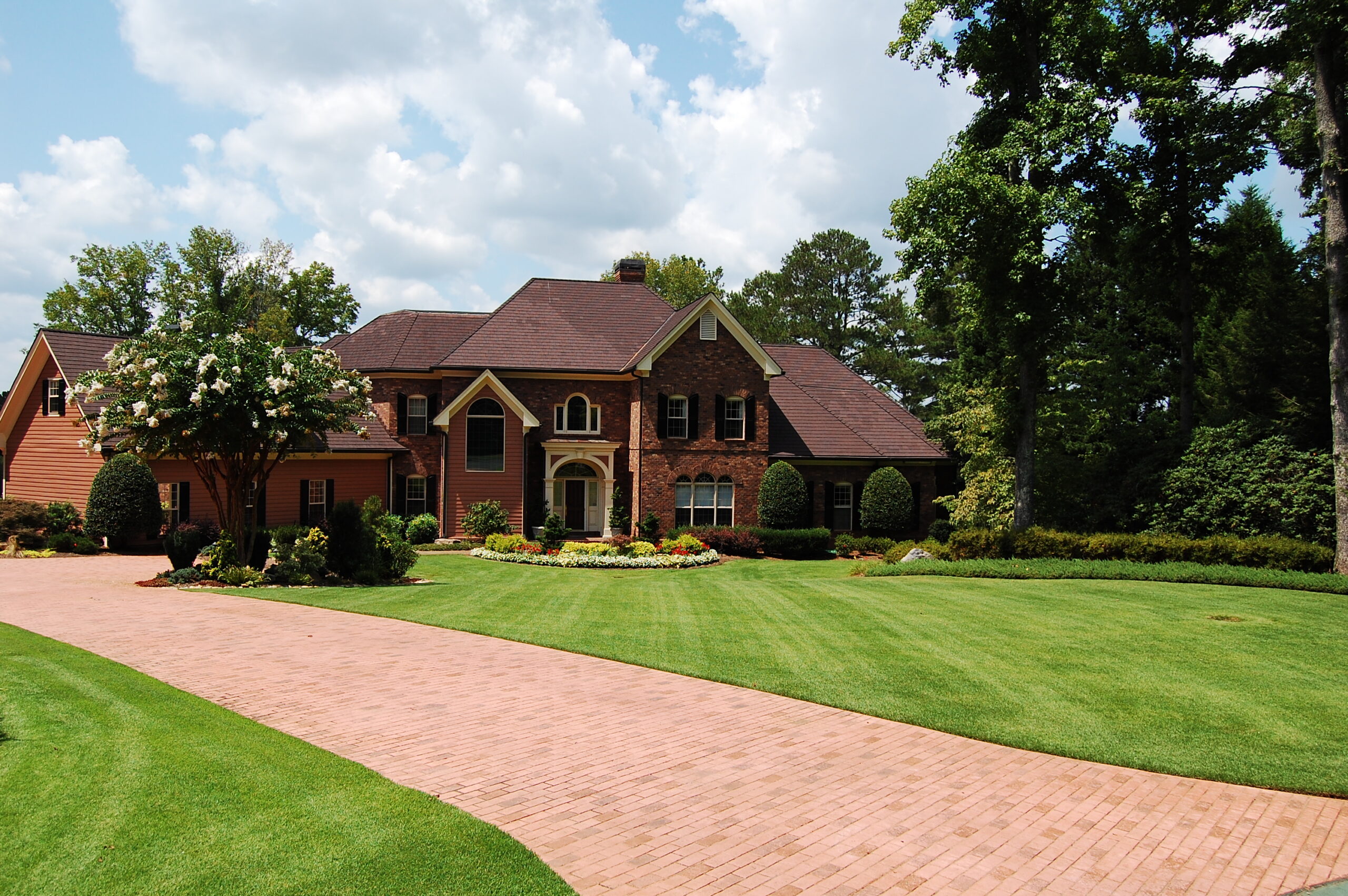
    Brick home with a paver driveway and striped lawn

    Whether you’re starting a new lawn or looking to improve your existing one, here are the best grass types for Atlanta and what makes them well-suited for your yard.

    Bermudagrass – Durable and Heat-Resistant

    Why It’s Great for Atlanta: Bermudagrass thrives in Atlanta’s hot summers and recovers quickly from foot traffic, making it a favorite for residential lawns, golf courses, and sports fields. It’s known for its fine texture and deep green color.

    Pros:

    ✔ Excellent heat and drought tolerance

    ✔ Grows quickly and recovers well from damage

    ✔ Handles heavy foot traffic

    Cons:

    ✖ Requires frequent mowing

    ✖ Can become invasive in garden beds

    Best For: Homeowners looking for a durable, low-maintenance warm-season grass that stays thick and green with proper care.

    Zoysiagrass – Soft, Dense, and Drought-Tolerant

    Why It’s Great for Atlanta: Zoysiagrass provides a soft, carpet-like lawn that feels great underfoot. It is slower to establish than Bermudagrass but requires less maintenance once fully grown. This grass does well in both sunny and partially shaded areas, making it a versatile choice.

    Pros:

    ✔ Excellent drought resistance

    ✔ Thrives in full sun and partial shade

    ✔ Grows thick and helps prevent weed invasion

    Cons:

    ✖ Slow to establish from seed

    ✖ Can develop thatch buildup over time

    Best For: Homeowners wanting a dense, low-maintenance lawn that stays green through summer with minimal watering.

    Centipedegrass – Low-Maintenance and Shade-Tolerant

    Why It’s Great for Atlanta: Centipedegrass is ideal for those who prefer a low-maintenance lawn. It grows slowly and requires less mowing and fertilization than other grass types. Its natural resistance to pests and diseases makes it a hassle-free option.

    Pros:

    ✔ Low fertilizer and mowing requirements

    ✔ Handles partial shade well

    ✔ Naturally resistant to pests and weeds

    Cons:

    ✖ Doesn’t tolerate heavy foot traffic

    ✖ Can be sensitive to cold temperatures

    Best For: Homeowners seeking a simple, low-maintenance lawn that thrives with minimal effort.

    Tall Fescue – The Best Cool-Season Grass for Atlanta

    Why It’s Great for Atlanta:While Atlanta primarily favors warm-season grasses, Tall Fescue is a solid option for those wanting a year-round green lawn. It grows well in cooler months and provides good shade tolerance.

    Pros:

    ✔ Stays green longer than warm-season grasses

    ✔ Tolerates shade better than Bermudagrass and Zoysia

    ✔ Handles foot traffic well

    Cons:

    ✖ Needs frequent watering in summer

    ✖ Grows in clumps, requiring overseeding for a uniform look

    Best For: Homeowners looking for a cool-season grass that stays green throughout the year with proper watering and care.

    Choosing the Right Grass for Your Lawn

    When selecting the best grass type for your Atlanta lawn, consider these factors:

    • Sun vs. Shade: Bermudagrass thrives in full sun, while Zoysiagrass and Centipedegrass handle partial shade better.

    • Foot Traffic: If your lawn sees a lot of activity, Bermudagrass or Tall Fescue are good choices.

    • Maintenance: If you prefer a low-maintenance lawn, Centipedegrass or Zoysiagrass require less frequent mowing and fertilization.

    The key to a healthy, thriving lawn in Atlanta is choosing the right grass type for your needs and maintaining it properly. Whether you opt for the durability of Bermudagrass, the soft feel of Zoysiagrass, the low-maintenance nature of Centipedegrass, or the year-round greenery of Tall Fescue, your lawn can flourish with the right care.

    Looking for expert lawn care advice or help maintaining your Atlanta lawn? Reach out to our team of professionals to keep your grass healthy and vibrant all year long!

    Looking for help with this in Metro Atlanta (north of I-20)? See our lawn and landscape maintenance services or contact us to request an on-site estimate.
  • Why First Impressions Matter: Landscaping as a Marketing Tool

    Why First Impressions Matter: Landscaping as a Marketing Tool

    In the competitive world of business, first impressions often determine whether a potential client walks through your doors or walks away. While companies invest heavily in digital marketing, branding, and advertising, one of the most impactful marketing tools is often overlooked: landscaping. Your business’s exterior appearance can speak volumes to customers before they ever interact with your staff or services. Here’s why landscaping is a powerful marketing tool and how it can elevate your brand.

    Commercial building entrance with landscaped islands

    Curb Appeal Equals Brand Appeal

    The exterior of your property is the first thing visitors see. A well-maintained and thoughtfully designed landscape sends a clear message: your business is professional, organized, and welcoming. Just as you wouldn’t meet a client in a cluttered office, you shouldn’t greet them with an unkempt lawn or overgrown bushes. Investing in your landscape is an investment in your brand.

    A Welcoming Atmosphere Attracts Customers

    Landscaping plays a crucial role in creating an inviting environment. Vibrant flowers, neatly trimmed hedges, and clean pathways can make your business more approachable. For retail spaces, restaurants, and hospitality businesses, a pleasant exterior can significantly increase foot traffic. People are naturally drawn to spaces that are visually appealing and well-kept.

    Landscaping Reflects Attention to Detail

    Every element of your business contributes to your brand’s reputation, and landscaping is no exception. A meticulously landscaped property shows that you care about the details. This perception often extends to how customers view your products or services. If you’re attentive to the outside of your business, it’s easy to believe you’ll bring the same level of care to your work.

    Improves Employee Morale and Productivity

    Landscaping isn’t just for customers. A well-designed outdoor space can improve employee satisfaction by providing a pleasant work environment. Green spaces, shaded areas, and outdoor seating can boost morale and productivity, making your business a more attractive place to work. Happy employees often translate to better customer service, reinforcing your positive first impression.

    Stand Out from the Competition

    In areas where businesses are clustered, a beautifully landscaped property can help you stand out. Unique features like water fountains, sculptures, or seasonal plantings can make your location memorable. Customers are more likely to recall and return to a business that leaves a positive visual impression.

    Seasonal Landscaping Shows You Care

    Updating your landscaping to reflect the seasons demonstrates thoughtfulness and attention to detail. Colorful flowers in spring, festive decorations in winter, or well-maintained foliage in the fall show customers that you’re engaged and active. These small touches can foster a sense of connection and loyalty.

    Eco-Friendly Landscaping Enhances Your Reputation

    Sustainability is a growing priority for many consumers. By incorporating eco-friendly landscaping practices, such as native plants, efficient irrigation systems, or permeable paving, you signal your commitment to the environment. This can be a powerful marketing message for environmentally conscious customers.

    Landscaping as an Extension of Your Marketing Strategy

    Think of your landscape as an extension of your branding. Just as you would choose colors, fonts, and designs that reflect your brand’s identity, your landscaping should align with your business values. For example:

    • A tech company might opt for modern, minimalist landscaping with clean lines and sleek materials.

    • A wellness center could incorporate lush greenery, calming water features, and inviting seating areas.

    • A retail store might use colorful flowers and creative planters to exude energy and vibrancy.

    Partnering with Professional Landscapers

    To maximize the impact of your landscaping, consider working with professional commercial landscapers. They can design, implement, and maintain a landscape that aligns with your business’s goals and brand image. From creating inviting entryways to installing energy-efficient lighting, professionals ensure your landscape remains an asset, not a liability.

    Your landscaping is more than just greenery; it’s a strategic marketing tool that can shape how customers perceive your business. By investing in a well-maintained, thoughtfully designed exterior, you’ll not only attract customers but also build a stronger, more memorable brand. First impressions matter—make sure yours starts with an exceptional landscape.

    Looking for help with this in Metro Atlanta (north of I-20)? See our commercial landscaping services or contact us to request an on-site estimate.
  • Protecting Your Irrigation System from Winter Damage

    Protecting Your Irrigation System from Winter Damage

    As the colder months settle in, your irrigation system requires extra care to ensure it survives the winter unscathed. Freezing temperatures can cause pipes to crack, sprinkler heads to malfunction, and damage that leads to costly repairs come spring. Taking the time to winterize your irrigation system is a critical step in protecting your investment and ensuring your landscaping thrives next year.

    Water droplets on a blade of grass

    Here’s what you need to know about preparing your irrigation system for winter and safeguarding it against damage.

    Why Winterization is Essential

    Water left in your irrigation system can freeze during the winter, leading to expansion and potential damage to pipes, valves, and sprinkler heads. This can result in:

    • Cracked pipes underground

    • Broken sprinkler heads

    • Malfunctioning valves

    • Costly repairs or replacements

    Winterizing your system prevents these issues by ensuring no water remains in the lines or components to freeze and expand.

    Steps to Protect Your Irrigation System

    A. Turn Off the Water Supply

    Start by shutting off the main water supply to your irrigation system. This prevents any additional water from entering the lines during freezing temperatures.

    B. Drain the System

    There are three common methods to drain your irrigation system:

    • Manual Drain Method: Open valves manually to allow water to flow out of the system.

    • Automatic Drain Method: Some systems are designed to drain water automatically when the pressure drops. Check your system’s specifications to see if this applies.

    • Blow-Out Method: Use an air compressor to force any remaining water out of the pipes. This method is highly effective but should be handled by a professional to avoid damage.

    C. Insulate Exposed Components

    Protect above-ground components like backflow preventers, valves, and pipes by wrapping them in insulation or using foam covers.

    D. Check and Store Your Equipment

    Remove sprinkler heads if possible and store them indoors. This prevents them from cracking or being damaged by ice or debris.

    E. Shut Down the Controller

    If your system has an automatic controller, set it to “off” or “rain mode” to prevent it from activating during the winter.

    Common Mistakes to Avoid

    • Waiting Too Long: Don’t delay winterizing your system until freezing temperatures are already here. Early preparation is key.

    • Using the Wrong Air Pressure: If you use the blow-out method, too much air pressure can damage the pipes. Hire a professional if you’re unsure.

    • Forgetting to Insulate: Exposed pipes and components are especially vulnerable to freezing, so don’t skip this step.

    Why Hire a Professional?

    While some homeowners may attempt to winterize their irrigation systems themselves, hiring a professional ensures the job is done thoroughly and correctly. Professionals have the tools and expertise to:

    • Use the blow-out method without damaging your system.

    • Inspect for potential issues that could worsen over winter.

    • Guarantee your system is fully prepared for freezing temperatures.

    Preparing for Spring

    Winterizing your irrigation system isn’t just about preventing damage; it’s also about setting the stage for an easy transition into spring. Proper winterization ensures your system is ready to start up without issues, so you can focus on enjoying a lush, healthy landscape when the warmer weather returns.

    Protecting your irrigation system from winter damage is essential for preserving your landscaping and avoiding costly repairs. By taking the time to winterize your system—or hiring a professional to do it—you’ll extend its lifespan and ensure your yard is ready to thrive in the spring.

    If you need assistance with irrigation system winterization, contact Atlanta Professional Landscaping today. Our experts are here to provide reliable, efficient service, so you can enjoy peace of mind all winter long.

    Looking for help with this in Metro Atlanta (north of I-20)? See our irrigation and sprinkler services or contact us to request an on-site estimate.
  • Building a Functional Outdoor Kitchen: Must-Have Features and Design Tips

    Building a Functional Outdoor Kitchen: Must-Have Features and Design Tips

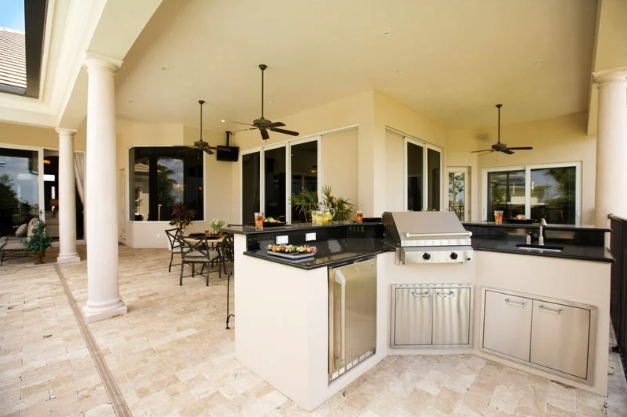
    Creating a functional outdoor kitchen can elevate your backyard into a perfect place for entertaining, cooking, and enjoying the great outdoors. Whether you’re a seasoned chef or just love hosting BBQs with family and friends, a well-designed outdoor kitchen can be a fantastic addition to your home. Here’s everything you need to know about designing an outdoor kitchen that meets your needs and stands the test of time.

    Outdoor kitchen with grill under a covered patio

    Why Build an Outdoor Kitchen?

    An outdoor kitchen offers numerous benefits, including:

    • Enhanced Entertainment: It provides a space to cook, dine, and socialize with guests without having to run back and forth to the indoor kitchen.

    • Increased Home Value: A stylish, well-equipped outdoor kitchen can boost your property’s value and appeal.

    • Improved Outdoor Living Experience: It extends your living space and allows you to enjoy more time outdoors, making it a great investment for those who love alfresco dining.

    Must-Have Features for Your Outdoor Kitchen

    To build a fully functional and enjoyable outdoor kitchen, consider including these essential features:

    1. High-Quality Grill

    The grill is the heart of any outdoor kitchen. Whether you prefer a gas, charcoal, or pellet grill, investing in a high-quality model will ensure better cooking results and longevity. Consider built-in grills for a sleek look or freestanding models for flexibility.

    Tip: Choose a grill with multiple burners to allow for different cooking methods, such as searing, slow cooking, and indirect grilling.

    2. Countertop Space

    Ample countertop space is a must for prepping food, placing utensils, and serving meals. Materials like granite, concrete, and stainless steel are popular choices due to their durability and resistance to the elements.

    Tip: Include at least 12-24 inches of countertop space on each side of your grill for convenient prep and serving areas.

    3. Storage Solutions

    Efficient storage is key to keeping your outdoor kitchen organized. Include cabinets and drawers to store utensils, cookware, and grilling tools. Opt for weather-resistant materials like stainless steel or marine-grade polymer to protect your items from moisture and pests.

    Tip: Install pull-out trash bins and recycling containers for easy waste management.

    4. A Reliable Outdoor Refrigerator

    Having a refrigerator in your outdoor kitchen is incredibly convenient. It keeps drinks cold and food fresh without the need to go inside. Look for models designed specifically for outdoor use, as they are built to withstand varying temperatures and humidity.

    Tip: If you host large gatherings, consider adding a beverage cooler or ice maker for added convenience.

    5. Sinks and Running Water

    A sink with running water is a great addition to any outdoor kitchen, making food prep and cleanup easier. Choose a sink made from durable materials like stainless steel to withstand outdoor conditions.

    Tip: Ensure your sink is connected to a proper drainage system, and consider adding a hot water line for added functionality.

    6. Pizza Oven or Smoker

    For those who want to go beyond basic grilling, adding a pizza oven or smoker can take your outdoor kitchen to the next level. A wood-fired pizza oven can be a fun, unique feature, while a smoker allows you to create delicious, slow-cooked dishes.

    Tip: Choose compact or portable models if you have limited space, or go for built-in options for a seamless look.

    7. Weather Protection

    To protect your investment and make the space more comfortable, consider adding a pergola, awning, or roof. These features provide shade during the day and shelter from rain, allowing you to use your outdoor kitchen in various weather conditions.

    Tip: Install ceiling fans or heaters to make the space more comfortable in extreme weather, extending the usability of your kitchen year-round.

    8. Comfortable Seating and Dining Area

    An outdoor kitchen isn’t complete without a place to sit and enjoy the food. Create a dining area with comfortable seating options like bar stools, lounge chairs, or a dining table. Consider built-in seating for a custom, cohesive look.

    Tip: Choose weather-resistant, easy-to-clean furniture to withstand the elements and reduce maintenance.

    9. Adequate Lighting

    Good lighting is essential for evening gatherings and safe cooking. Consider a combination of task lighting for the cooking area and ambient lighting for the dining and lounge spaces. LED lights, string lights, and lanterns can all contribute to a welcoming atmosphere.

    Tip: Install dimmable lights to create the perfect ambiance for any occasion, from lively barbecues to quiet family dinners.

    10. Entertainment Options

    Adding entertainment features can make your outdoor kitchen the ultimate gathering spot. Consider installing a sound system, outdoor TV, or even a fire pit to enhance the experience. These elements can help create a lively atmosphere for socializing and relaxing.

    Tip: Choose weatherproof models for electronics to ensure they last through various seasons.

    Design Tips for a Functional Outdoor Kitchen

    To make the most of your outdoor kitchen, consider these design tips:

    1. Plan for Workflow Efficiency

    Just like an indoor kitchen, your outdoor space should have a logical layout. The “kitchen triangle” rule—placing the grill, sink, and refrigerator in a triangular layout—can help create an efficient workflow, making cooking and prepping easier.

    2. Choose Durable, Weather-Resistant Materials

    Since your kitchen will be exposed to the elements, opt for materials that can withstand rain, snow, and sun. Stainless steel appliances, stone countertops, and durable outdoor cabinetry will help your kitchen look great and last longer.

    3. Incorporate Natural Elements

    Blending your kitchen with the surrounding landscape can create a seamless and inviting look. Consider using natural stone, brick, or wood in the design to complement the outdoor setting.

    4. Consider Ventilation

    Proper ventilation is crucial, especially if your kitchen is under a covered area. Install a vent hood to help eliminate smoke and cooking odors, keeping the space comfortable and fresh.

    5. Plan for Utilities

    Ensure you have access to necessary utilities like gas, water, and electricity. Work with professionals to properly install these connections and ensure safety.

    Building a functional outdoor kitchen requires careful planning and thoughtful design. By incorporating must-have features like a high-quality grill, ample storage, and durable countertops, you can create a space that is both beautiful and practical. Whether you’re hosting a summer barbecue or a cozy winter gathering, a well-equipped outdoor kitchen can enhance your outdoor living experience and add value to your home.

    Ready to start planning your dream outdoor kitchen? Contact our team of experts today to get started on designing a space that fits your lifestyle and needs.

    Looking for help with this in Metro Atlanta (north of I-20)? See our outdoor kitchen services or contact us to request an on-site estimate.

  • Sod vs. Seeding: What Is Right for You?

    Sod vs. Seeding: What Is Right for You?

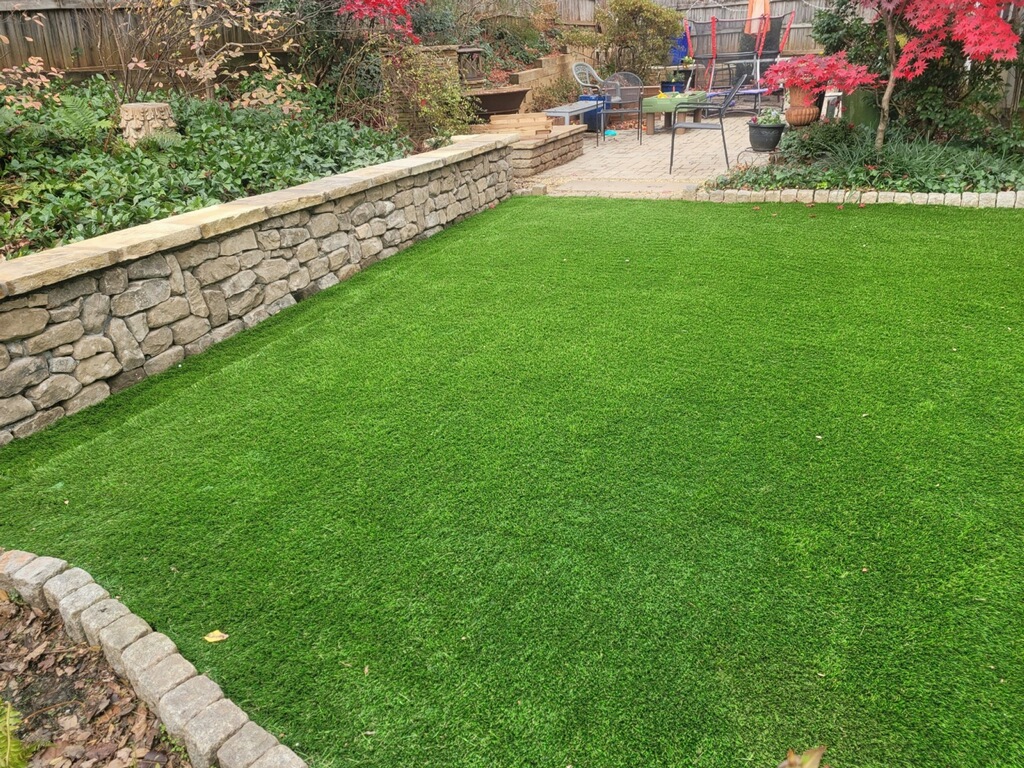
    Lawn bordered by a stone retaining wall and garden beds

    When you’re looking to create a lush, green lawn, there are two main options: laying sod or planting seeds. Both methods can transform your yard into the beautiful lawn you’ve always wanted, but each comes with its own set of advantages and challenges. Whether you’re starting from scratch or trying to revitalize an existing lawn, understanding the differences between sod and seeding can help you make the right choice.

    In this blog, we’ll explore the pros and cons of sod vs. seeding to help you decide which option is best for your landscape.

    Sod: Instant Results but Higher Costs

    What is Sod?

    Sod is pre-grown grass that is harvested in rolls or squares with a layer of soil and roots intact. It is essentially ready-made grass that can be laid down in your yard for an instant lawn.

    Advantages of Sod:

    • Instant Lawn: One of the biggest benefits of sod is that it provides an instant, green lawn. Within a day, you can go from bare soil to a beautiful yard.

    • Fast Usability: Sod can establish quickly, meaning you can walk on it and use your lawn within just a few weeks of installation.

    • Erosion Control: If you live in an area prone to erosion or have slopes in your yard, sod is an excellent solution because it holds the soil in place and prevents erosion.

    • Weed-Free: High-quality sod is grown under controlled conditions, meaning it’s free of weeds when installed, reducing the time and effort spent on weeding.

    Disadvantages of Sod:

    • Higher Cost: Sod is significantly more expensive than seed. The upfront costs include not just the price of the sod but also the labor or equipment needed for proper installation.

    • Limited Choices: When choosing sod, your grass type options may be limited based on the supplier and region. With seeding, you can choose specific grass types that may better suit your yard’s conditions.

    • Installation Skill: Sod requires proper soil preparation and careful installation to ensure good root establishment. If not laid correctly, sod can dry out and fail to root, leading to patchy or dead spots.

    Seeding: Affordable and Customizable, but Slower

    What is Seeding?

    Seeding involves spreading grass seed directly on the soil, allowing the grass to grow naturally from the ground up. This option requires more patience but is often more budget-friendly.

    Advantages of Seeding:

    • Lower Cost: Seeding is much cheaper than sod, making it an attractive option for homeowners on a budget. While it takes more time to grow, the initial cost savings can be significant.

    • Wide Variety of Grass Types: Seeding allows you to choose the exact grass type or blend that’s ideal for your soil, climate, and yard conditions. Whether you need drought-resistant grass, shade-tolerant varieties, or something for high-traffic areas, seeding gives you flexibility.

    • Better Root Development: Grass grown from seed tends to develop deeper roots than sod, making it hardier and more drought-tolerant in the long run.

    • DIY-Friendly: Seeding is easier for most homeowners to do themselves without needing specialized tools or professional help, making it a good option for DIY enthusiasts.

    Disadvantages of Seeding:

    • Takes Time: Unlike sod, which offers instant results, seeded lawns can take weeks or even months to fully grow in. It requires patience and ongoing care, including regular watering and protection from heavy foot traffic.

    • Vulnerability to Weeds: Seeded lawns are more vulnerable to weed growth. You’ll need to be diligent about weeding during the initial stages of growth to prevent weeds from overtaking your grass.

    • Weather-Dependent: Successful seeding requires optimal weather conditions, such as mild temperatures and consistent moisture. Late spring or early fall is typically the best time for seeding, so timing is critical.

    Which Option is Right for You?

    The decision between sod and seeding comes down to your specific needs, budget, and timeframe. Here are some key considerations to help you choose the right option for your lawn:

    • Budget: If you’re looking for a cost-effective way to grow a lawn and don’t mind waiting, seeding is the better option. For those who can afford the higher cost and want immediate results, sod is worth the investment.

    • Timeframe: If you need an instant lawn—perhaps you’re preparing for a backyard event or just don’t want to wait—sod is the clear choice. If time is not a factor, seeding allows you to grow your lawn naturally and with more options for customization.

    • Lawn Use: If you have kids, pets, or high foot traffic areas, you may want a lawn that’s usable sooner. Sod establishes more quickly and can handle wear and tear faster than seed. On the other hand, if your lawn is more ornamental or won’t be heavily used right away, seeding might be just fine.

    • Customization: If you want to select a specific grass type based on your climate, soil type, or lawn conditions, seeding gives you more control. Sod may limit your grass options to what’s available from local suppliers.

    • Lawn Size: If you’re dealing with a large area, seeding may be more practical from a cost standpoint. For smaller areas or for patching an existing lawn, sod can offer quicker results.

    Both sod and seeding have their unique advantages and drawbacks, so the right choice depends on your budget, timeline, and lawn needs. Sod offers instant gratification but at a higher cost, while seeding requires patience and care but is more affordable and customizable.

    Whether you choose sod or seeding, maintaining a healthy lawn requires proper preparation, regular watering, and ongoing care. Whichever option you go with, your beautiful lawn is just a few steps away!

    Looking for help with this in Metro Atlanta (north of I-20)? See our sod installation services or contact us to request an on-site estimate.

  • Lawn Prep for the Fall Season in Atlanta: A Guide for Healthy Turf

    Lawn Prep for the Fall Season in Atlanta: A Guide for Healthy Turf

    As the hot summer days begin to wane and fall approaches, it’s time to shift your lawn care routine. In Atlanta, the fall season is the perfect time to give your lawn the attention it needs to thrive through winter and come back strong in the spring. Prepping your lawn now will not only keep it looking good during the cooler months but also ensure a lush, healthy lawn for next year.

    Here’s a comprehensive guide on how to prepare your lawn for fall in Atlanta.

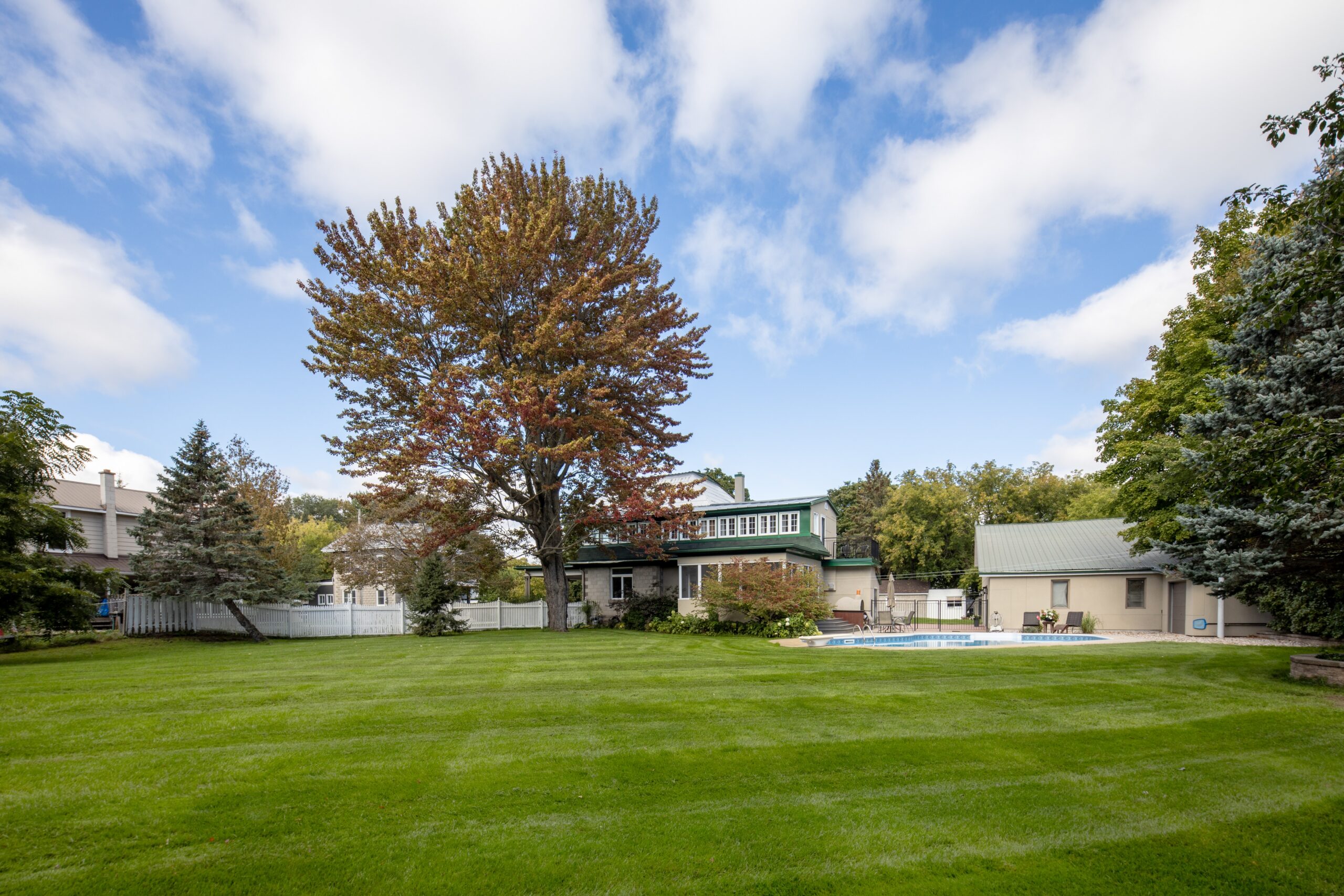
    Large backyard lawn with a mature tree

    Aerate the Soil

    With Atlanta’s hot, humid summers, soil often becomes compacted from foot traffic, heavy rainfall, and dry spells. Aeration is a key step in fall lawn care that helps break up compacted soil, allowing water, nutrients, and oxygen to penetrate deep into the roots. This boosts root health and encourages stronger growth. Core aeration is particularly effective, where plugs of soil are removed to create space for grass roots to grow.

    Tip: Early fall is ideal for aeration, as it allows time for your lawn to recover before winter.

    Overseed for Thicker Grass

    If your lawn has thin or patchy areas, fall is the time to overseed. In Atlanta, cool-season grasses like fescue thrive when planted in the fall. The cooler temperatures and increased moisture create optimal conditions for seed germination. Overseeding not only fills in bare spots but also increases the overall density of your lawn, making it more resistant to weeds.

    How to overseed: After aerating your lawn, spread grass seed evenly over the existing turf. Water the area regularly to promote seed germination.

    Fertilize for Nutrient Boost

    After the stress of summer, your lawn needs a nutrient boost to recover and prepare for winter. Applying a slow-release fertilizer in early fall replenishes nutrients that were depleted during the hot months. This helps strengthen root systems and encourages growth before the grass goes dormant.

    Choose the right fertilizer: Look for a balanced fertilizer with a higher potassium content (the third number on fertilizer bags). Potassium promotes root strength and prepares your lawn for the colder months.

    Adjust Mowing Height

    As the temperature begins to drop, it’s important to adjust your mowing height. Gradually lower the height of your mower blades by about ½ inch. This helps prevent fungal diseases that thrive in longer, moist grass during cooler weather. However, don’t cut it too short, as grass still needs enough leaf surface to absorb sunlight for photosynthesis.

    Tip: Maintain a mowing height of about 2 to 3 inches for most Atlanta lawns in the fall.

    Control Weeds

    Weeds can be particularly aggressive in the fall as they attempt to store energy for winter. Applying a pre-emergent herbicide in early fall can help prevent winter weeds like chickweed and annual bluegrass from sprouting. Additionally, spot-treat any existing weeds with a post-emergent herbicide to keep your lawn healthy.

    Note: Be cautious when using herbicides after overseeding, as they can prevent new grass from establishing.

    Water Wisely

    Even though temperatures are cooler, your lawn still needs regular watering in the fall. However, overwatering can lead to fungal growth and other diseases. Aim to water your lawn early in the morning, about once or twice a week, depending on rainfall. A deep, thorough watering promotes strong root growth without oversaturating the soil.

    Clear Debris and Leaves

    Fallen leaves can smother your grass if left to accumulate. Regularly rake or blow leaves off your lawn to allow sunlight and air to reach the grass. Clearing debris also helps reduce the risk of fungal diseases that thrive in wet, shaded conditions. If you have a mulching mower, consider chopping up the leaves and letting them decompose into the lawn as organic matter.

    Consider Dethatching

    Thatch is a layer of dead grass, roots, and debris that can build up over time and prevent water and nutrients from reaching the soil. If your lawn has a thick layer of thatch (more than ½ inch), fall is a good time to dethatch. Use a dethatching rake or hire a professional service to remove this layer and give your grass room to breathe.

    Prepare for Dormancy

    As the fall season comes to an end, many warm-season grasses in Atlanta, like Bermuda or Zoysia, will begin to go dormant. During this time, reduce mowing frequency and avoid heavy foot traffic on the lawn to prevent damage. While it may look brown, your lawn is simply resting and preparing for a healthy revival in the spring.

    Fall is the ideal season for lawn prep in Atlanta, providing the perfect balance of cooler temperatures and rainfall to encourage healthy growth. By following these steps—such as aerating, overseeding, fertilizing, and maintaining proper watering and mowing habits—you’ll ensure a lush, green lawn come spring.

    Taking care of your lawn in the fall will pay off when warmer weather returns, making your yard the envy of the neighborhood!

    Looking for help with this in Metro Atlanta (north of I-20)? See our lawn and landscape maintenance services or contact us to request an on-site estimate.

We use cookies to run this site and, with your OK, to understand how visitors use it. See our Privacy Policy.