Category: Uncategorized

  • When River Rock is a Great Fit for Your Landscaping

    When River Rock is a Great Fit for Your Landscaping

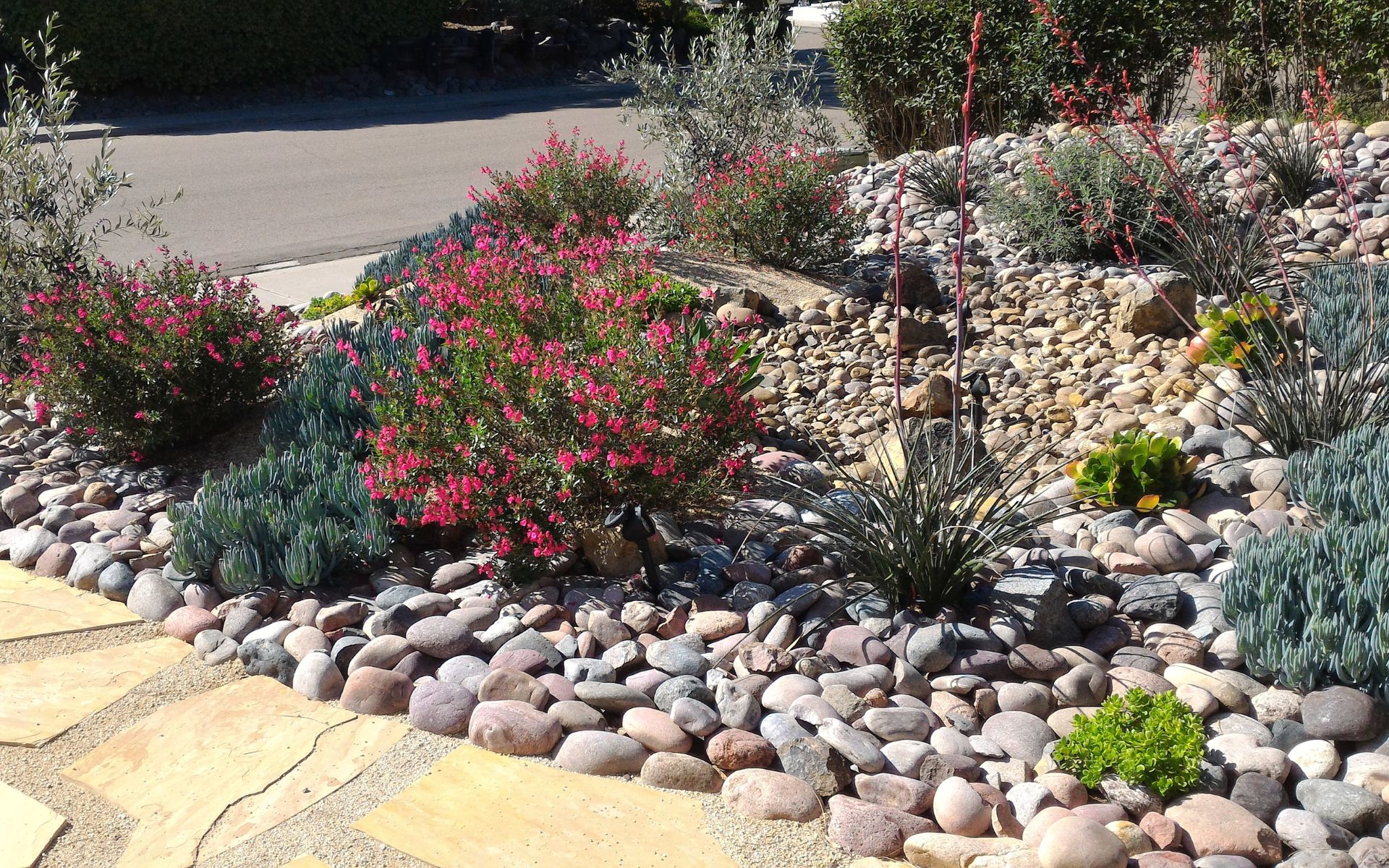
    Beautiful River Rock Landscape Features

    When designing a beautiful and functional outdoor space, choosing the right materials is crucial. One such material that has gained popularity in landscaping projects is river rock. Known for its natural aesthetic and durability, river rock is a versatile option that can enhance the beauty of any landscaping project. In this article, we explore when river rock is a great fit for your landscaping, offering insights to help you make informed decisions for your outdoor space. With the expertise of Atlanta Professional Landscaping, we will guide you through the best uses and advantages of incorporating river rock into your landscape design.

    What is River Rock?

    River rock refers to smooth, rounded stones that are typically found in riverbeds. They come in various sizes and colors, making them suitable for different landscaping applications. These stones are primarily composed of naturally weathered pebbles and are often utilized for pathways, garden beds, and decorative features.

    Advantages of Using River Rock in Landscaping

    There are several advantages to using river rock in your landscaping projects. Below, we highlight some of the key benefits that make river rock a standout option:

    • Durability: River rocks are naturally resilient. They do not break down or decompose over time, making them ideal for long-lasting landscaping features.

    • Low Maintenance: Unlike organic mulch, which may require frequent replacement and can attract pests, river rock is virtually maintenance-free. Regular cleaning may be needed, but they do not need to be replaced like traditional mulching materials.

    • Aesthetic Appeal: The natural look of river rock adds a touch of elegance to any landscape. The varied colors and sizes available allow for creativity when designing outdoor spaces.

    • Weed Control: Using river rock as ground cover can help suppress weed growth, reducing the need for manual weeding and further maintenance.

    • Effective Drainage: River rocks provide excellent drainage for garden beds and pathways. Their porous nature allows water to flow freely, preventing potential erosion or flooding issues in your landscape.

    When to Use River Rock in Your Landscaping

    While river rock is a versatile material, it is not always the best choice for every landscaping scenario. Here are some situations where incorporating river rock would be especially beneficial:

    1. Decorative Pathways

    If you are looking to create a beautiful and natural pathway in your garden, river rock is an excellent option. You can use a mix of various sizes for texture and interest, guiding visitors through your outdoor space. Atlanta Professional Landscaping can assist in designing a pathway that balances aesthetics with function.

    2. Garden Beds

    River rock makes for great ground cover in garden beds. Not only does it enhance the visual appeal, but it also helps with drainage and weed control. Plus, you can choose colors that complement your plants and overall landscape.

    3. Water Features

    For homeowners with ponds or fountains, using river rock around these features can create a cohesive design. The rounded stones mimic the natural occurrences in riverbeds, adding to the overall ambiance of the area.

    4. Erosion Control

    For sloped landscapes, river rock can be an effective means of controlling erosion. When strategically placed, these stones can help slow down water runoff, safeguarding your soil from being washed away during heavy rains.

    Enhancing Your Landscape with River Rock

    River rock is a highly adaptable material that can significantly enhance the beauty and functionality of your landscape. Its durability, low maintenance requirements, and aesthetic appeal make it an excellent choice for various applications, from pathways to decorative elements and erosion control.

    The expert team at Atlanta Professional Landscaping is adept at integrating river rock into your landscaping project, ensuring that it complements your overall design vision while meeting your practical needs. If you’re considering river rock for your next landscaping project, contact us for personalized advice and professional installation. Transform your outdoor space into a serene and inviting haven with the right materials!

    Looking for help with this in Metro Atlanta (north of I-20)? See our hardscaping services or contact us to request an on-site estimate.
  • Essential Garden Bed Materials to Consider for Your Landscape

    Essential Garden Bed Materials to Consider for Your Landscape

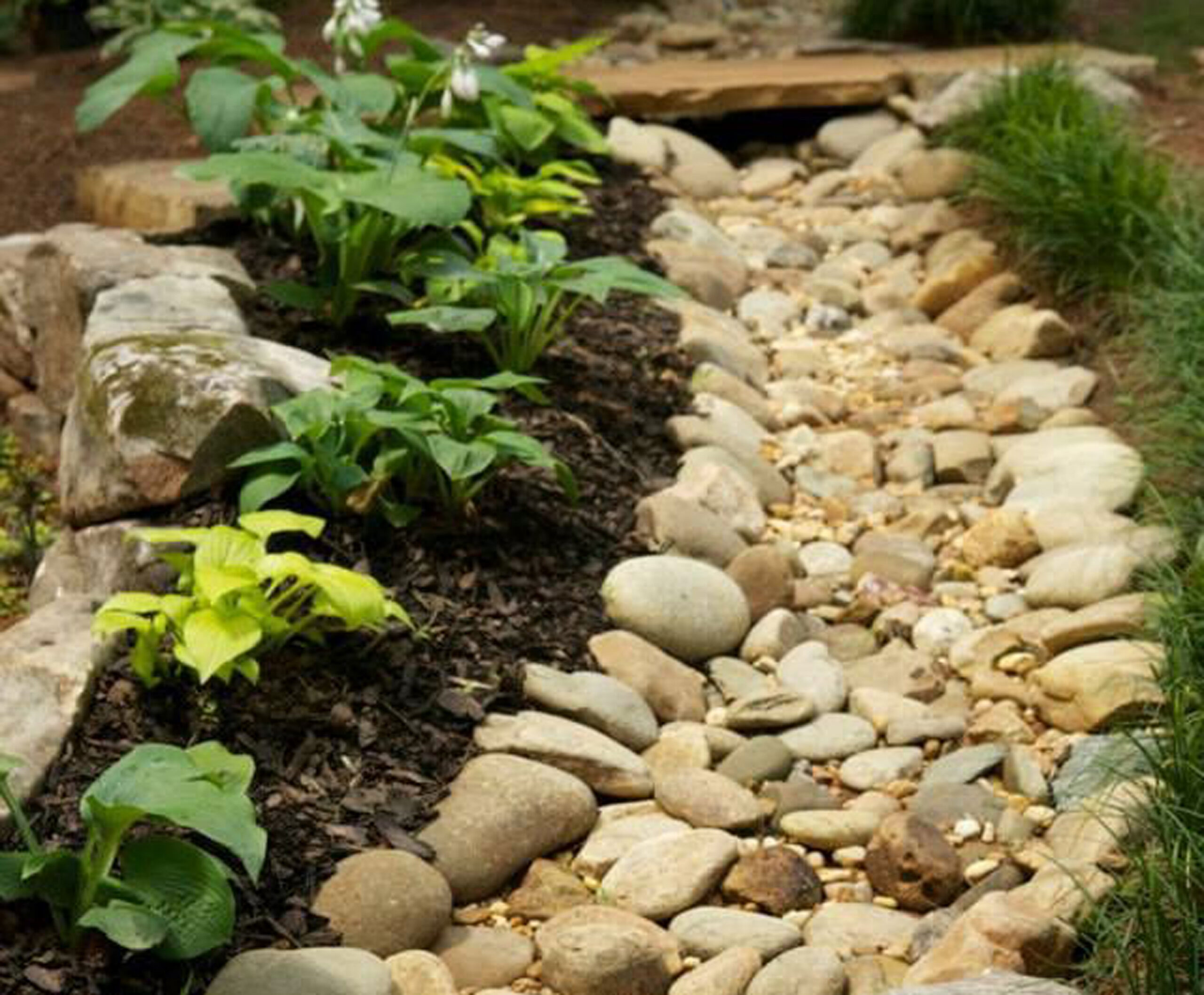
    A Landscape Crafted from a Variety of Garden Bed Materials Such as Stone, Wood, Fabric & Composites

    Creating a stunning garden bed is one of the most enriching experiences for homeowners and businesses looking to enhance their outdoor spaces. However, selecting the right materials for your garden beds is crucial to ensure durability, functionality, and aesthetics. In this post, we’ll discuss the essential materials you should consider for your garden beds, helping you make informed choices for your landscape projects.

    1. Wood: The Classic Choice

    Wood has long been a popular material for garden beds. Its natural appearance blends seamlessly with most landscapes, offering a rustic charm. However, it’s important to choose the right type of wood to ensure longevity:

    • Cedar: Naturally resistant to rot and insects, cedar is an excellent option for garden beds. It can last for over a decade without chemical treatment.

    • Redwood: Similar to cedar, redwood is durable and aesthetic, making it a great choice for raised beds.

    • Pressure-Treated Lumber: While cost-effective, be cautious with pressure-treated wood because it can contain chemicals that may leach into the soil.

    At Atlanta Professional Landscaping, our team can help ensure that your wooden garden beds are constructed correctly, providing both beauty and longevity.

    2. Stone: An Elegant Option

    Stone can add a sophisticated look to your garden beds. It comes in various forms, including:

    • Fieldstone: This natural stone is irregularly shaped, providing a casual, organic look.

    • Bricks: Bricks can provide a more structured and formal garden bed appearance. They are durable and can be laid out in various patterns.

    • Flagstone: Known for its large flat pieces, flagstone creates a unique aesthetic while providing a stable base.

    Stones are not only aesthetically pleasing but also help retain moisture in the soil, which is crucial for the hot summers in Atlanta. Atlanta Professional Landscaping excels in integrating stone features that bring both beauty and practicality to your outdoor spaces.

    3. Composite Materials: The Modern Solution

    Composite materials are gaining popularity for their durability and low-maintenance requirements. Made from recycled wood and plastic, composite boards do not rot and do not require staining or sealing, making them hassle-free.

    • Durability: Composite materials can withstand moisture and harsh sunlight, ensuring that your garden beds maintain their integrity over time.

    • Eco-Friendly: Using recycled materials is a sustainable option, appealing to environmentally conscious homeowners.

    For businesses looking to promote sustainability, choosing composite materials for your garden beds can showcase your commitment to eco-friendly practices.

    4. Concrete: Strength and Stability

    Concrete garden beds offer unparalleled strength and durability. Although they can be more expensive and require professional installation, their longevity is unmatched. Here are some advantages of using concrete:

    • Customizable Shapes: Concrete can be molded into decorative shapes, allowing for unique designs.

    • Wind and Pest Resistant: Concrete beds can withstand harsh weather conditions and deter pests effectively.

    • Long-lasting Investment: Once installed, concrete beds rarely need replacement, making them a worthwhile investment.

    At Atlanta Professional Landscaping, our expert team can assist with designing and installing decorative concrete garden beds that enhance the beauty and function of your property.

    5. Fabric: The Innovative Choice

    Landscape fabric is often overlooked, but it serves a crucial purpose in garden bed construction. Using landscape fabric as a liner helps prevent weeds while allowing water and nutrients to penetrate the soil. Here are some benefits:

    • Weed Prevention: Fabric keeps unwanted plants at bay, reducing maintenance time.

    • Soil Aeration: It fosters healthy root growth by allowing air to reach the soil.

    • Moisture Retention: Landscape fabric helps regulate moisture levels in the bed, promoting healthy plant growth.

    Combining landscape fabric with other materials is an effective way to enhance your garden beds. Our team at Atlanta Professional Landscaping can guide you in finding the right balance between materials to optimize your garden’s performance.

    Conclusion

    When it comes to building garden beds, the choice of materials is paramount for achieving aesthetic appeal and garden health. Whether you opt for the classic charm of wood, the elegance of stone, the modern benefits of composites, the strength of concrete, or the innovation of fabric, Atlanta Professional Landscaping is here to assist you throughout the process. With over 30 years of experience, our expert team can help you select the right materials tailored to your needs, ensuring your outdoor spaces are not only beautiful but also functional for years to come. Contact us today for a consultation and transform your landscape into the outdoor paradise you’ve always envisioned.

    Looking for help with this in Metro Atlanta (north of I-20)? See our landscape design and installation services or contact us to request an on-site estimate.

  • Types of Irrigation Systems

    Types of Irrigation Systems

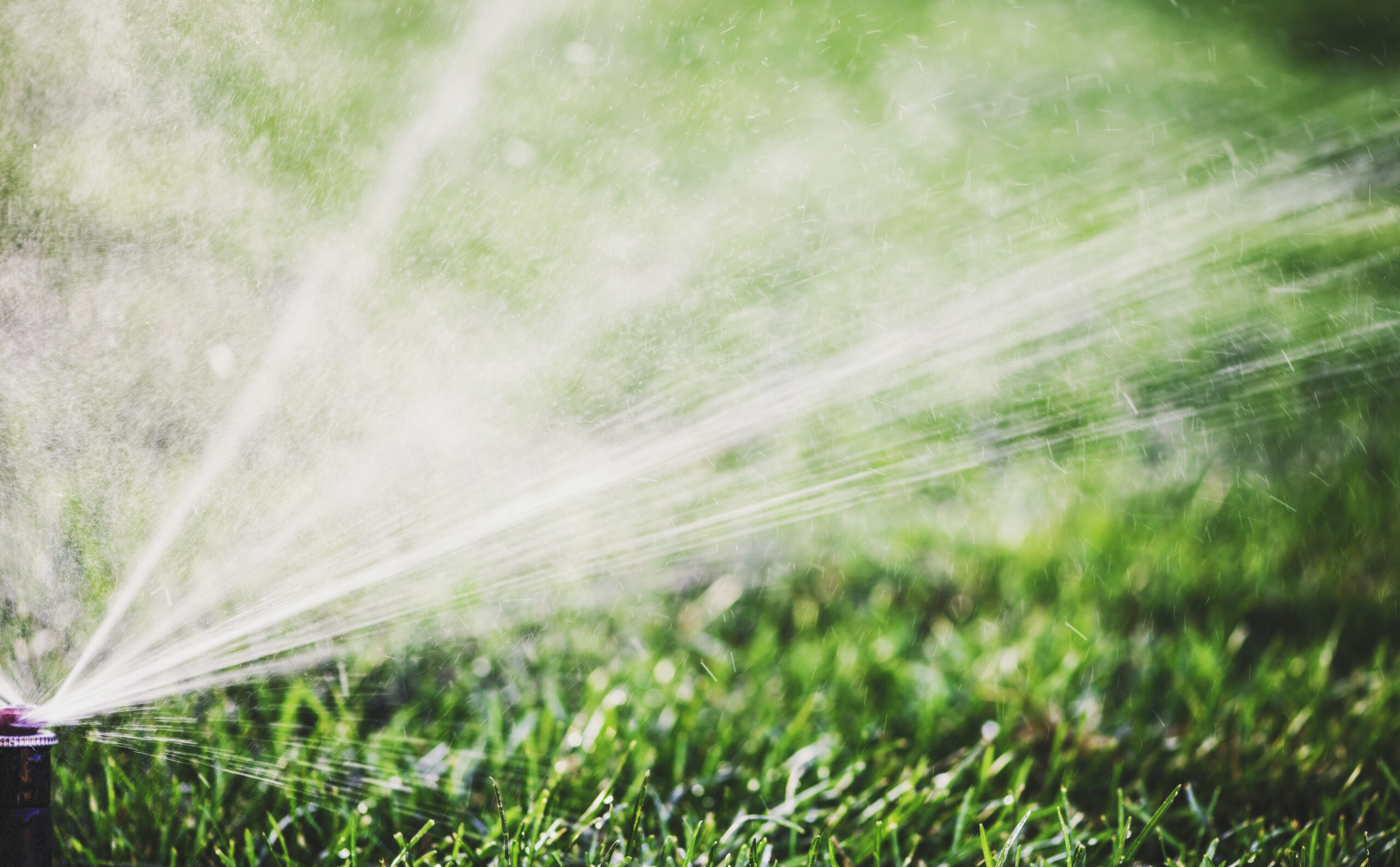
    A Green Grass Lawn Being Watered by an Automatic Sprinkler System

    Keeping your lawn and landscape properly watered is essential in the Atlanta area’s warm climate. The right irrigation system can help your grass, gardens, trees, and plantings thrive — while conserving water and saving you time and effort.

    Below are the most popular types of irrigation systems used on residential and commercial properties, with insights to help you choose the best option for your yard.

    Automatic Sprinkler Systems

    Sprinkler systems are the most common choice for lawns and larger landscapes. They consist of an underground network of pipes that deliver water to sprinkler heads that spray water over the grass and plants.

    • Pop-up sprinkler heads rise from the ground when the system runs and retract when it’s off, keeping your lawn tidy.

    • Sprinklers can be zoned to water specific areas of your property on a schedule.

    • These systems mimic rainfall, delivering consistent coverage across broad areas.

    Sprinkler systems are ideal if you have a large lawn or multiple landscape zones and want automated, even watering for grass and mixed plantings.

    Drip Irrigation Systems

    Instead of spraying water into the air, drip irrigation delivers water slowly and directly to the soil at the base of plants.

    • Emitters or drip lines release moisture right where roots need it most.

    • This method minimizes evaporation and overspray, which helps conserve water.

    • It’s excellent for flower beds, shrubs, trees, vegetable gardens, and landscaped accents.

    Drip irrigation is one of the most efficient irrigation options, especially for plantings that don’t need broad spray coverage.

    Subsurface Irrigation

    Subsurface irrigation uses similar principles as drip irrigation, but the lines are installed below the soil surface instead of on top.

    • Water goes directly to the root zone below ground, reducing evaporation.

    • The system delivers water where plants actually need it, making it extremely water-efficient.

    • It’s often paired with automatic controls for even greater precision.

    This type of irrigation can be ideal for high-value gardens or water-sensitive landscapes where evaporation loss needs to be minimized.

    Soaker Hoses

    A soaker hose system is a simpler irrigation solution that works well for garden beds or clustered plant areas:

    • Water seeps slowly through tiny pores along the hose.

    • It provides gentle watering directly at the soil level.

    • Soaker hoses are easy to install and can be combined with timers for automation.

    Though not as advanced as drip or sprinkler systems, soaker hoses are a cost-effective choice for smaller areas and garden plots.

    Hybrid & Custom Systems

    Many landscapes benefit from a hybrid approach, combining more than one type of irrigation:

    • Sprinklers for lawn areas

    • Drip or subsurface lines for planting beds and trees

    • Smart controllers to adjust watering based on weather

    Blending systems helps ensure every part of your property gets the right amount of water — without waste.

    Choosing the Right System

    The best irrigation system for your property depends on:

    • Landscape size and layout

    • Plant types and water needs

    • Soil conditions

    • Water conservation goals

    • Budget and automation preferences

    Professional installation ensures your system is designed with proper zoning, coverage, and water efficiency in mind — and built to handle Georgia’s unique seasonal weather.

    Let Atlanta Professional Landscaping Help

    Whether you’re installing a new irrigation system or upgrading an old one, Atlanta Professional Landscaping specializes in irrigation design, installation, and maintenance tailored to your property’s needs.

    From efficient drip systems to full-coverage sprinkler solutions, we’ll help you choose and install the system that keeps your landscape lush and healthy year-round.

    Contact us today to schedule a consultation and discover the best irrigation options for your Atlanta, GA, property.

    Looking for help with this in Metro Atlanta (north of I-20)? See our irrigation and sprinkler services or contact us to request an on-site estimate.

  • Patio & Hardscape Ideas for Atlanta Homes

    Patio & Hardscape Ideas for Atlanta Homes

    A Gorgeous Atlanta Home's Backyard Featuring a Stunning Patio Hardscape

    Transform Your Outdoor Space Into a Beautiful, Functional Oasis

    Whether you want a relaxing retreat, a space for entertaining friends and family, or a striking outdoor area that boosts your home’s value and curb appeal, thoughtful patio and hardscape design can make all the difference.

    In Atlanta’s warm climate, durable materials and smart layouts help your outdoor living space stand up to humidity, intense sunshine, and seasonal storms, while also making your backyard a favorite place to relax and socialize. Below are inspiring patio and hardscape ideas you can explore for your Atlanta home.

    What Hardscaping Is — And Why It Matters

    Hardscape refers to the non-living elements in your landscape — patios, walkways, retaining walls, fire features, outdoor kitchens, driveways, and more. These elements give structure, function, and style to your outdoor space and serve as the foundation for your overall design.

    A thoughtful hardscape layout:

    • Creates defined living areas

    • Enhances flow and accessibility

    • Requires less maintenance than plant-only landscapes

    • Helps manage water and erosion

    • Adds long-lasting value to your property

    Patio Ideas That Maximize Outdoor Living

    1. Paver Patio for Classic Style

    Pavers are one of the most popular choices for patios because they are available in many shapes, colors, and patterns, and they allow for distinctive designs, whether modern or traditional. Interlocking pavers are durable and resist shifting, making them ideal for Atlanta’s climate and soil conditions.

    2. Flagstone or Natural Stone Patio

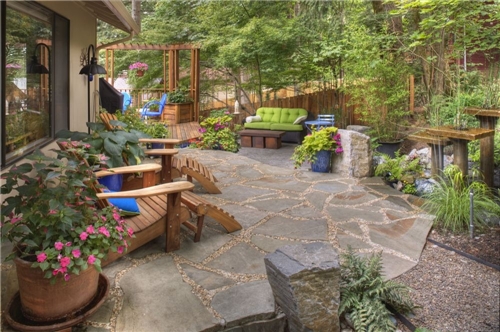
    Flagstone offers natural color variation and texture that blends beautifully with plants and garden features. Its irregular shapes create a relaxed, organic feel that pairs well with softscaped borders and comfy seating areas.

    3. Covered Patio Oasis

    A covered patio provides shade on hot summer days and shelter during light rain. Combining stone or stamped concrete flooring with a pergola, roof extension, or shade sail makes your patio usable year-round.

    4. Multi-Zone Outdoor Living

    Divide your patio into functional zones: a dining area for meals, a lounge section with cozy seating, and a space for a fire pit or fireplace. Raised planters or decorative screens can help define each zone without disrupting flow.

    Hardscape Features That Add Function & Style

    1. Fire Pits & Outdoor Fireplaces

    Fire features extend your use of the patio into cooler months, create a natural focal point, and provide warmth and ambiance when entertaining guests.

    2. Walkways That Connect & Guide

    Stone or paver walkways connect your patio to other outdoor spaces — gardens, vegetable beds, pool areas, or play zones — and add flow to your backyard design.

    3. Retaining Walls for Structure

    Retaining walls not only control soil erosion on sloped yards but also help define seating zones, garden beds, and patio perimeters. They can be constructed with textured stone, brick, or concrete block to complement your exterior aesthetic.

    4. Outdoor Kitchens & Dining Areas

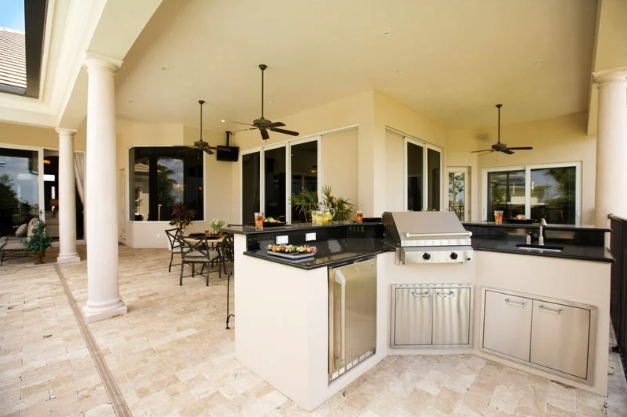
    An outdoor kitchen with a built-in grill, countertop, and prep space elevates outdoor living. Place seating nearby so your chef isn’t left out of the conversation!

    Design Tips to Elevate Your Hardscape

    Balance Hardscape With Softscape

    Blending patios and walkways with plantings makes your outdoor space feel more inviting. Groundcovers or low shrubs soften the edges of pavers, and native plants add seasonal color with minimal upkeep.

    Use Outdoor Lighting

    Good lighting not only extends usability into the night but also enhances safety. Pathway lights, string lights over the patio, and accent uplighting on trees or walls can transform the ambiance after sunset.

    Consider Flow & Function

    Think about how you will use each space. Entertainment areas benefit from wide walkways and open patio layouts. Quiet corners can be nestled with seating among plantings.

    Choose Durable Materials

    Atlanta’s hot summers and rainy seasons call for materials that withstand heat, moisture, and foot traffic. Natural stone, quality pavers, and concrete with proper drainage deliver long-lasting performance.

    Ideas to Consider for Atlanta Backyards

    Here’s how you might mix and match elements:

    • Rustic Retreat: Flagstone patio with a stone fireplace and gravel pathways winding through native plant beds

    • Modern Entertainer: Sleek pavers in geometric patterns, integrated fire pit seating, and a contemporary outdoor kitchen

    • Classic Southern Outdoor Room: Brick paver patio with pergola, cushioned seating, and ambient lighting for nightly gatherings

    • Family Hangout: Large stamped concrete patio with separate dining and lounge areas, plus built-in seating walls

    Creating an outdoor space that feels beautiful, functional, and built to last starts with smart patio and hardscape design. Whether you’re planning a major backyard renovation or enhancing a small patio area, thoughtful layouts and quality materials will help you enjoy the outdoors more — and add lasting value to your Atlanta home.

    Looking for help with this in Metro Atlanta (north of I-20)? See our hardscaping services or contact us to request an on-site estimate.
  • Seasonal Landscaping Calendar for Atlanta Homeowners

    Seasonal Landscaping Calendar for Atlanta Homeowners

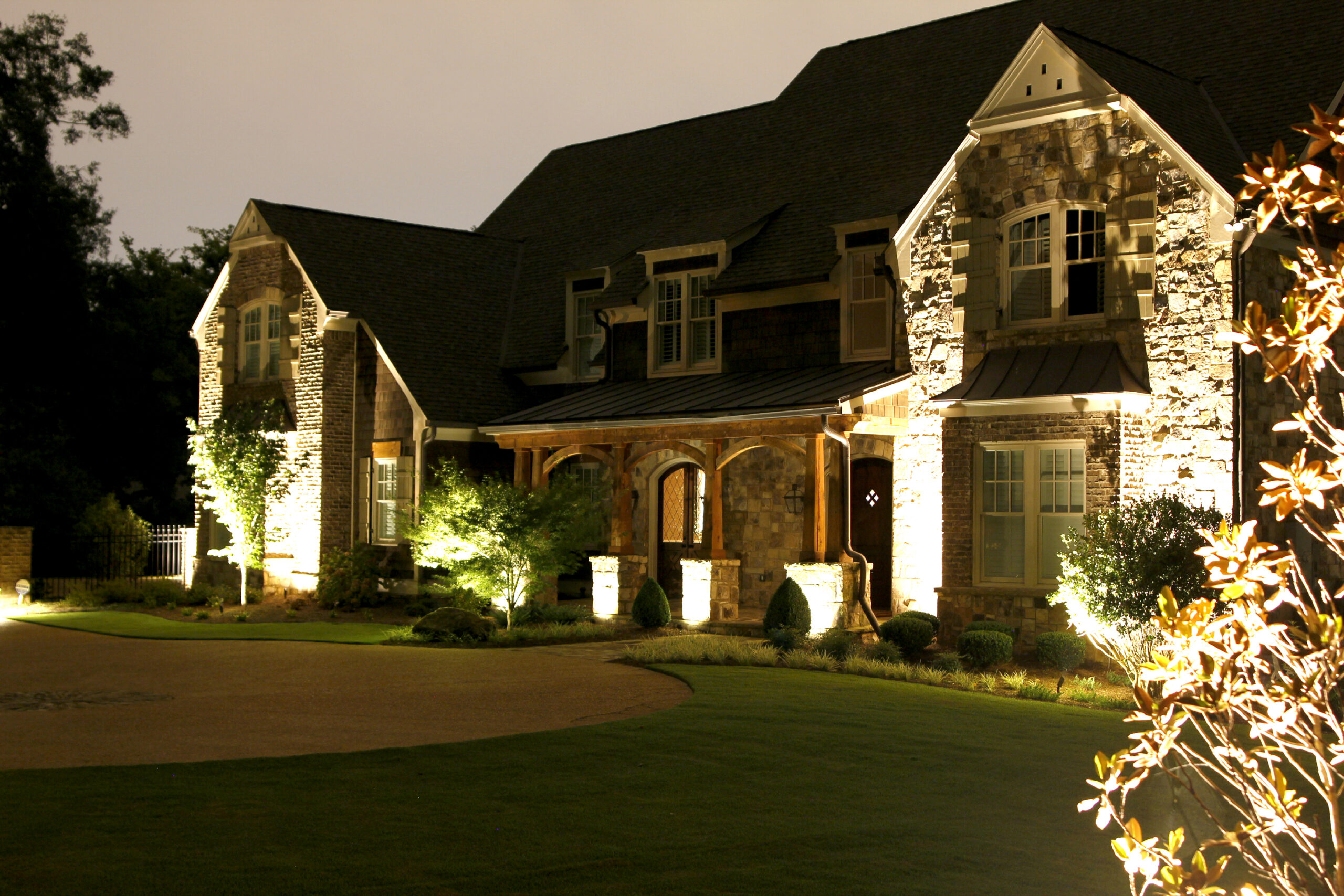
    Stone house with landscape lighting at dusk

    Atlanta’s warm summers, mild winters, heavy rainfall, and red clay soil make landscaping here very different from other parts of the country. Knowing what to do—and when to do it—can make the difference between a thriving landscape and an ongoing struggle.

    This seasonal landscaping calendar breaks down exactly how Atlanta homeowners can keep their lawns and landscapes healthy all year long.

    Spring (March – May): Growth & Preparation

    Spring is the most important season for setting your landscape up for success.

    Lawn Care

    • Begin mowing once grass starts actively growing

    • Apply pre-emergent weed control early to prevent crabgrass

    • Start fertilizing warm-season grasses like Bermuda and Zoysia

    • Aerate compacted soil if needed

    Landscaping Tasks

    • Clean up winter debris and fallen branches

    • Refresh mulch in flower beds (2–3 inches is ideal)

    • Prune summer-blooming shrubs

    • Plant new trees, shrubs, and flowers

    Why Spring Matters in Atlanta

    Georgia’s early warm-up means weeds and grass start growing sooner than expected. Missing early spring treatments can lead to weed problems all summer long.

    Summer (June – August): Maintenance & Protection

    Atlanta summers are hot, humid, and stressful for plants.

    Lawn Care

    • Mow regularly but avoid cutting grass too short

    • Water deeply and less frequently (early morning is best)

    • Spot-treat weeds rather than overusing chemicals

    • Monitor for heat stress and pests

    Landscaping Tasks

    • Keep mulch fresh to retain moisture

    • Trim shrubs lightly (avoid heavy pruning)

    • Inspect drainage areas after heavy rains

    • Adjust irrigation systems for summer heat

    Common Summer Mistake

    Overwatering. Too much water combined with heat can cause fungal diseases and root problems, especially in clay-heavy soil.

    Fall (September – November): Recovery & Prep

    Fall is the best season for strengthening your lawn and landscape.

    Lawn Care

    • Aerate and overseed (especially fescue lawns)

    • Apply fall fertilizer to strengthen roots

    • Continue mowing until growth slows

    • Control broadleaf weeds

    Landscaping Tasks

    • Remove fallen leaves regularly

    • Prune trees and shrubs as needed

    • Plant trees and shrubs (fall is ideal in Georgia)

    • Prepare drainage systems for winter rain

    Why Fall Is Crucial

    Cooler temperatures and consistent rainfall allow plants to establish strong roots before winter, leading to better growth the following spring.

    Winter (December – February): Protection & Planning

    While winters are mild in Atlanta, landscaping shouldn’t be ignored.

    Lawn Care

    • Limit foot traffic on dormant lawns

    • Avoid fertilizing warm-season grasses

    • Monitor drainage during winter rains

    Landscaping Tasks

    • Prune dormant trees and shrubs

    • Protect sensitive plants from frost

    • Inspect hardscapes for damage

    • Plan upgrades and spring projects

    Pro Tip

    Winter is the perfect time to schedule landscape design consultations so your projects are ready to go when spring arrives.

    Year-Round Landscaping Tips for Atlanta

    • Watch drainage closely—heavy rain can cause erosion quickly

    • Use native plants to reduce maintenance and water usage

    • Keep soil health a priority due to Georgia’s red clay

    • Schedule professional maintenance for consistent results

    Trust Atlanta Professional Landscaping Year-Round

    A well-maintained landscape doesn’t happen by accident—it requires timing, knowledge, and consistency. At Atlanta Professional Landscaping, we understand exactly how Atlanta’s seasons impact your lawn and outdoor spaces.

    Contact Atlanta Professional Landscaping today to create a year-round maintenance plan that keeps your property looking its best in every season.

    Looking for help with this in Metro Atlanta (north of I-20)? See our lawn and landscape maintenance services or contact us to request an on-site estimate.

  • Creating the Perfect Outdoor Kitchen: Design and Installation Tips

    Creating the Perfect Outdoor Kitchen: Design and Installation Tips

    An outdoor kitchen is not just a cooking space; it’s an extension of your home that allows you to enjoy the outdoors in comfort and style. With the right design and installation, your outdoor kitchen can enhance your entertaining, improve your backyard’s functionality, and increase your property’s value.

    Outdoor kitchen with grill under a covered patio

    At Atlanta Professional Landscaping, we specialize in creating stunning outdoor environments, and we are here to help you unlock ideas for your perfect outdoor kitchen blended with both practicality and beauty.

    Establish Your Budget

    Before diving into design specifics, it’s essential to set a realistic budget. Consider the following elements that will contribute to your overall costs:

    • Appliances (grills, refrigerators, sinks)

    • Countertop materials

    • Cabinetry and storage solutions

    • Lighting and plumbing

    • Labor costs for installation

    Having a clear budget in mind will guide your choices and ensure that you stay on track financially throughout the project.

    Choose the Right Location

    The location of your outdoor kitchen is crucial for both aesthetics and functionality. Keep these tips in mind when choosing the spot:

    • Proximity to your indoor kitchen for convenience

    • Consideration of sun and shade, especially in the hot Atlanta weather

    • View aspects that enhance your backyard’s appeal

    • Sufficient space for movement, ensuring easy access to the cooking and dining areas

    Design the Layout

    Once you have a location, the next step is to plan the layout. Consider your cooking habits and how you wish to entertain guests. Here are some common layout ideas:

    • L-Shaped Layout: Ideal for maximizing space while allowing separate cooking and dining areas.

    • U-Shaped Layout: Offers ample counter space and storage, perfect for larger gatherings.

    • Island Layout: A central island can act as both prep space and serving area, enhancing social interactions.

    At Atlanta Professional Landscaping, we understand how essential layout is to the functionality of your outdoor kitchen, ensuring that it supports seamless movement and interactions during gatherings.

    Select Quality Materials

    The materials you choose can affect the aesthetic appeal and durability of your outdoor kitchen. Here are some top material options:

    • Stone and Brick: Durable options that provide a natural look and withstand outdoor elements.

    • Stainless Steel: A great choice for appliances due to its resistance to rust and corrosion.

    • Granite or Quartz Countertops: Both options offer high durability and an appealing finish, easy to maintain and clean.

    Functional Elements to Include

    A well-designed outdoor kitchen should cater to all aspects of cooking and entertaining. Here are some essential features to consider:

    • Grill and/or Cooktop: The centerpiece of your outdoor kitchen that should be high-quality and suited for frequent use.

    • Sink: Essential for food prep and cleaning up, choose a durable, easy-to-maintain option.

    • Refrigeration: A small outdoor fridge can keep drinks and ingredients cold and accessible.

    • Storage Cabinets: Built-in cabinets can help keep utensils and cookware organized while complementing the design.

    • Seating Area: Consider allowing for a bar with stools for guests to sit and socialize while you cook.

    Add Personal Touches

    Decoration and personal elements can turn a functional kitchen into a beautiful gathering space. Consider these options:

    • Outdoor Lighting: Incorporating stylish lighting enhances the ambiance for night-time use.

    • Decor: Personalize your space with decor that reflects your style—think art, planters, or outdoor rugs.

    • Fireplace or Fire Pit: Adding a feature like this can create a cozy atmosphere for evening entertainment.

    Creating the perfect outdoor kitchen is a dream for many homeowners, and with the right planning and execution, it can be within your reach. At Atlanta Professional Landscaping, we are dedicated to helping you bring your vision to life. Our team of experts is ready to assist you in ensuring that your outdoor kitchen meets your lifestyle and enhances your property. Contact us today to start designing your outdoor oasis!

    Looking for help with this in Metro Atlanta (north of I-20)? See our outdoor kitchen services or contact us to request an on-site estimate.

  • Hardscape vs. Softscape: Finding the Right Balance in Your Atlanta Landscape

    Hardscape vs. Softscape: Finding the Right Balance in Your Atlanta Landscape

    When designing an outdoor space, it’s easy to get caught up in choosing plants, colors, and textures—but a truly beautiful landscape requires more than greenery alone. The secret to an inviting, long-lasting yard lies in striking the perfect balance between hardscape and softscape elements.

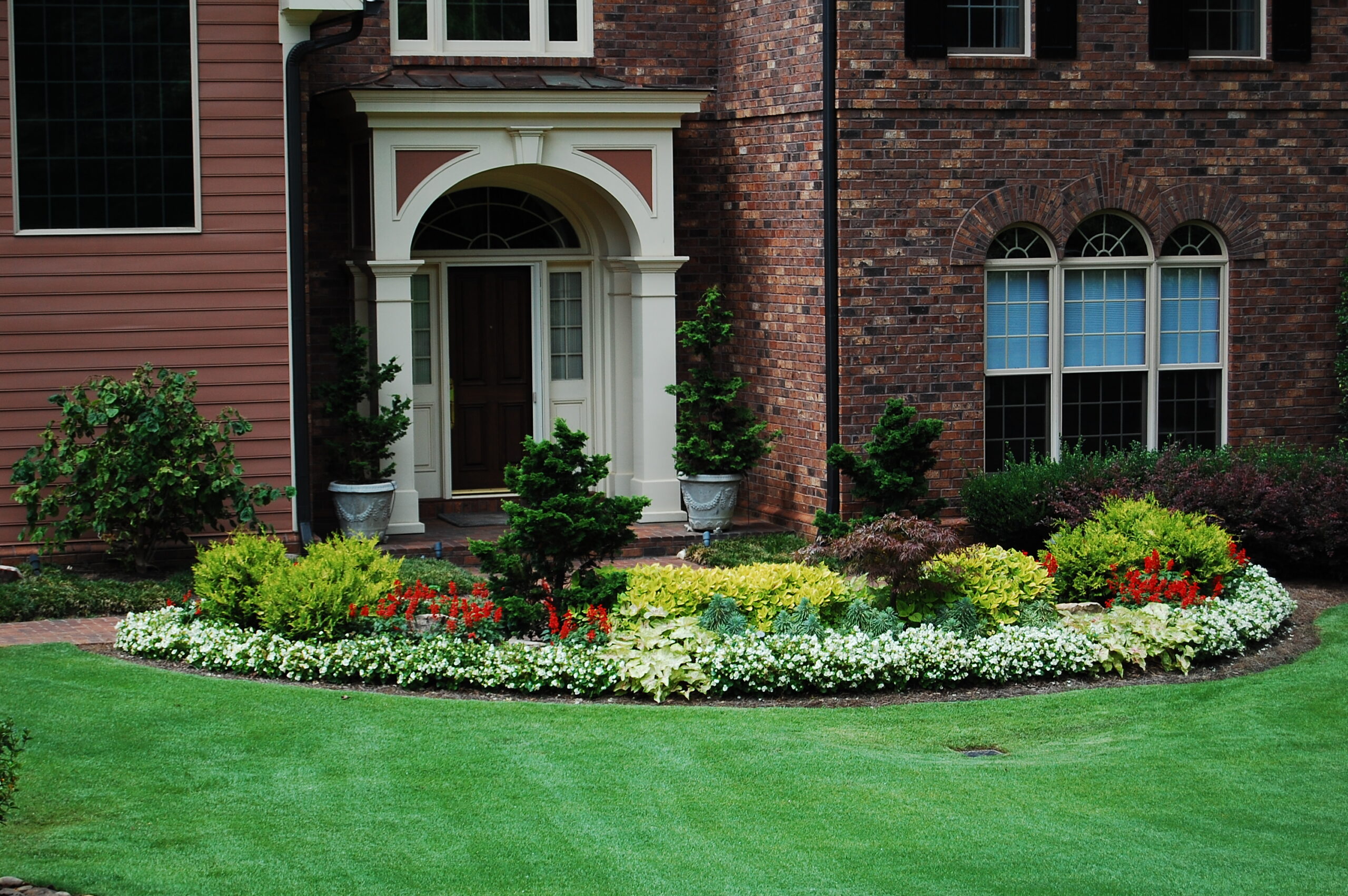
    Front-yard flower bed and shrubs in front of a brick house

    At Atlanta Professional Landscaping, we help homeowners throughout the Atlanta metro area design functional, visually appealing landscapes that flow naturally between built and living features. Here’s how to understand and balance these two essential components of your yard.

    What Is Softscape?

    Softscape refers to all the living, growing elements in your landscape. These are the features that bring life, color, and seasonal variety to your yard.

    Examples include:

    • Grass, ground cover, and turf areas

    • Trees, shrubs, and hedges

    • Flowers, perennials, and ornamental plants

    • Gardens, mulch, and soil beds

    Softscaping is what keeps your landscape vibrant and changing through the seasons. In Atlanta’s humid subtropical climate, it’s especially important to choose plants that can handle heat, humidity, and occasional drought, such as:

    • Azaleas

    • Boxwoods

    • Hydrangeas

    • Lantana

    • Crape myrtles

    What Is Hardscape?

    Hardscape includes the non-living, structural features of your landscape—the elements that give form, shape, and functionality to your outdoor space.

    Examples include:

    • Patios, decks, and outdoor kitchens

    • Walkways, driveways, and pathways

    • Retaining walls and stone borders

    • Fire pits, pergolas, and seating areas

    • Water features, fountains, and pavers

    In the Atlanta area, where sloped yards and heavy rain can cause erosion, hardscaping is not just decorative—it’s practical. Properly designed retaining walls, for example, help prevent soil runoff and stabilize your property.

    Why Balance Matters

    Too much softscape can make your yard feel wild or overgrown, while too much hardscape can make it look harsh and unwelcoming. A well-balanced design blends both to create a cohesive, easy-to-maintain outdoor living space.

    Benefits of a Balanced Landscape

    • Visual harmony: Contrast between natural textures (plants) and built elements (stone, wood, metal).

    • Functionality: Walkways and patios create usable zones, while plantings soften edges.

    • Sustainability: Proper balance can improve drainage and reduce maintenance.

    • Property value: Balanced landscaping adds curb appeal and resale value to your home.

    How to Find the Right Mix

    Here are a few professional tips from Atlanta Professional Landscaping to help you achieve balance:

    1. Start with Structure

    Begin with your hardscape elements—the “bones” of your landscape. Define spaces for patios, walkways, and focal points before adding greenery.

    2. Complement, Don’t Compete

    Choose softscape colors and textures that enhance your hardscape materials. For example, warm-toned pavers pair beautifully with deep green plants and flowering shrubs.

    3. Think About Maintenance

    Balance beauty with practicality. Hardscape features require little maintenance, while plants need watering, pruning, and fertilization. Adjust the ratio based on how much upkeep you prefer.

    4. Plan for Atlanta’s Climate

    Select materials that withstand Georgia’s heat and humidity. Natural stone, concrete pavers, and weather-treated wood work well, while drought-tolerant native plants thrive year-round.

    5. Use Lighting to Tie It Together

    Landscape lighting can bridge the gap between hard and soft elements, highlighting pathways, garden beds, and architectural features after sunset.

    Transform Your Outdoor Space with Atlanta Professional Landscaping

    Whether you’re refreshing a backyard or starting a new landscape design, balancing hardscape and softscape is key to creating a yard that feels both beautiful and functional.

    At Atlanta Professional Landscaping, we specialize in designing outdoor spaces that blend form and function—from stunning patios and retaining walls to lush gardens and custom plantings.

    Contact us today for a design consultation and see how we can bring balance and beauty to your Atlanta home.

    Looking for help with this in Metro Atlanta (north of I-20)? See our hardscaping services or contact us to request an on-site estimate.
  • The Aesthetics of Stone: Choosing Hardscape Materials that Complement Your Landscape

    The Aesthetics of Stone: Choosing Hardscape Materials that Complement Your Landscape

    Understanding Hardscaping and Its Importance

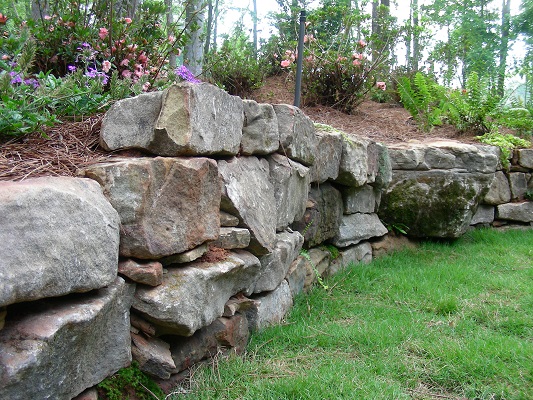
    Stacked boulder retaining wall above a lawn

    Hardscaping refers to the non-plant elements of landscaping, such as stones, bricks, and pavers. These materials create foundational elements in your outdoor space that not only enhance the aesthetics but also provide functional benefits. At Atlanta Professional Landscaping, we understand the significance of thoughtful hardscape design and material selection as they set the tone for your backyard and garden areas.

    Popular Hardscape Materials

    Choosing the right hardscape materials is crucial for achieving a cohesive design. Here are some popular options for homeowners:

    • Natural Stone: Timeless and resilient, natural stone provides an organic look and feel. Varieties like slate, granite, and limestone can enhance pathways and patio areas.

    • Pavers: Made from concrete or brick, pavers come in various shapes, sizes, and colors, allowing for creative designs. They’re perfect for driveways, walkways, and outdoor living spaces.

    • Bricks: Offering a classic charm, brick can be used for pathways, walls, and as edging for gardens. Its durability makes it suitable for high-traffic areas.

    Choosing the Right Hardscape Material

    When selecting hardscape materials, consider the following factors:

    • Style: Factor in the overall style of your home and landscape. Ensure that the chosen materials harmonize with existing features.

    • Durability: Evaluate the durability of materials based on expected use. For high-traffic areas, choose materials that withstand wear and limit maintenance needs.

    • Climate Considerations: Different materials may perform better in varying climates. In Atlanta, for instance, materials should withstand humidity, heavy rains, and temperature fluctuations.

    • Cost: Determine your budget early in the planning process. Costs can vary significantly between different materials and styles, so plan accordingly.

    Design Considerations

    After selecting materials, how you implement them plays a vital role in your landscape’s overall appearance and functionality. Here are some design considerations:

    • Balance: Create a balanced look by harmonizing hardscaping elements with softscaping (plants and greenery). This invites nature into structured settings.

    • Texture: Mixing materials can create visual interest—combine smooth pavers with rugged stones to create a dynamic outdoor space.

    • Pathways and Flow: Consider the flow of foot traffic in your outdoor space. Design pathways that are not only functional but also guide the eye through your landscape.

    Incorporating the right hardscape materials can transform your outdoor space while enhancing your property’s value. At Atlanta Professional Landscaping, we are committed to helping you choose and implement hardscaping materials that perfectly complement your landscape design. Our experienced team is ready to assist you in creating an outdoor oasis that reflects your style and meets your needs. Start your journey today towards a beautifully designed outdoor living space!

    Looking for help with this in Metro Atlanta (north of I-20)? See our hardscaping services or contact us to request an on-site estimate.
  • How to Choose the Right Plants for Atlanta’s Humid Climate

    How to Choose the Right Plants for Atlanta’s Humid Climate

    Located in the heart of Georgia, Atlanta boasts a humid subtropical climate characterized by hot summers, mild winters, and abundant rainfall. This unique climate poses challenges and opportunities for local gardening enthusiasts when it comes to plant selection. As a multi-functional outdoor space provider, Atlanta Professional Landscaping understands how to create beautiful, sustainable landscapes tailored to thrive in these conditions.

    Garden bed with river rock, boulders and flowering plants

    Choosing the Right Plants

    To create a lush, vibrant landscape in Atlanta, consider the following plant categories:

    1. Native Plants

    Native plants are those that naturally occur in the local environment. They are well-adapted to Atlanta’s climate and soil, making them an excellent choice for your landscape. Some notable native plants for Atlanta include:

    • Southern Wax Myrtle

    • Eastern Redbud

    • Rudbeckia (Black-eyed Susan)

    • Coneflower (Echinacea)

    These plants not only survive but thrive with minimal maintenance, promoting biodiversity and reducing the need for chemical fertilizers and pesticides.

    2. Drought-Resistant Options

    Despite Atlanta’s humid summers, there are still periods of drought, making drought-resistant plants a practical choice. Here are some excellent drought-tolerant plants for your garden:

    • Lavender

    • Sedum

    • Agave

    • Yarrow

    These plants require less water, making them ideal for Atlanta homeowners looking to conserve water while maintaining a picturesque yard. Incorporating drought-resistant plants can also enhance your landscape design by adding variety and texture.

    3. Optimal Plant Placement

    When selecting plants for your landscape, consider the following placement tips to maximize growth and aesthetic appeal:

    • Sunlight Exposure: Assess how much sunlight different areas of your yard receive. Group sun-loving plants in bright zones and shade-loving varieties in darker areas.

    • Soil Quality: Test the soil quality and pH to determine which plants will thrive in specific areas.

    • Water Drainage: Consider the drainage characteristics of your yard. Avoid placing plants in low spots where water may collect, as this can lead to root rot.

    • Visual Harmony: Create layers of height and color by planting taller plants at the back of flower beds and shorter ones at the front.

    By considering these factors, you can achieve a well-structured landscape that thrives under Atlanta’s climate conditions.

    Choosing the right plants for Atlanta’s humid climate can transform your yard from ordinary to extraordinary. By focusing on native species and drought-tolerant varieties, and by paying close attention to plant placement, you can cultivate an appealing landscape that endures through all seasons.

    For expert guidance and landscaping services tailored to your needs, trust Atlanta Professional Landscaping to help you create an outdoor oasis that reflects your style and stands the test of time.

    Looking for help with this in Metro Atlanta (north of I-20)? See our landscape design and installation services or contact us to request an on-site estimate.
  • Backyard Makeovers: Before & After Tips from the Pros

    Backyard Makeovers: Before & After Tips from the Pros

    Is your backyard underwhelming or outdated? You’re not alone — many Atlanta homeowners dream of transforming their outdoor spaces into beautiful, functional retreats. Whether it’s for entertaining, relaxing, or simply boosting curb appeal, a professional landscape makeover can completely redefine the way you enjoy your property.

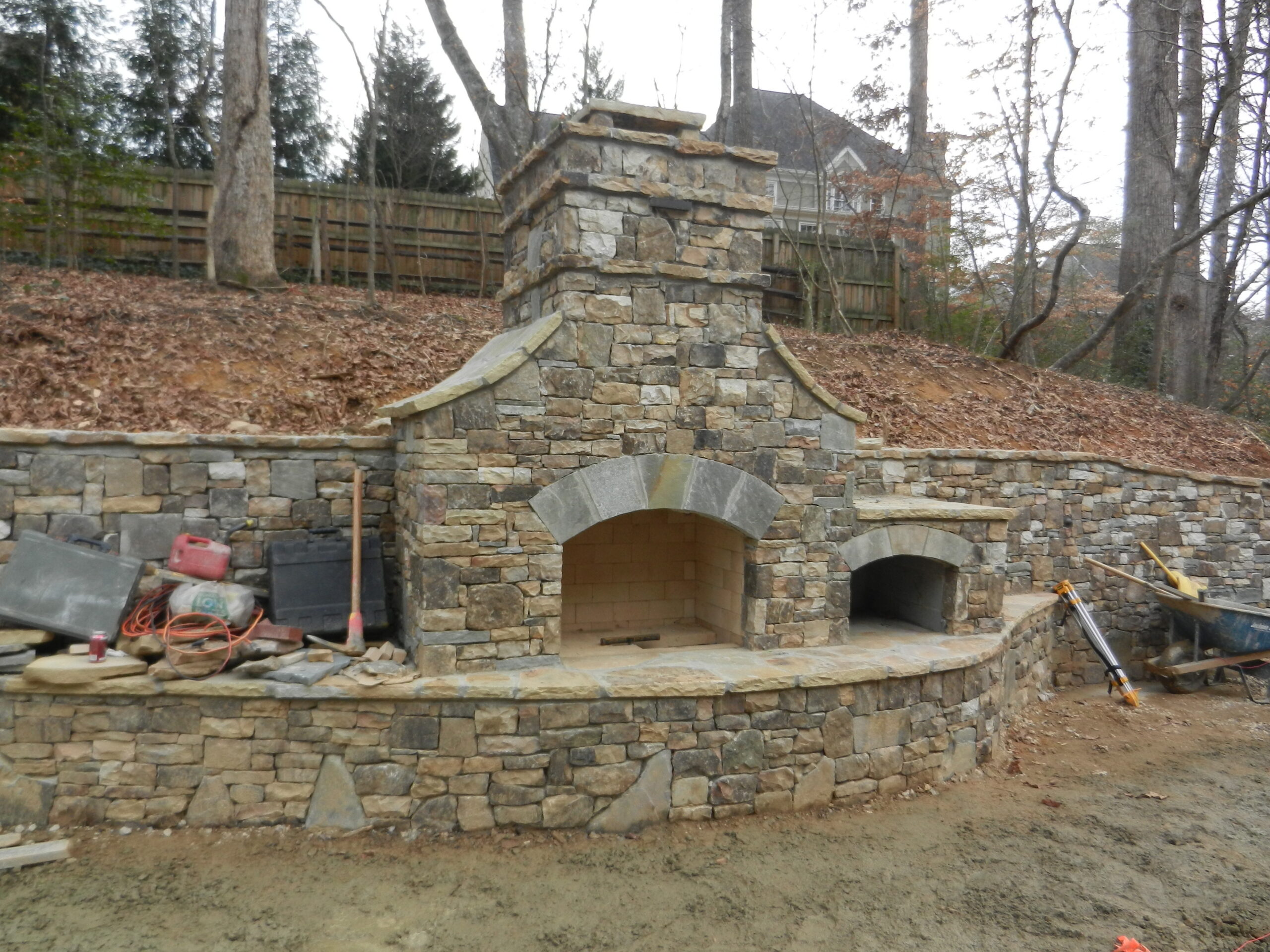
    Stone outdoor fireplace under construction in a backyard

    At Atlanta Professional Landscaping, we specialize in creating outdoor spaces that are as practical as they are stunning. In this post, we’ll share expert-backed tips for transforming your backyard, along with insights into the “before and after” process that makes it all happen.

    Before: Common Backyard Challenges We See

    When clients come to us, they’re often dealing with issues like:

    • Patchy grass or drainage problems

    • Overgrown shrubs and trees

    • Awkward layouts that don’t invite use

    • Lack of outdoor lighting

    • No defined space for entertaining or relaxing

    • Outdated patios or cracked walkways

    • No shade or privacy

    Every backyard has potential — it just takes the right plan and design approach to bring it to life.

    After: What a Thoughtful Landscape Design Can Do

    Once we’ve addressed layout, flow, and function, the transformation can be remarkable. A well-executed landscape makeover can deliver:

    ✅ A lush, green lawn that’s easy to maintain

    ✅ Thoughtfully placed plants suited to Atlanta’s climate

    ✅ Outdoor living areas like patios, fire pits, and kitchens

    ✅ Lighting that enhances safety and ambiance

    ✅ Water features for beauty and tranquility

    ✅ Custom hardscaping that elevates your space

    ✅ Defined zones for dining, lounging, or gardening

    Bonus: Great landscaping doesn’t just look good — it can also increase your home’s value and make it more enjoyable year-round.

    Pro Tips for a Successful Backyard Makeover

    Start with a Plan

    Before any soil is turned, we begin with a detailed site analysis and 3D design (if desired). This allows you to visualize your new space before installation begins — and ensures no detail is overlooked.

    Prioritize Function First

    Think about how you want to use the space. Do you host parties? Need a place for the kids to play? Want a peaceful garden nook? Your lifestyle should guide the layout.

    Choose Native & Low-Maintenance Plants

    Plants that thrive in Georgia’s climate need less water and care, making your investment more sustainable. We can help you select options that are both beautiful and practical.

    Invest in Hardscaping

    Patios, walkways, retaining walls, and edging are the backbone of a great design. They create structure and make softscaping stand out even more.

    Don’t Forget the Lighting

    Landscape lighting transforms your backyard at night. It adds safety, sets a mood, and extends how long you can enjoy your space.

    Real Client Transformations: What’s Possible?

    We’ve helped homeowners across the Atlanta metro area turn average yards into outdoor oases. Here’s a typical example:

    Before: A sloped yard with drainage problems, dead patches, and no patio.After: A tiered landscape with proper grading, a stone paver patio, custom retaining wall, and native plantings — plus accent lighting and an automatic irrigation system.

    The result? A beautiful, low-maintenance backyard that’s both inviting and functional.

    Why Work With Atlanta Professional Landscaping?

    We bring decades of experience, award-winning designs, and a commitment to excellence. Our process is simple:

    1. Consultation and property walkthrough

    2. Custom design proposal and estimate

    3. Expert installation by licensed professionals

    4. Final walkthrough to ensure satisfaction

    We handle everything — so you can enjoy your space without the stress.

    Let’s Bring Your Backyard to Life

    Ready to see your own “before and after” story? Whether you’re starting from scratch or just want to upgrade an existing space, Atlanta Professional Landscaping is here to help.

    Contact us today to schedule a consultation — and take the first step toward a backyard you’ll love for years to come.

    Looking for help with this in Metro Atlanta (north of I-20)? See our landscape design and installation services or contact us to request an on-site estimate.
We use cookies to run this site and, with your OK, to understand how visitors use it. See our Privacy Policy.